Does Detailing Spray Cause Swirls: Safe Car Care Tips
Detailing spray is not meant to cause swirl marks. Used on a clean surface with a clean microfiber towel, it can help remove light dust, fingerprints, and fresh water spots while adding a short-term shine. The trouble starts when the spray is used to wipe away grit, road film, or heavy dirt. In that case, the towel can drag hard particles across the paint like sandpaper.
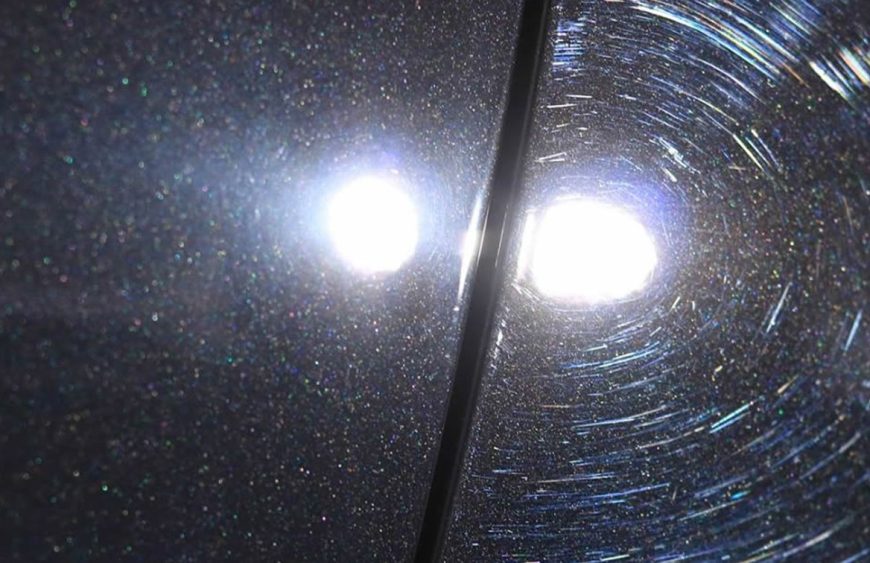
Swirls are fine, circular-looking scratches that show most clearly in direct sun or under a bright garage light. They are often caused by poor washing and drying habits, not by the detailing spray itself. A low-quality towel, too little product, or too much pressure can turn a safe maintenance step into a paint-correction problem.
This guide explains when detailing spray is safe, how it compares with waterless and rinseless washes, which products suit sedans, SUVs, trucks, hybrids, and EVs, and how beginners, DIY detailers, and gift buyers can avoid paint damage.

Quick answer: Can detailing spray cause swirls?
Detailing spray can cause swirls when it is used on dirty paint, with a contaminated towel, or with heavy pressure. On lightly dusty or already clean paint, a quality spray used with several clean microfiber towels is unlikely to create new swirls. For heavy dirt, use a proper wash instead of trying to make detailing spray do too much.
The main risk is not the liquid alone. The risk is friction between the towel, the product, the paint, and any grit on the surface. More spray can reduce drag, but it cannot make a dirty towel safe.
For a beginner or teen driver, the safest rule is simple: use detailing spray only for light cleanup. An experienced DIY detailer may use it for quick touch-ups, clay-bar lubrication, or final inspection. A gift buyer should choose a kit with clean, high-pile microfiber towels rather than a spray bottle alone.
Understanding paint, swirls, and detailing spray
Modern vehicle paint has a clear coat on top. This clear layer protects the color coat and creates gloss. It is tough, but it is not scratch-proof. Sand, brake dust, road salt, and dried mud can all mark it when rubbed.
What swirl marks really are
Swirl marks are many small, shallow scratches in the clear coat. They often look like circles because the paint was wiped in curved or repeated motions. In reality, the scratches may run in many directions and only appear circular when light reflects from them.
A rotary buffer can create visible swirls when used by an untrained operator. A dirty wash mitt, a rough towel, an automatic brush wash, or a dry wipe can also create them. Detailing spray is often blamed because it is used during quick wipe-downs, when the paint may still hold dust.
What detailing spray does
Detailing spray is a light-cleaning and gloss product. It usually contains water, lubricants, gloss agents, and sometimes wax or polymer protection. The formula helps a towel glide over the surface and can lift very light dust or fingerprints.
It is not a full car wash. It does not replace soap, water, a wash mitt, or a pressure washer when the vehicle has bonded grime. Some sprays are made for paint only, while others are safe for glass, trim, wheels, or interior surfaces. Read the label before using one across the whole vehicle.
Dust is not all the same
A thin layer of pollen may come off with little risk. Fresh fingerprints are usually easy to remove. Fine garage dust may also be manageable if the paint is cool and the towel is clean.
Road dust is different. It can contain tiny bits of sand, metal, tire wear, and brake material. A truck that drove through mud, an SUV covered in winter salt, or a car with visible grit should be washed, not simply wiped.
The following guide shows the proper product choice for common surface conditions.
| Surface condition | Safer product choice | Why it matters |
|---|---|---|
| Fingerprints or light dust | Detailing spray and plush microfiber | Low dirt load and low wipe pressure |
| Light dust after a short drive | Detailing spray, if the paint feels smooth | Works only when grit is minimal |
| Moderate road film | Rinseless wash or regular wash | More cleaning solution and safer removal |
| Mud, salt, sand, or heavy grime | Full wash with pre-rinse | Wiping can drag abrasive particles |
| Bird droppings | Detailing spray or dedicated spot cleaner | Soak first; never scrub dry waste |
| Tree sap or tar | Proper remover and gentle towel | Detailing spray may not dissolve it |
The key takeaway is that detailing spray suits clean or nearly clean vehicles. It is a poor match for a visibly dirty truck, an SUV after a muddy trip, or any car with sand on the paint.
How detailing spray can lead to swirl marks
Detailing spray causes problems when the cleaning method creates more friction than lubrication. The product may be fine, but the process can still scratch the clear coat.
Wiping heavy dirt
The most common mistake is using spray detailer as a shortcut after a dirty drive. A towel may pick up some dirt, but it can also push the rest across the panel. One pass can place grit in the towel. The next pass can spread that grit over the hood, doors, and roof.
This is why a clean-looking panel can still develop faint marks. The damage may not show until the car is under sunlight or a bright LED work light.
Using one towel for the whole car
A single towel can become dirty within minutes. If you use it on the lower doors, wheels, or rocker panels and then wipe the hood, you can move hard debris to the most visible paint.
Use several towels. Fold each one into quarters, then switch to a clean side after each small section. When all sides are used, place the towel in a wash bucket or laundry bag. Do not put a dirty towel back into your clean towel stack.
Applying too much pressure
Pressure increases contact between dirt and paint. It also flattens the towel pile, which reduces the towel’s ability to trap particles away from the surface.
Let the spray and towel do the work. Light hand pressure is enough for fingerprints and fine dust. If a mark does not lift easily, stop and wash the area instead of rubbing harder.
Using a low-quality or contaminated towel
A microfiber towel has split fibers that can hold dirt away from the paint. Not all microfiber towels have the same design, pile, edge, or quality. A thin utility towel may be fine for door jambs or glass but too harsh for delicate gloss paint.
Towels can also become contaminated by fabric softener, dryer sheets, sand, pet hair, or dropped grit. Wash them separately with a mild detergent. Avoid fabric softener because it can coat the fibers and reduce absorbency.
Wiping in circles
Circular wiping does not automatically cause swirls. The real issue is the dirt and pressure behind the motion. Still, straight, short strokes make it easier to track where the towel has been and reduce repeated passes over one spot.
Professional detailers often use a gentle crosshatch pattern. They wipe left to right, then up and down, with very little pressure. This helps reveal whether a section is clean without aggressive scrubbing.
Working on hot paint
Heat causes detailing spray to flash or dry too quickly. The product may leave streaks, and the user may press harder to remove them. Hot panels can also make some wax or polymer products harder to spread.
Park in shade when possible. Work on a cool panel. If the spray dries before you buff it, add a small amount of fresh product rather than rubbing the dry residue.
Letting bird droppings dry
Bird waste may contain grit and acidic material. A dry wipe can scratch the clear coat and spread the mess. Saturate the spot, let the product soften it, and lift it with a clean towel.
Never grind dried waste into the paint. If the area is large or stuck, wash it with plenty of water and shampoo.
The safest products by vehicle and finish
The best detailing spray depends on the vehicle’s surface, dirt level, climate, and your skill. A glossy black sedan shows swirls more easily than a silver SUV. A daily-driven truck needs a stronger wash routine than a garage-kept weekend car.
For beginners and new drivers
A beginner should choose a mild spray detailer, a clear label, and several plush microfiber towels. A product that explains its safe surfaces and use limits is easier to use than a highly concentrated professional formula.
This setup suits a clean sedan, small SUV, or commuter car with light dust. It does not suit a vehicle with mud, winter salt, or heavy road film. New drivers should learn to inspect the paint before wiping rather than relying on the bottle’s marketing.
For experienced DIY detailers
An experienced detailer may keep several products on hand. A spray detailer works for light dust and final touch-ups. A rinseless wash works for more dirt. A clay lubricant supports decontamination, while a paint-safe iron remover handles some embedded brake dust.
A detailer may also use a spray sealant, car wax, or ceramic coating topper. These products can add gloss and water behavior, but they do not make paint immune to swirls. Ceramic coating still needs careful washing and drying.
For trucks and off-road SUVs
Trucks and SUVs often collect more dirt on their lower panels, tailgates, wheel arches, and bumpers. These areas should be washed with water before any wipe-down. A detailing spray is better reserved for the glass, clean upper panels, or a final touch-up after a proper wash.
Matte paint and satin wraps require special care. Many standard gloss products can change the appearance or leave uneven patches. Use a product approved for that finish.
For hybrids and EVs
Detailing spray is generally used on the exterior paint of EVs and hybrids just as it is on other vehicles. The high-voltage system does not make normal exterior paint care unsafe. However, avoid spraying into charging ports, electrical connectors, door seals, or open body gaps.
For an EV with a glass roof, check whether the product is safe for glass. Keep spray away from brake components and tire tread. Regenerative braking may reduce brake dust, but tires and road grit still create contamination.
| Vehicle or finish | Suitable detailing spray use | What to avoid |
|---|---|---|
| Gloss paint | Light dust and fingerprints | Wiping heavy grit |
| Black paint | Small sections with plush towels | Dry buffing and towel reuse |
| Matte or satin paint | Product made for matte finishes | Gloss enhancers and wax without approval |
| Ceramic-coated paint | Coating-safe maintenance spray | Harsh cleaners or abrasive towels |
| Vinyl wrap | Wrap-safe product | Solvents and high heat |
| EV or hybrid | Exterior paint and approved glass | Charging port and electrical openings |
The main lesson is to match the product to the finish. If you are unsure about a wrapped, matte, or coated vehicle, test an unseen area first and check the manufacturer’s care guide.
For gift buyers and parents
A useful car-care gift should reduce mistakes. A small kit with one spray, four to eight quality towels, a wash bag, and basic instructions is more helpful than a large collection of products.
This type of gift suits a teen driver, a first-car owner, or a parent who wants simple upkeep. It should not encourage wiping a visibly dirty car. Add a wash bucket, pH-balanced car shampoo, and a soft wash mitt if the budget allows.
👪 Parent or Gift-Buyer Note: Choose a kit that teaches safe use. A product with many labels and no clear instructions may confuse a new driver. A few good towels and a simple wash plan are worth more than a shelf full of sprays.
Detailing spray versus other cleaning methods
Detailing spray is one tool in a larger car-care system. The right choice depends on how dirty the vehicle is and where you are working.
| Cleaning method | Best use | Main limitation |
|---|---|---|
| Detailing spray | Fingerprints and light dust | Not for heavy dirt |
| Waterless wash | Light to moderate dirt with many towels | Needs careful technique |
| Rinseless wash | Home or apartment washing with limited water | Requires proper dilution |
| Traditional wash | Mud, salt, sand, and road film | Needs water and space |
| Clay lubricant | Claying after washing | Does not replace cleaning |
| Spray wax | Protection after cleaning | Cannot hide poor washing for long |
A detailing spray is the fastest option, but speed is not the same as safety. A rinseless wash usually offers more lubrication and cleaning ability. A traditional wash gives the best margin for error when the car is dirty.
Detailing spray versus waterless wash
A waterless wash product is designed to clean more than a quick-detail spray. It usually needs more product, more towels, and a strict panel-by-panel method. It can suit apartment residents or drivers without access to a hose.
Even so, waterless washing has limits. It should not be used on thick mud, loose sand, or heavy salt. Pre-rinsing or visiting a professional wash may be safer for the paint.
Detailing spray versus rinseless wash
A rinseless wash uses a small amount of water mixed with a concentrated solution. The solution adds cleaning agents and lubrication. It can be a strong choice for beginners who want a careful home wash without a pressure washer.
Use separate towels for upper and lower panels. Keep the solution clean. If the water becomes heavily dirty, mix a fresh batch. This method can suit sedans, crossovers, hybrids, and many EVs when used according to the product directions.
Detailing spray versus car wax or ceramic coating
Detailing spray may add gloss and short-term slickness. Car wax offers a more deliberate protective layer. A ceramic coating bonds more strongly and may last much longer, but it needs proper preparation and maintenance.
None of these products stops scratches caused by grit. Protection can make washing easier, but it does not replace good technique. A coated vehicle still needs clean towels, safe washing, and gentle drying.
How to use detailing spray without causing swirls
The best way to prevent swirl marks is to reduce dirt, pressure, and repeated wiping. Work slowly, use clean tools, and stop when the surface needs a real wash.
Tools and materials
You do not need a garage full of equipment. The following tools cover most light-cleaning jobs.
| Item | Suggested amount or feature | Purpose |
|---|---|---|
| Detailing spray | Finish-safe formula | Adds lubrication and lifts light dust |
| Plush microfiber towels | Four to eight for a car | Traps dirt and limits towel reuse |
| Short-pile towel | One or two | Removes residue and streaks |
| Wash bag | Separate microfiber laundry bag | Keeps towels clean during laundry |
| Mild detergent | Microfiber-safe | Removes product and dirt |
| Optional inspection light | Bright white LED | Shows streaks and swirl marks |
These are basic tools for beginners and low-cost DIY detailers. A pressure washer, foam cannon, or dual-action polisher is not required for light maintenance.
Step 1: Inspect the vehicle
Walk around the vehicle before spraying. Look for mud, sand, salt, dried bugs, heavy road film, and loose debris. If the surface looks dirty from several feet away, choose a wash instead.
Run a clean fingertip lightly over an unseen area only if the panel appears clean. A gritty feel means you should wash or decontaminate the vehicle, not wipe it dry.
Step 2: Move the vehicle into shade
The paint should be cool to the touch. Close the doors and windows. Remove watches, rings, or other items that might touch the surface.
Keep the spray bottle and towels clean. Do not set towels on the ground, tires, or a dirty engine bay.
Step 3: Fold the towel
Fold a plush microfiber towel into quarters. This creates multiple clean faces and adds cushion between your hand and the paint. Keep a second towel ready for final buffing.
Use one towel for the upper panels and another for lower panels. The rocker panels and rear bumper often hold the most grit.
Step 4: Spray the towel or a small panel
For very light dust, spray the towel first or apply a light mist to a small area. A large amount of product can create streaks and waste. Follow the label because formulas differ.
Do not spray near open windows, charging ports, brake parts, or sensitive electronics. Overspray can also make a garage floor slippery.
Step 5: Wipe with light, straight passes
Move the towel in short, straight lines. Use almost no pressure. Turn to a clean towel face as soon as the working face becomes dirty.
Do not keep rubbing a mark that does not lift. Add product once, then stop and change methods if the dirt remains.
Step 6: Buff with a second towel
Use a clean, dry towel to remove residue. Again, use light pressure and short passes. Inspect the panel from several angles before moving on.
If the surface streaks, the panel may be hot, the towel may be damp or contaminated, or too much product may have been used. Fix the cause instead of wiping faster.
Step 7: Clean the towels correctly
Shake loose dirt outdoors, then wash microfiber towels separately from clothing. Use a mild liquid detergent. Skip fabric softener and dryer sheets.
Dry on low heat or air-dry. Store clean towels in a sealed bin. A towel that touches a dirty garage shelf can carry grit back to the paint.
🔧 Quick Fix: If a towel falls on the ground, remove it from the job. Do not shake it and keep using it on paint. Save it for tires, exhaust tips, or other rough areas after laundering.
Common mistakes that create swirls
Most detailing spray damage comes from a small number of repeat errors. Fixing these habits can protect paint better than buying a more expensive bottle.
| Mistake | Likely result | Better approach |
|---|---|---|
| Wiping a muddy car | Deep micro-scratches | Rinse and wash first |
| Using one towel | Dirt spreads across panels | Use several clean towels |
| Pressing hard | More friction and marks | Use light pressure |
| Working in direct sun | Streaks and dry residue | Work in shade |
| Using a kitchen towel | Rough fibers or lint | Use paint-safe microfiber |
| Spraying too much | Smears and wasted product | Use a light mist |
| Scrubbing bugs | Localized scratches | Soak and lift gently |
| Washing towels with softener | Reduced cleaning ability | Use microfiber-safe detergent |
A new driver may make these mistakes because the car looks only “a little dusty.” An experienced DIY detailer may make them when trying to finish quickly. The fix is the same: match the cleaning method to the dirt level.
Treating detailing spray as a scratch remover
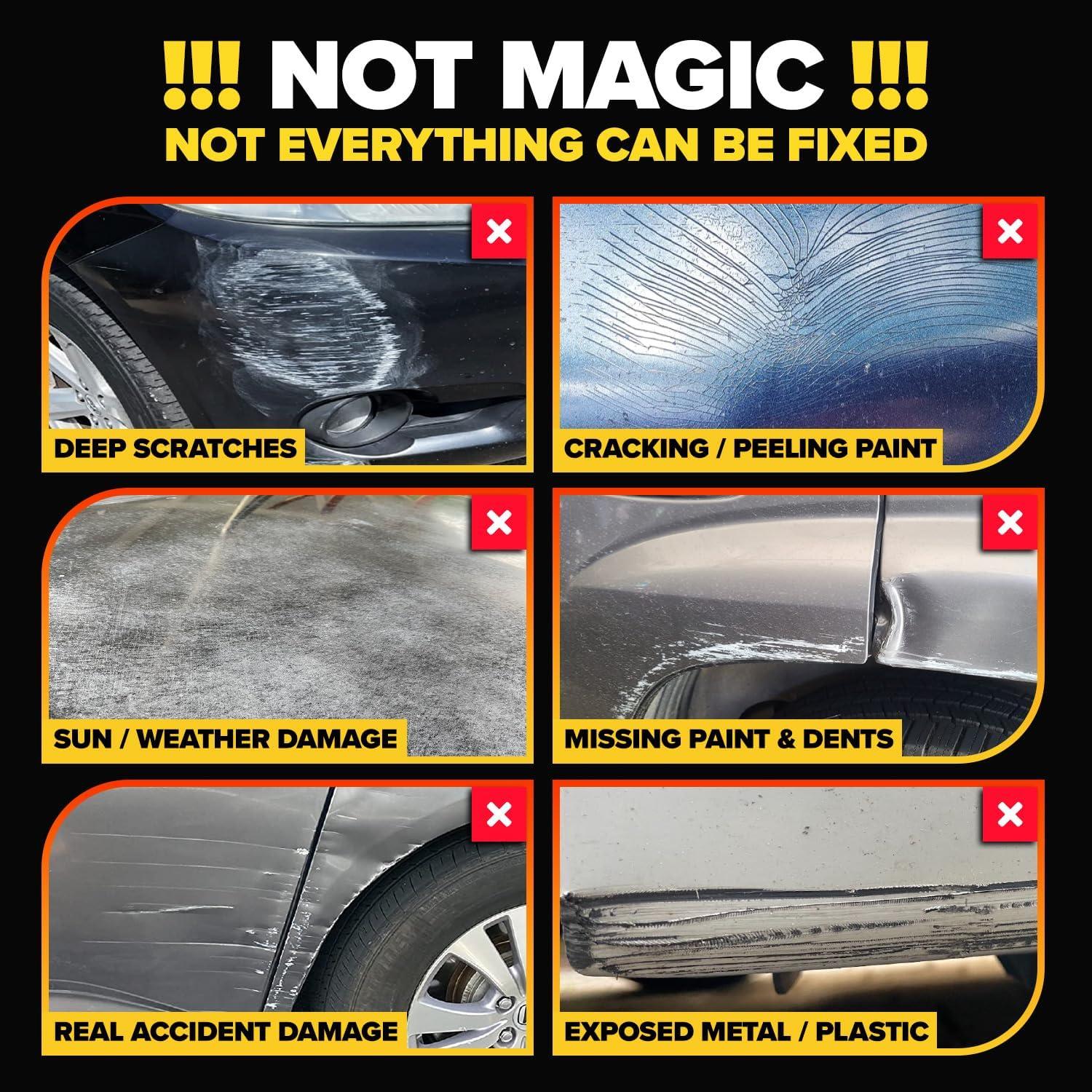
A spray detailer can hide fine marks for a short time if it contains gloss agents. It cannot repair clear-coat scratches. If a mark catches a fingernail, it may need paint correction or professional repair.
Do not use a rough compound or polish without learning how much clear coat it removes. A dual-action polisher is safer than a rotary tool for many beginners, but it can still damage paint when used with the wrong pad or product.
Reusing a towel after it touches the floor
A dropped towel can pick up grit that is hard to see. The towel may look clean but still contain sharp particles. Put it aside at once.
This small habit matters for black paint, soft clear coats, and high-end finishes. It also makes a good rule for teen drivers because it is simple to remember.
Spraying onto the whole vehicle
A full-car spray can dry before you reach the last panel. It may also run into trim and leave stains. Work in small areas, such as half a hood or one door.
Cleaning wheels and paint with the same towel
Wheels can contain metal particles from brake dust. Never use a wheel towel on painted panels. Mark wheel towels with a different color and store them apart.
Climate and seasonal advice
Weather changes how detailing spray behaves. Heat, cold, humidity, salt, and dust all affect the safe cleaning window.
Hot and dry climates
In hot weather, spray can dry fast and leave streaks. Work early in the morning or near sunset. Keep the bottle out of direct sun, and do not let product freeze or overheat if the label gives storage limits.
Dust may settle on the car soon after cleaning. If a fresh layer of dust appears, inspect it before wiping. Desert dust can contain abrasive sand, so a rinse is often safer than a dry touch-up.
Cold climates and winter salt
Winter salt and brine should be removed with a proper wash. Salt residue can sit in door seams, wheel wells, and underbody areas. Detailing spray is not a substitute for rinsing those locations.
A warm garage can help, but melting ice may carry grit across panels. Remove loose ice with care. Do not scrape painted areas with a hard ice scraper.
Rainy and humid areas
Humidity can slow drying and increase streaking. Use smaller sections and a dry finishing towel. Rain does not clean a car; it can leave behind minerals and road film.
Fresh rain spots may be easier to remove when they are still soft. Old water spots may need a mineral deposit remover, not stronger rubbing.
Pollen and spring dust
Pollen is light, but it can mix with moisture and form a sticky film. A gentle rinse or rinseless wash is safer once the layer becomes visible. Detailing spray works best for a few fingerprints or a small fresh deposit.
| Climate or season | Main paint-care risk | Safer response |
|---|---|---|
| Hot summer | Product dries quickly | Work in shade and small areas |
| Dry desert | Abrasive dust and sand | Rinse before wiping |
| Winter roads | Salt, brine, and grit | Wash and rinse wheel wells |
| Humid coast | Streaks and water spots | Use small sections and dry towels |
| Spring pollen | Sticky surface film | Rinse or use a rinseless wash |
| Freezing weather | Ice and frozen residue | Warm the surface; avoid scraping paint |
The practical rule is to clean less aggressively when conditions are harsh. If the weather adds grit or makes the product dry fast, use more water and more time.
How to tell if detailing spray caused swirls
It is hard to identify one cause by looking at paint alone. Swirls may have formed months earlier during a car wash, dealer prep, or careless drying job.
Inspect the vehicle under direct sunlight or a strong LED light. Wash the panel first because dust can look like scratches. Look for fine lines that radiate from the towel path or appear across many panels.
If the marks are only in one area, review what touched that area. A towel used on the lower door may have caused a local problem. If the entire vehicle has similar marks, the cause may be an automatic wash, poor dealer prep, or repeated improper washing.
A paint thickness gauge can help a professional assess correction options, but it does not show every scratch. Do not polish immediately just because you see swirls. Mild marks may respond to a careful professional polish, while deep marks may require more work or repainting.
💡 Pro Tip: Take paint photos in the same light before and after a new product. This helps you compare results without relying on memory. It also shows whether a product is hiding marks with gloss rather than correcting them.
Can detailing spray be used on wax, ceramic coating, or clear coat?
Most paint-safe detailing sprays are designed for clear-coated paint. Some are also made for waxed or ceramic-coated vehicles. The label should state whether the product is safe for coatings, wraps, matte finishes, trim, or glass.
A spray with gloss enhancers may change the feel or appearance of a matte finish. A product with wax may leave a different finish over a ceramic coating. Neither is automatically harmful, but compatibility matters.
For a ceramic-coated vehicle, use a maintenance spray recommended by the coating maker when possible. For a vinyl wrap, use a wrap-safe cleaner and avoid products with solvents unless the wrap maker approves them.
Test any new product in a hidden area. This is especially important for older paint, single-stage paint, repainted panels, matte surfaces, and custom finishes.
Price, value, and what to buy
Detailing spray is usually an affordable car-care item, but value depends on how often you use it and what it replaces. Current pricing ranges from budget bottles to larger professional sizes and concentrated products. Check the latest listing for updated features, dilution instructions, and included towels.
Budget option
A budget spray can suit a beginner who cleans a garage-kept sedan or small crossover. Look for a clear label, safe-use directions, and a formula that does not require heavy buffing.
The drawback is that low-cost kits may include thin towels. If the spray is good but the towel is poor, buy better microfiber separately.
Mid-range option
A mid-range kit may include better towels, a larger bottle, or a spray sealant. It can suit a family vehicle, daily commuter, or gift buyer who wants a complete starting setup.
The main risk is buying more product than you need. A large kit does not help if the user still wipes a dirty car with one towel.
Professional or concentrated option
A concentrated product may offer lower cost per use for an experienced DIY detailer. It can also require accurate dilution and dedicated bottles. This is less suitable for a new driver who wants simple instructions.
The product may be worth the money for someone who maintains several vehicles, such as a sedan, truck, and SUV. It is less useful for an owner who cleans the car only a few times each year.
| Price tier | Best for | What to check |
|---|---|---|
| Budget | Beginners and occasional users | Towel quality and clear directions |
| Mid-range | Daily drivers and gift buyers | Included tools and finish compatibility |
| Concentrate or professional | Experienced DIY users | Dilution ratio and storage needs |
The best value is the product that matches the cleaning job. Do not pay for ceramic additives, special gloss agents, or large bottles if a basic spray and clean towels meet your needs.
Swirl prevention beyond detailing spray
Paint care is a system. A safe spray cannot undo a harsh automatic wash, a dry winter wipe, or a dirty towel.
Use a two-bucket wash or a rinseless method when the car is dirty. A pressure washer can help remove loose grit before contact washing, but keep the nozzle at a safe distance and follow the vehicle and washer instructions. Do not aim high pressure at damaged trim, door seals, charging ports, or loose paint.
Dry with a clean drying towel or a filtered air blower. Avoid letting a chamois drag grit over the surface. If you use a spray wax, apply it only after the paint is clean.
Other car-care products, such as floor mats, seat covers, wiper blades, tire inflators, and tire pressure gauges, help maintain the vehicle, but they do not affect swirl marks directly. A roadside kit, jump starter, or OBD2 scanner can be useful for travel and maintenance, yet paint care still depends on washing technique.
A simple maintenance schedule
A regular plan prevents rushed cleaning. The schedule below works as a starting point, but climate, mileage, parking, and vehicle color may change the interval.
| Task | Suggested timing | Purpose |
|---|---|---|
| Inspect paint | Before every wipe-down | Confirms whether spray is suitable |
| Remove bird droppings | As soon as practical | Limits staining and dry scrubbing |
| Wash vehicle | When visible road film appears | Removes grit safely |
| Wash microfiber towels | After each paint-care session | Prevents contamination |
| Apply wax or sealant | Per product directions | Adds temporary protection |
| Professional paint inspection | When marks or defects grow | Prevents unnecessary polishing |
These are not fixed promises. A truck used on gravel roads may need washing after every trip. A covered garage car may need only light dust removal between full washes.
Safety and environmental notes
Exterior detailing is low risk, but chemicals and slippery surfaces still need care. Wear gloves if your skin reacts to cleaners. Keep products away from children, pets, food, and open flames.
Do not spray into your eyes or breathe a fine mist. Follow the product safety data and label. If a product spills, clean the floor promptly because overspray can create a slip hazard.
Dispose of empty bottles according to local rules. Do not pour detailing chemicals into storm drains, soil, or waterways. Wash microfiber towels in a way that limits chemical runoff, and use a commercial wash bay when local rules restrict driveway washing.
🌿 Eco or Disposal Note: A professional car wash often sends dirty water through a treatment system. If you wash at home, use biodegradable products where suitable, avoid storm drains, and follow city rules for runoff and chemical disposal.
Frequently asked questions
Q: Is detailing spray safe for black cars?
A: Yes, when the black paint is clean or nearly clean and you use clean, plush microfiber towels. Black paint shows swirls easily, so use small sections, light pressure, and a fresh towel face often. Do not wipe heavy road dirt with spray detailer.
Q: Can I use detailing spray on a dusty car?
A: You can use it on very light, loose dust if the surface has little or no grit. If the dust came from a road, gravel lot, construction area, or desert climate, rinse or wash first. When in doubt, choose the safer wash method.
Q: How many towels do I need?
A: Four to eight towels are a practical starting range for a sedan or small SUV. Use more for a truck, large SUV, or dirty vehicle. Keep separate towels for paint, wheels, glass, and interior surfaces.
Q: Does more detailing spray prevent swirls?
A: More product can add lubrication, but it cannot make heavy dirt safe to wipe. Too much spray may leave streaks and encourage extra buffing. Clean towels and the correct cleaning method matter more.
Q: Can a detailing spray remove light scratches?
A: It may hide very fine marks for a short time if it contains gloss agents, but it does not repair clear-coat scratches. True correction usually needs polish, controlled machine work, or a professional repair. Deep marks may need paintwork.
Q: Should I use detailing spray before car wax?
A: You can use it as a light cleaner before wax if the surface is already clean and the product leaves no incompatible residue. For stronger cleaning, wash and dry the vehicle first. Follow the wax maker’s preparation directions.
Q: Is a waterless wash safer than detailing spray?
A: A waterless wash is designed for more cleaning and lubrication, so it can be safer for light to moderate dirt when used correctly. It still has limits and needs many clean towels. Heavy mud, sand, and salt call for a rinse or full wash.
Q: Can I use it on a ceramic coating?
A: Many sprays are coating-safe, but not all. Check the label and the coating maker’s care instructions. Avoid products that change the finish of a matte coating or leave unwanted residue.
Q: Can detailing spray damage vinyl wraps?
A: A wrap-safe spray is usually the right choice, but standard products may not be suitable. Test a hidden spot and follow the wrap maker’s cleaning guide. Do not use harsh solvents unless approved.
Q: Does detailing spray cause swirls on an older car?
A: It can if the older paint is thin, oxidized, repainted, or already damaged and you wipe it while dirty. Older vehicles need a gentle inspection before any dry or low-water cleaning. A professional can assess fragile paint.
Q: Can I use a household towel instead of microfiber?
A: It is better not to. Household towels can have rough fibers, seams, lint, or trapped grit. Use a clean microfiber towel made for automotive paint.
Q: How long does detailing spray last?
A: The cleaning effect lasts until the next dirt exposure. Any wax or polymer protection may last longer, but the exact life depends on the formula, weather, washing, and storage. Check the product label rather than assuming a fixed period.
Q: Can I use detailing spray on glass?
A: Use it on glass only if the label allows it. Some paint products can leave haze or wiper chatter. A dedicated automotive glass cleaner is often the better choice for the windshield.
Q: Why does my car look streaky after using detailing spray?
A: Common causes include hot paint, too much product, a damp towel, a contaminated towel, or incomplete buffing. Move to shade, use a clean dry towel, and work a small section. Do not increase pressure.
Q: Is detailing spray worth the money?
A: It is worth it for quick care between washes, especially for a clean commuter car, garage-kept sedan, or light-duty SUV. It is not worth relying on as a full wash for a truck, off-road SUV, or winter-driven vehicle with heavy grime.
Final thoughts
Detailing spray does not normally cause swirls when used for its intended job. The danger appears when a driver wipes abrasive dirt with too little product, too much pressure, or a dirty towel. In simple terms, the bottle is rarely the whole problem; the surface and technique decide the result.
Beginners should use spray detailer only on light dust and fingerprints. DIY detailers can add waterless washes, rinseless washes, clay lubricant, wax, or coating-safe products as their needs grow. Gift buyers and parents should focus on clean microfiber towels, clear instructions, and a routine that teaches the driver when not to wipe.
When the paint is visibly dirty, wash it. When the towel falls, retire it from paint duty. When a new product is meant for a matte finish, wrap, or ceramic coating, confirm compatibility first. Those simple choices protect gloss better than chasing a miracle spray.
Affiliate disclosure: This article may contain affiliate links. If you buy through a link, we may earn a commission at no extra cost to you. Product availability, features, fitment, and current pricing can change, so check the latest product listing and manufacturer instructions before buying.