What Is Detail Spray: Uses, Benefits, And How To Apply
What is detail spray? In simple terms, detail spray is a light car-care product used to clean, shine, and protect a mostly clean vehicle between full washes. It is also called quick detailer, detailing spray, or mist-and-wipe spray. You spray a small amount onto a panel, then wipe it with a clean microfiber towel.
Detail spray is made for light dust, fingerprints, water spots, and fresh road film. It is not a replacement for a proper car wash when the vehicle has mud, sand, salt, grease, or gritty dirt. Using it on a dirty car can drag grit across the paint and cause fine scratches.
The right detail spray can save time for a daily driver, help a new car look neat, and make a useful gift for a teen driver. It can also help an experienced DIY detailer maintain wax, sealant, or ceramic coating. The key is choosing the right formula and using it on the right surface.
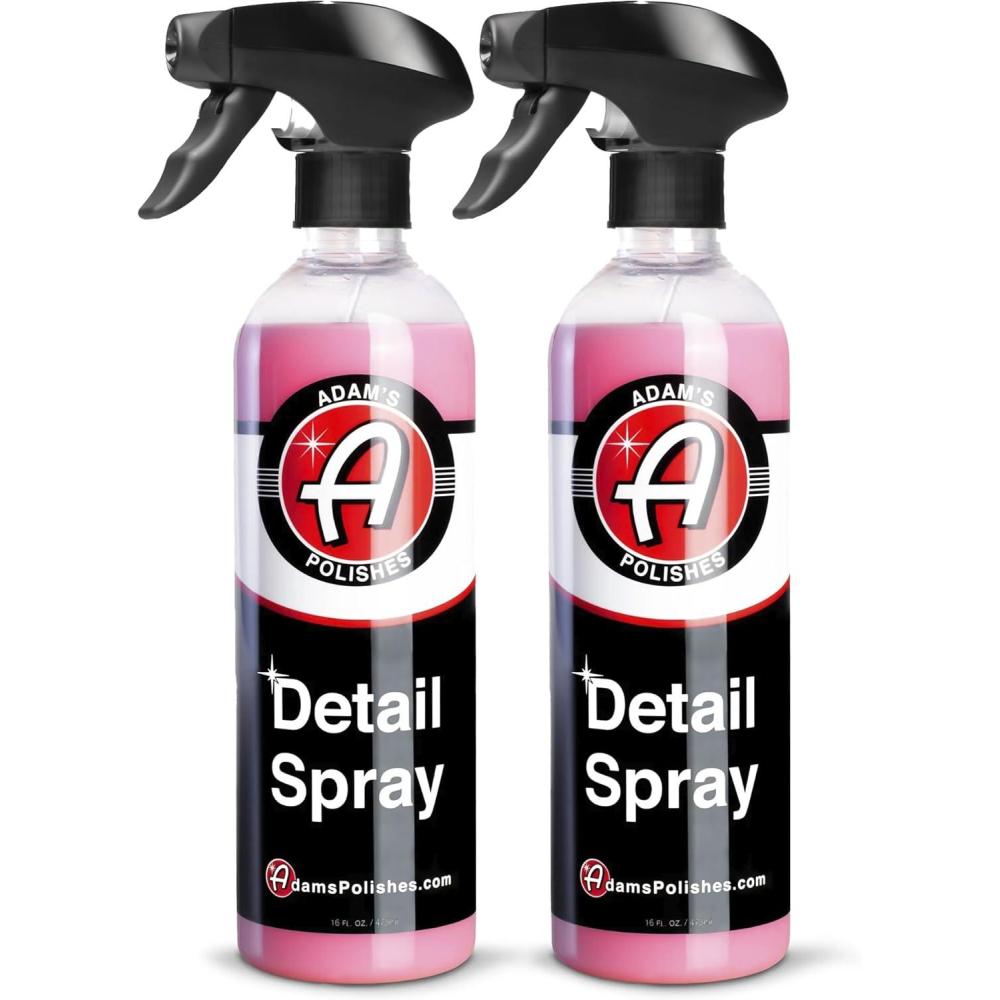
Quick answer: What does detail spray do?
Detail spray is a ready-to-use car-care liquid that adds light cleaning power, lubrication, gloss, and sometimes protection to a clean or lightly dusty vehicle. It works best between washes. Spray it on one small area, wipe with a clean microfiber towel, and buff with a dry side of the towel.
It suits sedans, SUVs, trucks, hybrids, and many EVs. It is not designed to remove heavy mud, brake dust, tree sap, thick grease, or road salt. For those jobs, wash the vehicle first.
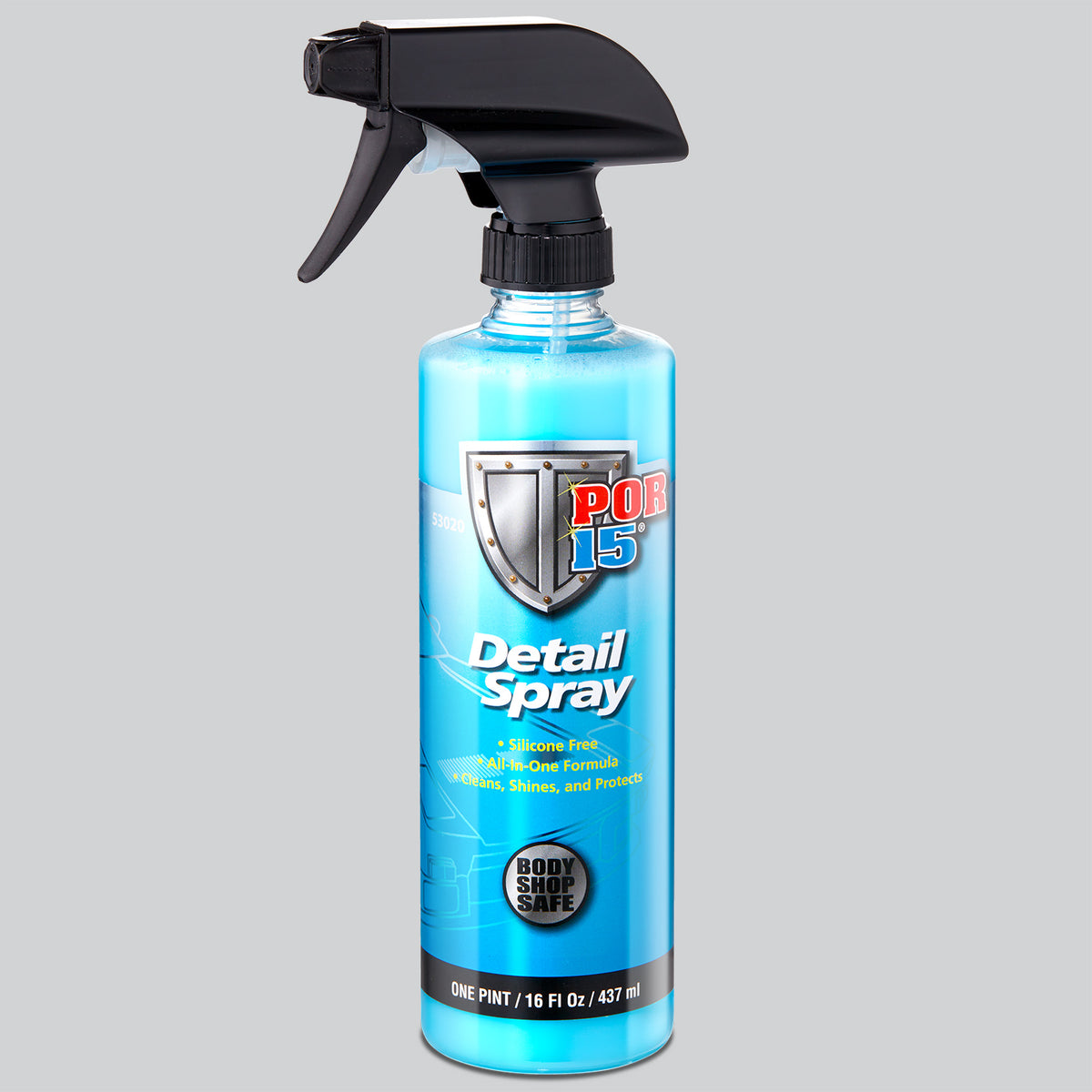
A simple explanation of detail spray
Detail spray sits between a wash product and a protection product. It has more cleaning ability than plain water, but much less cleaning power than car soap or a dedicated degreaser. Many formulas also contain gloss agents, polymers, wax, or ceramic ingredients.
The main goal is safe, quick maintenance. A driver can remove a few fingerprints after filling the tank, clean light dust before a meeting, or refresh a car after a short drive. A professional detailer may use it as a drying aid or clay lubricant, but only when the product label allows that use.
What is inside a detail spray?
Most detail sprays contain water, lubricants, cleaning agents, gloss enhancers, and preservatives. Some include carnauba wax, synthetic polymers, or silica-based ingredients. These ingredients affect how the product feels, looks, and protects.
The word “ceramic” needs care. A ceramic detail spray may add a short-term layer of slickness and water behavior, but it is not the same as a professionally installed ceramic coating. A spray product usually has less durability and less chemical resistance.
The table below shows the main product features and what they mean in daily use.
| Detail spray feature | What it usually means | Best use |
|---|---|---|
| Lubricating agents | Helps the towel glide over light dust | Between-wash touch-ups |
| Gloss enhancers | Makes paint look wetter or deeper | Shows, meetings, weekend care |
| Wax or polymers | Adds temporary slickness and water beading | Extending an existing wax layer |
| Ceramic or silica ingredients | May add short-term water behavior | Coated or protected vehicles |
| Mild cleaners | Helps lift fingerprints and light film | Clean daily drivers |
A product with more gloss is not always safer on heavy dirt. Lubrication matters more than shine when the surface has dust.
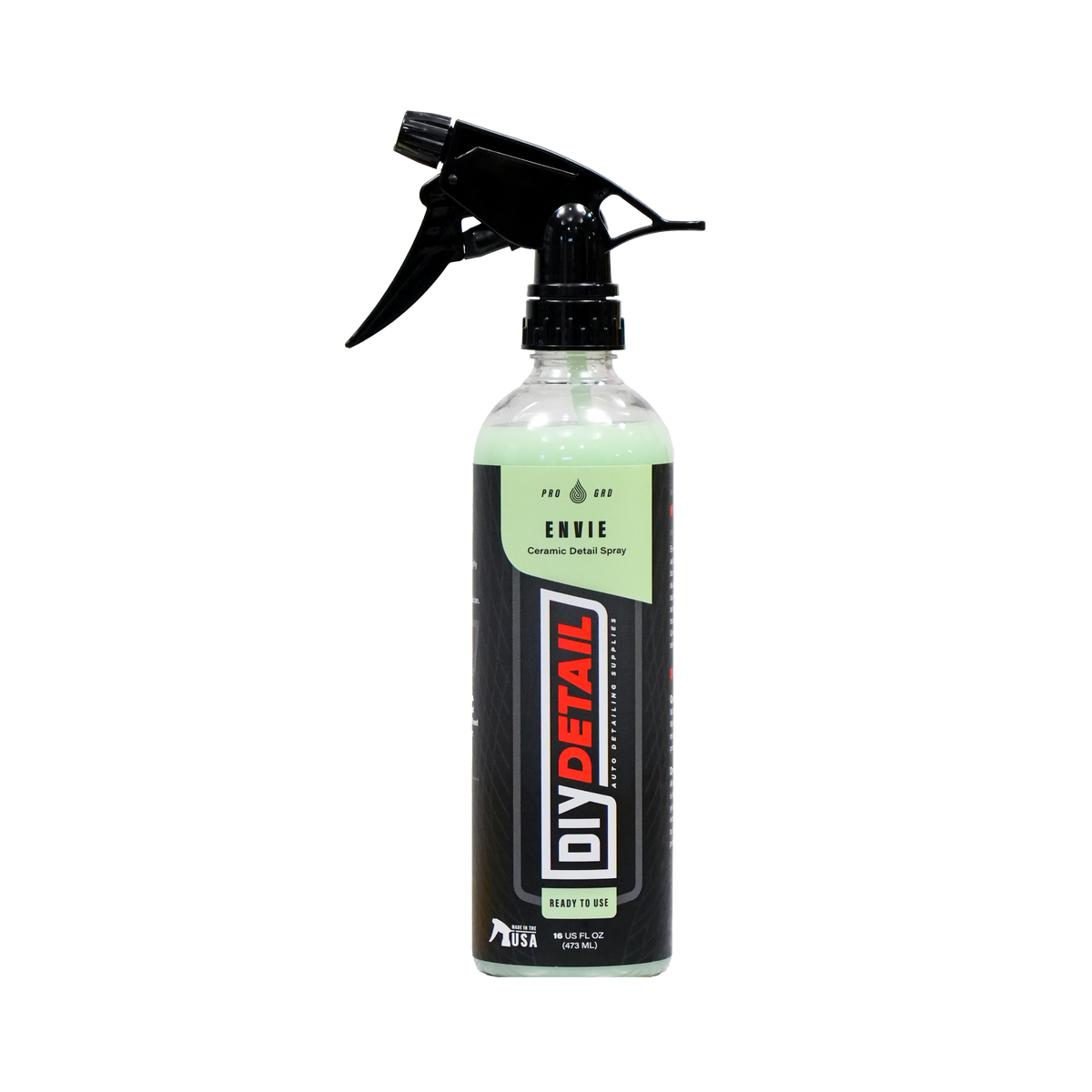
How detail spray differs from car wash soap
Car wash soap is designed to mix with water and clean the full vehicle. It helps suspend dirt so you can rinse it away. Detail spray is made for small areas and light contamination.
Do not use detail spray as your only wash method after a muddy trip. Mud can contain sand and small stones. Wiping those particles across paint can leave swirl marks.
How detail spray differs from waterless wash
A waterless wash has stronger cleaning and lubrication properties than a typical quick detailer. It is designed for a larger cleaning job with no hose or bucket. Even so, it has limits.
A waterless wash can work on light to moderate dust when used with many clean towels. It should not be used on thick mud, heavy salt, or a vehicle covered in gritty winter film. Detail spray is usually better for one panel or a few small marks.
| Product | Cleaning strength | Typical job | Water needed |
|---|---|---|---|
| Detail spray | Low | Fingerprints and light dust | No added water |
| Waterless wash | Medium | Light full-car cleaning | No hose or bucket |
| Rinseless wash | Medium to high | Full wash with a bucket | Small amount |
| Car wash soap | High for normal dirt | Full wash and rinse | Hose or pressure washer |
The main difference is cleaning power and intended coverage. Choose detail spray for quick upkeep, not for a neglected vehicle.

How detail spray works on a vehicle
Detail spray adds moisture and slickness between the surface and the towel. That layer can help lift light dust into the towel instead of letting dry particles scrape across the paint. You still need a clean towel and light pressure.
Many products also leave behind a thin film. That film may improve gloss, reduce static, or help water form beads. The result depends on the paint, lighting, surface condition, towel quality, and the product formula.
Detail spray does not repair clear-coat damage. It cannot remove deep scratches, peeling clear coat, rust, or oxidation in a lasting way. It may temporarily make light marks less visible by adding gloss.
What surfaces can you use it on?
Most detail sprays are made for painted body panels and clear coat. Some are safe for glass, chrome, plastic trim, wheels, or vinyl. Read the label before using the product outside its stated purpose.
Use extra care with matte paint and satin wraps. A glossy detail spray may change the look of a matte surface. Some products can also leave uneven marks on textured plastic.
| Vehicle surface | Usually suitable? | Important note |
|---|---|---|
| Gloss paint and clear coat | Usually yes | Use on cool, clean or lightly dusty panels |
| Glass | Depends on label | Some products can cause haze or wiper chatter |
| Chrome | Often yes | Avoid products with strong abrasive cleaners |
| Matte paint | Only if approved | Gloss agents may alter the finish |
| Vinyl wrap | Check the wrap maker | Use a wrap-safe formula |
| Convertible fabric top | Usually no | Use a fabric-specific cleaner |
| Tires and rubber | Not the best choice | Use a tire dressing made for rubber |
When in doubt, test the product on a hidden area. Check for streaks, color change, or a greasy feel before treating the whole vehicle.

Can you use detail spray inside a car?
Some detail sprays are safe for hard interior plastic, but a standard exterior formula is not the best interior cleaner. It may leave a slippery or shiny film on the steering wheel, pedals, shifter, or seat surfaces.
Never use a slick product on controls that need grip. For dashboards and door panels, use an interior cleaner designed for plastic or vinyl. Use a separate glass cleaner for windows if the detail spray leaves haze.
Types of detail spray
Detail sprays differ by their main job. Some focus on gloss. Others focus on protection, dust removal, ceramic maintenance, or safe use on coated surfaces. The best type depends on your car and your routine.
A new driver often needs a simple, low-residue formula. An experienced DIY detailer may want a spray that works with a ceramic coating or helps dry a freshly washed truck. A gift buyer should choose a clearly labeled product with microfiber towels.
Gloss-enhancing detail spray
A gloss detail spray is made to improve the visual finish. It may contain oils, polymers, or other agents that make paint look smoother. This type is useful before a car show, date, sale, or family event.
The drawback is that some gloss-heavy sprays can streak in hot weather. They can also leave a film that attracts dust if you apply too much. Use a small amount and buff the panel fully.
Wax-based detail spray
Wax detail sprays add a thin layer of wax or wax-like protection. They can help maintain the look of an existing wax job. They are a good choice for an older sedan, family SUV, or weekend car that receives regular washes.
Wax sprays do not replace a full wax application in every case. Their durability varies with sun, rain, washing, road salt, and detergent strength. Check the label for expected use and reapplication guidance.
Ceramic detail spray
Ceramic detail sprays usually use silica or related technology. They can add slickness, shine, and water-beading behavior. They are often marketed for cars with ceramic coatings.
A ceramic spray may suit an experienced DIY detailer who already understands surface prep. It may not suit a beginner who expects a spray to create the same protection as a true ceramic coating. Good results still require clean paint and proper towel technique.
Dust-removing quick detailer
Some formulas are made for light dust and show-car touch-ups. They often have high lubricity, which means they help the towel slide. This type suits a garage-kept vehicle that has not driven through rain or construction zones.
Do not use a dusting spray on visible grit. If the towel starts to feel rough or you see sand, stop and wash the car.
Waterless wash detail spray
A waterless wash product is stronger and more versatile than a basic quick detailer. It can be useful for apartment dwellers, road trips, and areas with water limits. You need several clean microfiber towels and a careful folding method.
This option can suit a truck or SUV owner who needs a light clean after highway travel. It should not be used when the vehicle has thick mud, salted slush, or heavy grit.
Choosing detail spray by vehicle and driver
The best detail spray depends on surface type, climate, storage, and skill. A product that works well on a garage-kept sports car may perform poorly on a work truck that sits outside. Start with the vehicle, not the label claim.
Best choice for beginners and new drivers
Beginners should look for a simple, non-abrasive spray with clear directions. A low-sheen formula is often easier to use than a very glossy product because it is less likely to show streaks.
Pair the spray with at least two or three quality microfiber towels. A new driver should practice on a clean fender or trunk lid before working around the whole car.
Best choice for experienced DIY detailers
DIY detailers may prefer a product that matches their existing protection. If the vehicle has wax, use a wax-friendly spray. If it has a ceramic coating, check whether the coating maker recommends a compatible maintenance spray.
Experienced users may also care about dilution options, clay-bar compatibility, anti-static behavior, and performance on black paint. Always follow the product instructions rather than mixing chemicals based on online guesses.
Best choice for parents and gift buyers
A detail spray can be a useful gift for a teen driver, but keep the kit simple. Choose a labeled product, several color-coded microfiber towels, and a small storage bag. Avoid giving a young driver strong wheel acid, solvent cleaners, or products with unclear instructions.
A beginner kit should encourage safe care, not perfection. It should also include a tire pressure gauge, basic roadside kit, and the vehicle owner’s manual if the driver does not already have one.
| Driver or vehicle | Detail spray choice | Who should skip it |
|---|---|---|
| New driver with a daily sedan | Mild, easy-wipe quick detailer | Anyone cleaning heavy mud |
| Family SUV parked outside | Waterless wash or protective spray | Drivers with no clean towels |
| Work truck | Higher-lubricity formula for light film | Users facing thick clay or grease |
| EV or hybrid | Paint-safe formula with no engine use | Anyone expecting battery care |
| Matte-wrapped vehicle | Wrap-approved matte product | Users with standard gloss spray |
| Ceramic-coated car | Coating-compatible maintenance spray | Anyone seeking a full coating |
The product does not change because a car is electric or hybrid. Detail spray is for exterior surfaces, not the high-voltage battery or charging system.
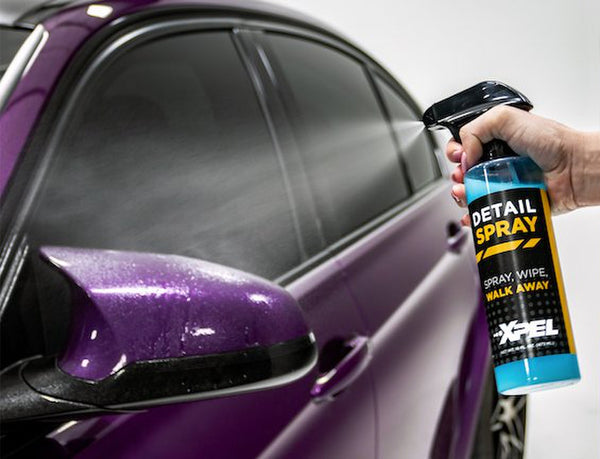
How to use detail spray safely
The best way to use detail spray is to work in the shade on a cool surface. Heat makes the liquid dry too fast and can create streaks. Wind can also blow grit onto the paint while you work.
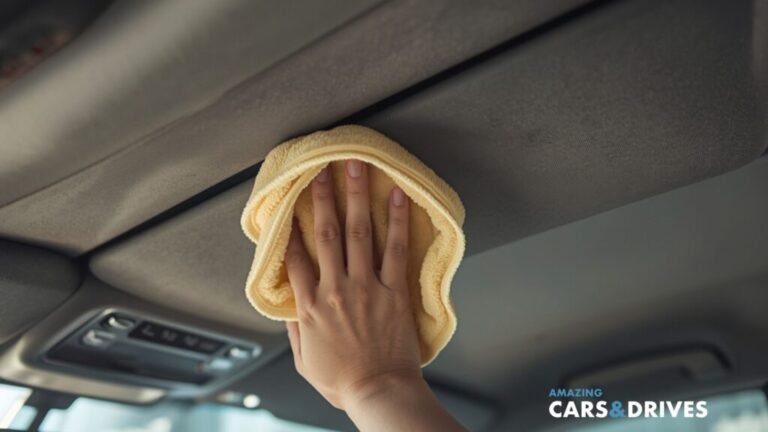
Keep one towel for the first wipe and another for final buffing. Fold each towel into quarters so you have several clean sides. Turn to a fresh side often.
What you need
A basic detail spray job needs only a few items. Clean tools matter more than buying a large collection of chemicals.
| Item | Suggested amount or feature | Why it matters |
|---|---|---|
| Detail spray | One ready-to-use bottle | Provides lubrication and light cleaning |
| Microfiber towels | At least 3–6 clean towels | Reduces the chance of moving grit |
| Trash bag or towel bin | One separate container | Keeps dirty towels away from clean ones |
| Soft brush | Optional | Helps clean emblems and tight gaps |
Avoid old bath towels or rough shop rags. They may hold grit and can leave lint.
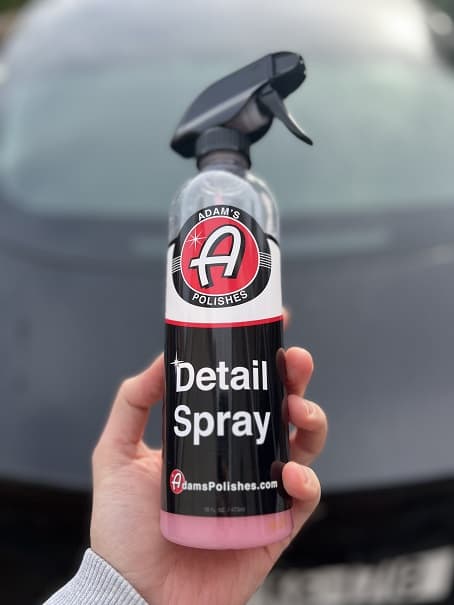
Step-by-step method
-
Check the surface.
Look for mud, sand, salt, grease, and heavy road film. If you see thick dirt, wash the vehicle first. -
Move the vehicle into shade.
The panel should feel cool to the touch. Close doors and windows if wind is carrying dust. -
Shake the bottle if the label says to do so.
Some formulas separate while stored. Follow the directions on the bottle. -
Test a small area.
Spray one corner of a panel. Wipe it and check for streaks, haze, or unusual color change. -
Spray the towel or panel lightly.
For a dusty car, spraying the towel first can reduce overspray. Do not soak the surface. -
Wipe in straight lines.
Use light pressure. Move from the cleaner area toward the dirtier edge. -
Turn the towel.
Use a clean side after each pass. Do not keep wiping with a loaded side. -
Buff with a second towel.
Remove leftover film with a dry, clean microfiber towel. -
Inspect under different light.
Check the panel from several angles. Streaks are easier to see before the product fully cures. -
Store the product correctly.
Close the cap and keep the bottle away from freezing temperatures and direct heat.
Work on small sections, such as half a hood or one door. This approach gives you control and prevents the product from drying before you wipe it.

How much spray should you use?
Start with two or three light sprays for a small panel. More product does not mean more protection. Too much liquid can cause streaks, a greasy feel, and extra towel work.
Large trucks and SUVs need more time, not necessarily a heavier application. Divide the vehicle into smaller sections. This also reduces fatigue and helps you notice dirty areas before you spread them.
When detail spray is worth the money
Detail spray is worth the money for drivers who want quick upkeep between washes. It can keep a clean vehicle looking fresh with little water, little storage space, and no special tools. It is also useful before a short trip, meeting, or vehicle handoff.
It may not be worth buying if you already wash the car after every drive or if the vehicle is always covered in mud. In that case, car wash soap, a pressure washer, or a rinseless wash may offer better value.
Cost and value
Current pricing ranges from budget bottles to premium formulas. Check the latest listing for updated features, size, and compatibility. A low-cost product can work well when paired with good towels and careful technique.
Do not judge value by the word “ceramic” alone. Compare the amount in the bottle, the recommended use, towel needs, and surface compatibility. A product that works with your existing wax or coating may save time and prevent product conflicts.
Detail spray versus a full detail
A quick detailer cannot replace paint correction, deep cleaning, or professional detailing. A full detail may include decontamination, clay treatment, polishing, paint protection, wheel cleaning, and interior work.
Detail spray is a maintenance tool. Think of it like brushing your shoes between deep cleanings. It helps preserve a cared-for appearance but cannot reverse neglect.
Common mistakes that cause paint damage
Most problems come from using the product on a surface that is too dirty, using a dirty towel, or pressing too hard. The liquid is only one part of the process. Clean tools and surface judgment matter just as much.
Using it on heavy dirt
Heavy dirt needs water and a safe wash process. If you wipe a muddy door with a detail spray, grit may move across the clear coat. That can create fine scratches that show under bright light.
Using one towel for the whole car
A towel collects dirt as you work. Reusing it on every panel spreads that dirt. Use multiple towels and separate towels for paint, wheels, glass, and lower body panels.
Working in direct sun
Direct sun can dry the spray before you level it. The result may be streaks, spots, or a patchy finish. Move into shade or work early in the morning.
Applying too much product
Heavy application wastes product and can leave a slick film. The film may collect dust or smear across glass. Start with less and add only if the towel does not glide.
Using it on unsafe interior areas
Do not put a slippery exterior detail spray on steering wheels, pedals, brake pedals, floor mats, or seat surfaces. Loss of grip can create a safety problem.
Ignoring matte and wrapped finishes
Gloss products can change the look of matte paint or satin vinyl. Use a product approved for the exact finish. Confirm the vehicle’s paint or wrap type before you begin.
| Mistake | Likely result | Better practice |
|---|---|---|
| Wiping thick mud | Scratches or dull marks | Wash first |
| Using a rough towel | Micro-marring or lint | Use clean automotive microfiber |
| Working in hot sun | Streaks and fast drying | Work in shade |
| Soaking the panel | Greasy residue | Use a light mist |
| Using exterior spray inside | Slippery surfaces or haze | Use interior products |
| Skipping a test spot | Unexpected finish change | Test a hidden area |
A clean towel is part of the product system. Even an expensive spray cannot make a dirty towel safe.
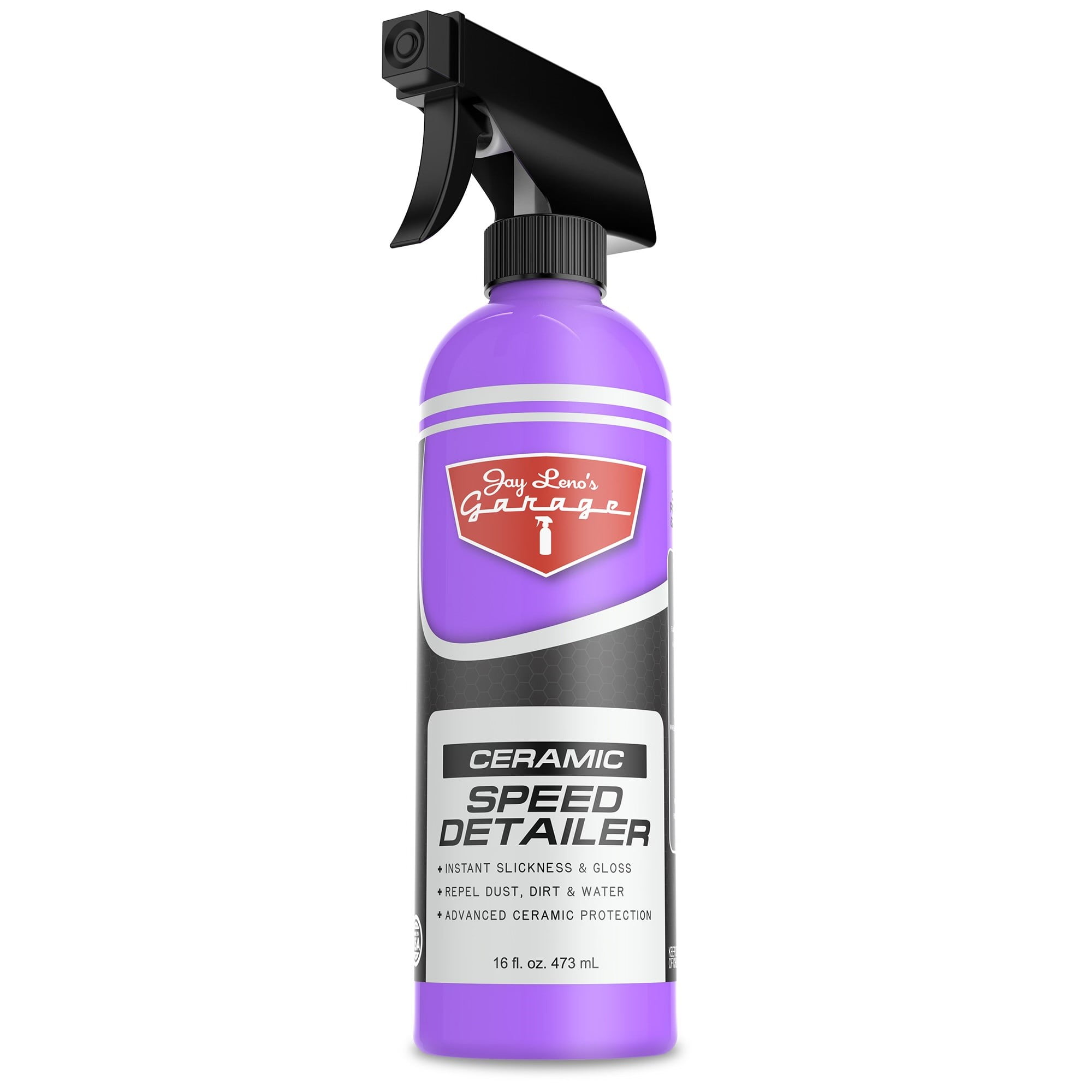
Detail spray in different climates and seasons
Climate changes how detail spray behaves. Heat speeds drying. Humidity can increase streaking. Cold weather can make the product thicker and less pleasant to wipe. Winter salt requires a real wash, not a quick touch-up.
Hot and dry climates
Work in shade and use smaller sections. Keep the bottle and towels out of direct sun. A product that dries too fast may need a different formula or a cooler work time.
Dust is also a concern in dry areas. If the car has more than a light layer, use a rinseless wash or regular wash instead.
Rainy and humid climates
Rain can leave minerals and road film. Detail spray may remove fresh spots after the vehicle dries, but old water spots may need a dedicated mineral remover. Do not scrub hard to force them away.
A protective spray may help water run off, but it will not prevent all spotting. Drying the car with a clean towel after washing remains useful.
Winter and road salt
Road salt can damage finishes and metal parts when it remains on the vehicle. A detail spray is not enough for salty lower panels, wheel wells, or rocker panels. Rinse the car with clean water as soon as practical.
Use gloves if your skin reacts to cleaning chemicals. Keep chemical bottles from freezing, since some formulas can separate or lose performance after repeated freeze-thaw cycles.
Coastal areas
Salt air can settle on paint even when the car looks clean. Wash more often and inspect seams, badges, and lower panels. Detail spray is best for small fresh marks, not a substitute for salt removal.

Safety, storage, and environmental care
Detail spray is usually easy to use, but it is still a chemical product. Read the label and safety data if you have sensitive skin or breathing issues. Wear gloves if the label recommends them, and avoid spraying near your eyes.
Keep products away from children and pets. Do not mix detail spray with bleach, ammonia, solvents, or other cleaners. Chemical mixtures can create harmful fumes or damage the vehicle.
Use ventilation when cleaning inside a garage. Do not leave aerosol or pressurized products in a hot vehicle. Follow local rules for disposing of leftover chemicals and empty containers.
🌿 Eco or Disposal Note: Do not pour leftover automotive chemicals into a storm drain, yard, or sink unless local guidance allows it. Contact your local household hazardous-waste program for disposal instructions.

Products and tools that pair well with detail spray
Detail spray works best as part of a basic car-care system. It does not need to replace every product in your garage. Match each tool to its job.
Microfiber towels
Microfiber towels are the most important partner. Use plush towels for paint and separate, lower-cost towels for wheels, door jambs, and exhaust areas. Wash them without fabric softener, which can reduce absorbency.
Keep dirty towels in a sealed or separate bin. Wash them before they collect oil or grit. Replace towels with rough edges, hard stains, or damaged fibers.
Car wax and sealant
A detail spray can help maintain the look of wax or synthetic sealant. Check compatibility before layering products. Some sprays may reduce the feel or appearance of another protection layer.
Do not assume a quick detailer adds months of protection. Its life depends on the formula and driving conditions.
Ceramic coating
A ceramic coating is a longer-term paint protection layer installed after careful preparation. A ceramic detail spray may support maintenance, but it does not equal the coating itself.
Follow the coating maker’s care guide. Some coatings require pH-neutral soap and a specific topper. Using the wrong product may create streaks or reduce the intended finish.
Pressure washers and rinseless washes
A pressure washer can remove loose grit before contact washing. Use safe distance and pressure for the vehicle and avoid forcing water into damaged seals or electrical areas.
A rinseless wash can be a better choice than detail spray when the whole vehicle has light dirt. It uses a small amount of water and many towels. It is still not a solution for thick mud or heavy salt.
Road-trip and roadside use
A small bottle of detail spray and two clean towels can help remove fingerprints, bird droppings, and fresh spots during a trip. Remove bird droppings quickly because they can etch paint in strong sun.
A roadside kit should also include a tire pressure gauge, flashlight, reflective triangles, gloves, and a phone charger. Detail spray is cosmetic; it does not replace emergency gear.

What detail spray cannot do
Detail spray cannot safely remove thick brake dust from wheels, baked-on tar, tree sap that has hardened, or heavy grease. It also cannot repair chips, rust, peeling clear coat, or deep scratches.
It will not fix a check engine light, improve tire pressure, charge a car battery, or clean an engine safely. Those jobs require the correct tool or service. For example, use a tire inflator and pressure gauge for tire pressure, and an OBD2 scanner—an onboard diagnostic scanner—for many basic check-engine-code checks.
The table below separates cosmetic care from maintenance tasks that need different products.
| Task | Use detail spray? | Better choice |
|---|---|---|
| Fingerprints on paint | Yes | Detail spray and microfiber |
| Light dust in a garage | Usually | Detail spray and clean towels |
| Thick mud | No | Hose or pressure washer, then wash |
| Tire pressure | No | Tire pressure gauge or inflator |
| Brake dust on wheels | Usually no | Wheel cleaner and wheel brush |
| Check engine light | No | OBD2 scanner or repair shop |
| Battery discharge | No | Battery maintainer or jump starter |
| Interior glass haze | Usually no | Automotive glass cleaner |
Knowing what not to do protects both the finish and your budget. The right product used for the wrong job can create more work.
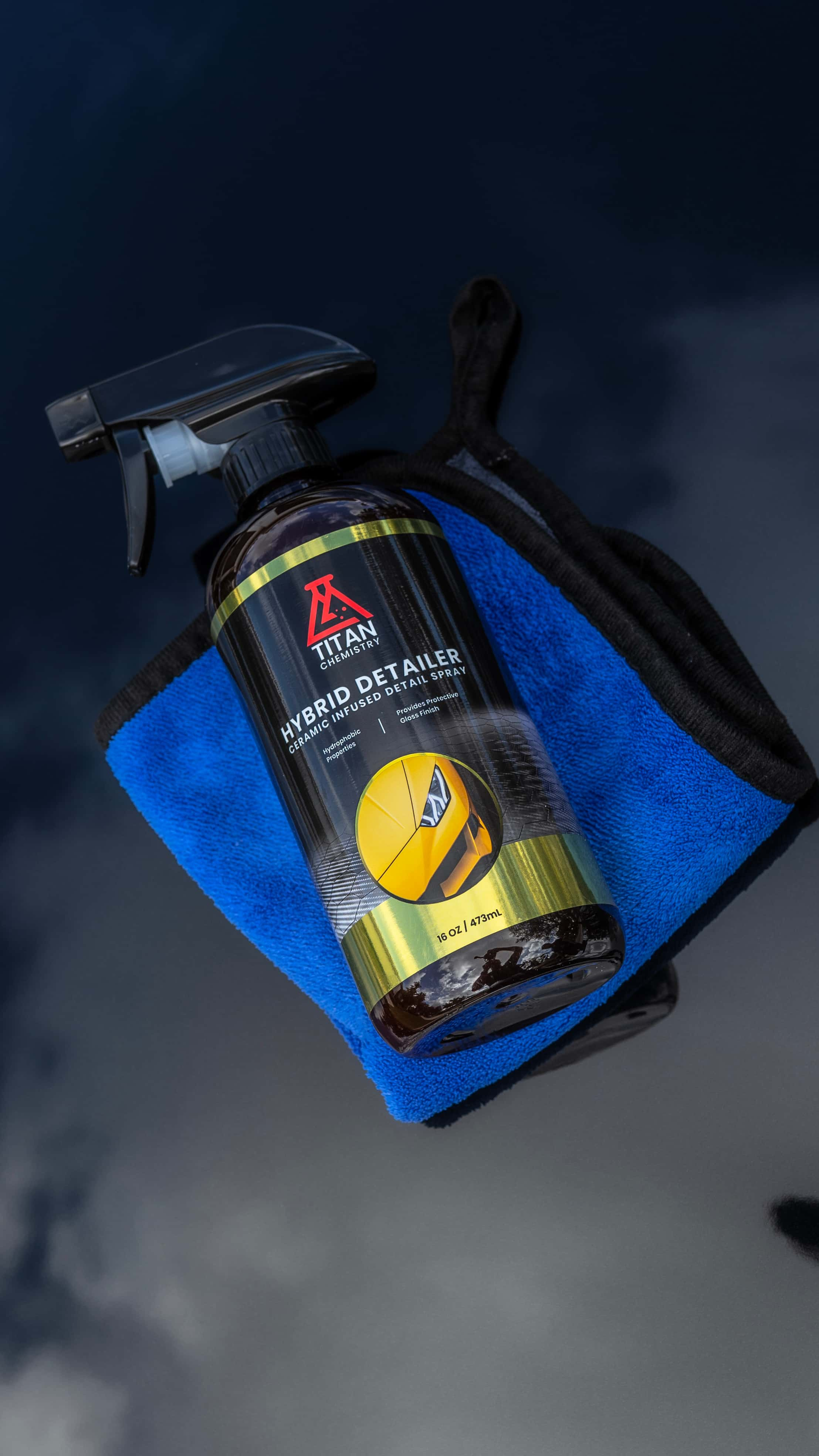
Is detail spray safe for EVs and hybrids?
Detail spray is generally safe for the painted exterior of an EV or hybrid when the label allows use on that surface. The vehicle’s propulsion system does not change the basic paint-care process. Keep liquid away from charging ports and damaged seals.
Do not spray into the charging connector, high-voltage service areas, vents, or under-hood electrical components. Follow the owner’s manual for cleaning around the charge port and battery system.
EV owners often spend more time cleaning wheels because regenerative braking can reduce brake dust, but dust still occurs. Use a wheel-specific product when needed.
How long does detail spray last?
The bottle may last from several full-car applications to many small touch-ups. Usage depends on bottle size, vehicle size, spray pattern, and how much product you apply. A large SUV or truck uses more towels and more time than a compact sedan.
The shine or protective effect may last days or weeks, not a fixed period for every vehicle. Frequent rain, automatic washes, strong soap, sun, and winter salt can shorten it. Treat the product as a maintenance layer, not permanent protection.
Store it upright with the cap closed. Check the label for shelf-life guidance and discard any product that changes smell, color, texture, or performance.
Pros and cons of detail spray
Detail spray is popular because it is fast and simple. It also has clear limits. Understanding both sides helps you decide if it belongs in your car-care routine.
| Pros | Cons |
|---|---|
| Quick way to remove light dust and fingerprints | Unsafe for heavy dirt |
| Needs little space and no bucket | Can cause scratches with poor technique |
| May add gloss and slickness | Some formulas streak in heat |
| Useful for road trips and daily upkeep | Protection may be short-lived |
| Works on many painted vehicles | Not every formula suits matte finishes |
| Easy gift for a new driver | Requires several clean towels |
For a clean daily driver, the benefits often outweigh the limits. For a neglected work truck, a wash system is usually the better first purchase.

Frequently asked questions
Q: Can I use detail spray on a dirty car?
A: You can use it on light dust, fingerprints, and fresh surface film. Do not use it on mud, sand, heavy salt, or gritty road dirt. Wash the car first when the surface feels rough or looks heavily soiled.
Q: Is detail spray the same as car wax?
A: No. Some detail sprays contain wax or wax-like ingredients, but they usually provide lighter and shorter-term protection than a dedicated wax application. Check the label for the product’s intended use.
Q: Can detail spray remove water spots?
A: It may remove fresh, light water marks. Older mineral deposits may need a dedicated water-spot remover or paint-safe decontamination process. Do not scrub hard, since that can mark the clear coat.
Q: Can I use detail spray on glass?
A: Only if the label says it is safe for glass. Some formulas can leave haze or affect wiper performance. Automotive glass cleaner is often the safer choice for windshields and mirrors.
Q: Can I use detail spray on matte paint?
A: Use only a product approved for matte or satin finishes. Standard gloss sprays may change the appearance or leave uneven patches. Test in a hidden area first.
Q: Is detail spray safe for a ceramic-coated car?
A: Many detail sprays are made for coated vehicles, but not all are compatible. Follow the coating manufacturer’s care instructions and choose a product approved for that coating type.
Q: What towels should I use with detail spray?
A: Use clean, soft automotive microfiber towels. Use separate towels for paint, glass, wheels, and lower panels. Avoid fabric softener when washing them.
Q: Can detail spray remove bird droppings?
A: It can help soften and lift fresh droppings when used with plenty of lubrication and light pressure. Do not dry-wipe the spot. Rinse or gently loosen the material first if it is hard or gritty.
Q: Is detail spray safe for car wraps?
A: Some are safe, but you must check the wrap maker’s guidance. Matte, satin, and textured wraps need products made for those finishes. A regular gloss product may change the appearance.
Q: Should I use detail spray before or after washing?
A: It is mainly used after washing for maintenance. You can also use it for a small light-dust touch-up between washes. Do not use it to hide heavy dirt.
Q: Is detail spray worth it for a teen driver?
A: Yes, if the teen can follow simple cleaning steps. Choose a mild product, clean microfiber towels, and clear instructions. Pair it with safer essentials such as a tire pressure gauge and roadside kit.
Q: Can detail spray remove scratches?
A: No. It may make very light marks look less visible by adding gloss, but it does not repair scratched clear coat. Deep scratches and peeling finish need professional assessment.
Q: Can I use detail spray on wheels?
A: Only when the label allows it and the wheels have light dust. Heavy brake dust needs a wheel cleaner. Never use a paint product as a substitute for a wheel-safe cleaner on neglected wheels.
Q: Does detail spray protect against road salt?
A: It may leave a light protective film, but it does not remove or neutralize heavy salt. Rinse winter salt from paint, wheel wells, and lower panels as soon as practical.
Q: What is the best detail spray for beginners?
A: A mild, ready-to-use formula with clear directions and easy wipe-off is usually best. Choose one that matches the vehicle’s finish. The best product for a beginner is one that is simple to use and does not require special prep.
Final thoughts
Detail spray is a quick maintenance product for clean or lightly dusty vehicles. It can add gloss, light cleaning, slickness, and short-term protection without a bucket or hose. It works well for daily drivers, road trips, garage-kept cars, and simple gift kits for new drivers.
Use it on a cool surface with clean microfiber towels and light pressure. Skip it when the car has mud, sand, heavy salt, grease, or thick brake dust. When you match the product to the finish and use it for the job it was designed to do, detail spray becomes a useful small tool—not a substitute for a real wash or proper vehicle maintenance.