Are There Separate Car Wipes: Interior Vs Exterior Use
Car wipes are not all made for the same job. Interior wipes are designed for materials such as vinyl, plastic, leather, fabric, and screens. exterior wipes are made to remove light dirt, road film, bugs, or bird droppings from painted panels, glass, trim, and wheels.
Using the wrong wipe may leave streaks, dull a finish, dry out leather, or move grit across the paint. The good news is that choosing the right wipe is simple once you know what surface you are cleaning, how dirty the car is, and what finish you want to protect.
This guide explains the difference between interior and exterior car wipes. It also covers safe use, vehicle type, climate, cost, storage, road trips, EVs, trucks, hybrids, and common mistakes. Whether you are a new driver, a hands-on DIY detailer, or buying a care kit for a teen, you will know what to buy and when to use it.
Quick answer: Are there separate car wipes for interior and exterior use?
Yes. Separate interior and exterior car wipes are recommended because each type uses a different cleaner and towel texture. Interior wipes are often gentle and low-moisture. Exterior wipes may contain cleaners designed for road film, bugs, tar, or glass. Some products are labeled for both uses, but always read the label before wiping paint, leather, screens, or clear plastic.
An interior wipe is usually best for dashboards, door panels, center consoles, vinyl, and some leather surfaces. An exterior wipe is better for light dust, bird droppings, fingerprints, water spots, and fresh bugs on painted surfaces or glass.
Neither type is a replacement for a full wash. Wipes are for quick cleaning. They work best when the surface has light contamination and you use a clean side of the towel for each pass.
What makes interior and exterior car wipes different?
The main difference is the surface each wipe is designed to protect. Interior wipes focus on low residue and material safety. Exterior wipes focus on lifting outdoor grime without scratching or stripping the finish when used as directed.
Interior wipes protect sensitive cabin materials
Interior surfaces vary more than many drivers expect. A modern dashboard may combine textured plastic, soft-touch coating, vinyl, painted trim, piano-black plastic, and a digital display. A single wipe that is safe for one area may be poor for another.
Most interior wipes are made to:
- Remove dust, fingerprints, and light spills
- Leave little or no greasy film
- Reduce glare on the dashboard
- Clean vinyl and plastic
- Condition or clean leather when the label allows it
- Avoid strong solvents that may damage trim
Some wipes add a shine. Others leave a matte finish. Matte products often suit newer vehicles because shiny dashboards can reflect sunlight into the windshield.
Exterior wipes handle outdoor contamination
Exterior surfaces face grit, salt, pollen, insects, tree sap, bird waste, and road spray. Some exterior wipes contain mild lubricants that help the towel glide over paint. Others are made for glass, wheels, water spots, or quick-detail work.
Exterior wipes may be labeled for:
- Painted body panels
- Clear coat
- Chrome
- Exterior plastic
- Glass
- Wheels
- Bug removal
- Waterless washing
- Quick detailing
These products still have limits. A dry wipe on gritty paint can drag sand across the clear coat. For heavy dirt, use a hose, pressure washer with safe technique, or a normal car wash first.
Why one wipe can harm another surface
A wipe’s chemical mix, moisture level, and fabric all matter. A strong exterior cleaner may stain a light-colored cabin panel. An interior protectant may leave a slippery film on a steering wheel, pedal, shifter, or seat.
The fabric matters too. A thick microfiber towel can trap loose dirt better than a thin, rough towel. Microfiber is a synthetic cloth with very fine fibers. It can clean well, but it still scratches when loaded with grit.
Interior versus exterior wipes at a glance
The table below shows the normal use for each product. Always follow the exact label because formulas vary by brand and surface.
| Wipe type | Best surfaces | Main limits |
|---|---|---|
| Interior cleaner wipe | Vinyl, plastic, rubber, door panels | May not suit leather, screens, or suede |
| Leather wipe | Finished leather seats and trim | Not for unfinished leather, suede, or fabric |
| Screen wipe | Touchscreens, gauges, navigation displays | May not remove heavy grease or grit |
| Exterior quick-detail wipe | Clean or lightly dusty paint | Not for heavy mud or sand |
| Glass wipe | Exterior and interior glass | May streak on hot glass |
| Wheel wipe | Painted or coated wheels | Not always safe for bare aluminum or hot wheels |
| Bug-removal wipe | Fresh insects on paint and glass | Old, baked-on bugs may need soaking |
Interior wipes suit beginners, parents, and drivers who want a quick cabin cleanup. Exterior wipes suit DIY owners who already know when a surface needs a wash instead of a wipe.
Which car surfaces need special treatment?
Some surfaces should not be treated as normal plastic or painted metal. The safest method is to identify the material first, test a hidden area, and use a product made for that material.
Leather seats
Finished leather can often be cleaned with a leather-specific wipe. The word “finished” means the leather has a protective surface coating. Most factory leather seats have this coating, but not all leather products are the same.
Do not assume a wipe labeled “leather” will work on suede, nubuck, perforated leather, or heavily worn leather. Avoid soaking seat seams and perforations. Moisture can collect under the surface and create odor or damage.
After cleaning, let the seat dry. A separate leather conditioner may be useful if the manufacturer allows it. Too much conditioner can make the seat slick.
Cloth seats and carpet
Cloth upholstery usually needs a fabric or carpet cleaner, not a standard dashboard wipe. A general interior wipe may remove a fresh fingerprint, but it may spread a stain or leave a ring.
Blot spills first. Do not scrub hard, since aggressive rubbing can push the stain deeper. Use a clean towel and allow the area to dry before closing the vehicle for a long time.
Touchscreens and instrument panels
Many screens have an anti-glare or anti-fingerprint coating. Strong alcohol, ammonia, household glass cleaner, paper towels, and rough wipes may harm that coating.
Use a screen-safe cleaner or a clean, soft microfiber cloth. Turn the screen off so fingerprints and streaks are easier to see. Do not spray liquid directly onto the display.
Piano-black trim
Glossy black interior trim shows dust and fingerprints very easily. It can also show fine scratches. Use a clean, soft microfiber towel and light pressure.
Never use a gritty wipe or a towel that has touched wheels, tires, or lower body panels. For this trim, a dry dusting cloth may be safer than a wet wipe when the surface is only dusty.
Steering wheels, pedals, and controls
Avoid shiny protectants on the steering wheel, shift knob, pedals, and floor mats. A slippery film can reduce grip. That matters in a sudden stop or wet-weather maneuver.
Clean these areas with a low-residue product. Wipe again with a dry towel if needed. Keep liquid away from switches and electronic seams.
Matte paint, ceramic coatings, and paint protection film
Matte paint does not reflect light like standard gloss paint. It needs products made for matte finishes because normal wax or polish can create uneven shine.
Ceramic coating is a thin protective coating that bonds to paint. Paint protection film, or PPF, is a clear film placed over painted panels. Use a wipe approved for the coating or film. Avoid abrasive cleaners unless the manufacturer says they are safe.
⚠️ Safety Warning: Never spray cleaner into airbag covers, steering-wheel seams, seat-belt buckles, or electrical switches. Use a damp cloth instead, and keep liquid away from openings.
Exterior wipe types and where they work best
Exterior wipes are not one product category. A glass wipe, a wheel wipe, and a quick-detail wipe may look similar in the package, but they have different jobs.
Waterless wash and quick-detail wipes
Waterless wash products use extra lubrication to help lift light dust from paint. They are intended for vehicles with light contamination, not thick mud or road salt.
Fold the towel into several sections. Make one light pass, turn to a clean section, and then buff with another towel. If the towel feels gritty, stop and replace it.
Quick-detail wipes work well after a regular wash. They can remove fingerprints, light water marks, and small spots before a car show, road trip, or school event.
Bug and bird-dropping wipes
Bug remains and bird droppings can dry into a hard layer. They may contain acids or grit that can harm clear coat if rubbed while dry.
A damp bug-removal wipe can soften the spot. Lay it over the area for a short time, then lift the contamination away. Do not grind it into the paint.
Bird droppings may contain small hard particles. Wear gloves, use plenty of moisture, and wash your hands after cleanup.
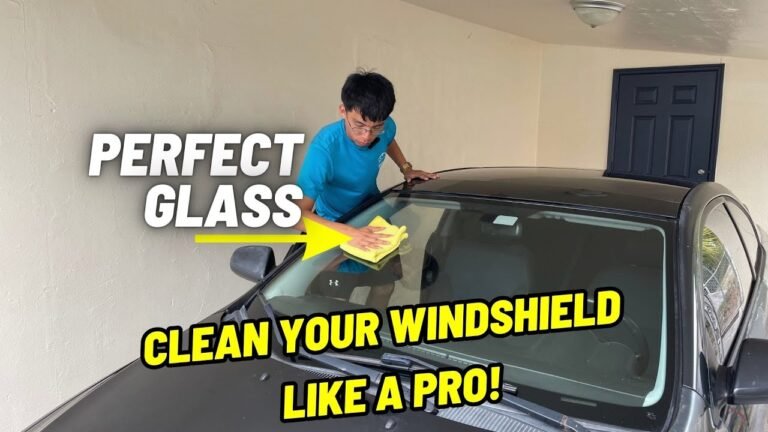
Exterior glass wipes
Glass wipes should remove film without leaving a greasy haze. That haze can become hard to see at night when headlights hit the windshield.
Use separate towels for the inside and outside of the glass. Clean the inside in one direction and the outside in another. If you see streaks, the direction can help you find which side needs another pass.
Wheel wipes
Wheel finishes vary. A painted alloy wheel, chrome wheel, clear-coated wheel, and bare aluminum wheel may need different products.
Do not wipe a hot wheel. Brake dust and cleaner can bake onto the surface or create stains. Let the wheel cool, remove loose grit, and check the label for use on your wheel material.
Tire and exterior trim wipes
Tire wipes often contain dressing. Dressing can make tires look dark, but it should not reach brake rotors, tread blocks, or the steering wheel.
Use a tire applicator instead of a general towel when possible. Wipe away excess product from the sidewall. Avoid products that leave a wet, slippery surface.
Interior and exterior car wipe pros and cons
Wipes are useful because they are quick and easy to store. They are not a complete detailing system, and their limits matter more than their packaging.
| Use | Pros | Cons |
|---|---|---|
| Interior wipes | Fast cabin cleanup; easy for beginners; low water use | Can leave shine, residue, or odor |
| Exterior wipes | Useful for fresh spots and light dust; road-trip friendly | Can scratch paint if used on grit |
| Glass wipes | Simple way to remove fingerprints and film | Some formulas streak or haze |
| Leather wipes | Convenient for small spills and routine care | May not suit all leather finishes |
| Wheel wipes | Handy for quick touch-ups | Poor choice on hot or heavily dirty wheels |
The key takeaway is simple: interior wipes are mainly about material safety, while exterior wipes are mainly about contamination and lubrication. If you are unsure, use a product made for the exact surface.
How to choose car wipes for your vehicle
The right product depends on your car, your cleaning habits, and your local climate. A compact sedan used in a dry city needs a different kit from a pickup used on muddy roads.
For sedans and compact cars
A small interior kit can cover most needs:
- Low-sheen dashboard wipes
- Screen-safe microfiber cloths
- Glass wipes
- Leather or fabric cleaner if needed
- A dry towel for final buffing
Compact cars often have limited storage. Choose resealable packs that will not dry out in a glove box. Keep one pack in the car and a second pack at home.
For SUVs and trucks
SUVs and trucks have more exterior area, more glass, and often more textured plastic. They also collect dirt along rocker panels, tailgates, wheel arches, and bed steps.
A useful kit may include exterior quick-detail wipes, wheel-safe towels, glass cleaner, interior wipes, and heavy-duty microfiber towels. Do not use the same towel on the paint and the lower body.
Trucks used for work may need a real wash more often. Wipes are best for the cab, mirrors, door handles, and small fresh spots between washes.
For EVs and hybrids
EVs and hybrids still need normal surface care. Their motors and battery systems do not change the need to clean glass, paint, tires, seats, and trim.
Avoid spraying liquid near charging ports, high-voltage labels, electrical connectors, or the engine bay of a hybrid. A wipe is safer than a spray when cleaning near electronics, but you should still keep moisture controlled.
For older vehicles
Older cars may have faded plastic, cracked vinyl, weak clear coat, or repaired paint. Test every new wipe in a hidden area.
A strong protectant may make one faded panel look darker than another. A solvent may remove loose dye or soften a damaged surface. Gentle cleaning is usually safer than chasing a deep shine.
For new vehicles
New vehicles may have delicate screen coatings, soft-touch trim, gloss-black panels, and ceramic coatings. Read the owner’s manual and product label.
Do not assume a high-end vehicle needs the strongest cleaner. In many cases, a mild wipe and a clean microfiber towel are the better choice.
Climate and storage matter
Heat can dry wipes in a parked car. Freezing weather can change the texture of the liquid and may damage a package seal. Humid climates can increase mold and odor if wet towels stay in a closed cabin.
Store wipes sealed and out of direct sunlight. Do not leave an opened pack on the dashboard. Replace wipes that smell sour, look dry, or have collected visible dirt.
| Climate or condition | Best wipe approach | Extra care |
|---|---|---|
| Hot, sunny region | Low-residue interior wipes and sealed packs | Store out of heat and sun |
| Cold winter region | Thick microfiber and glass wipes | Keep products from freezing |
| Humid coastal area | Fast-drying interior products | Dry seats and carpets well |
| Snow and road salt | Exterior wash first, then spot wipes | Do not rub salt grit on paint |
| Dry, dusty area | Lubricated exterior detailer | Use a fresh towel often |
| Heavy rain region | Glass cleaner and clean towels | Check for haze after drying |
Climate changes how well wipes work. The product is only part of the result; storage and technique matter just as much.
The safest way to use car wipes
A clean process protects the surface more than a fancy label. Work from the cleanest areas to the dirtiest areas, and never let a dirty towel move from the rocker panel to the hood.
A simple interior cleaning method
- Remove trash and loose items.
- Shake out or vacuum floor mats.
- Read the wipe label.
- Test a hidden spot.
- Wipe the dashboard and upper door panels.
- Clean the center console with a separate section of towel.
- Use a screen-safe cloth on displays.
- Wipe the steering wheel and controls with a low-residue product.
- Let surfaces dry.
- Buff away excess product with a clean microfiber towel.
Do not clean a dusty dashboard with heavy pressure. Lift dust first with a soft cloth. Pressing grit into textured plastic can create a dull look.
A safe exterior spot-cleaning method
- Park in shade when possible.
- Let the panel cool.
- Remove loose dirt with water if available.
- Spray or apply the product as directed.
- Use a clean, lubricated towel.
- Wipe in one direction with light pressure.
- Turn the towel to a clean side.
- Buff with a dry towel.
- Inspect the surface in good light.
- Wash the towel separately from greasy shop rags.
Do not use an exterior wipe on a panel covered in sand, mud, or salt. That is a wash job. A wipe is for light contamination only.
How many wipes or towels do you need?
One wipe may clean a small dashboard or a single spot. It should not be expected to clean an entire SUV exterior.
For a full interior, plan on several wipes or towels. For exterior paint, multiple microfiber towels are safer. Once a towel feels rough, wet with dirt, or leaves streaks, set it aside.
| Cleaning job | Suggested supplies | Skill level |
|---|---|---|
| Quick dashboard cleanup | One interior wipe and one dry cloth | Beginner |
| Full cabin cleanup | Interior wipes, vacuum, screen cloth, towels | Beginner |
| Fresh bird dropping | Water or safe exterior wipe, gloves, towel | Beginner |
| Light exterior dust | Lubricated detail product and several towels | Intermediate |
| Wheel cleanup | Wheel-safe cleaner, brush, gloves, towels | Intermediate |
| Heavy mud or road salt | Hose or wash setup, wash mitt, drying towels | Intermediate |
The best setup for a new driver is small and clear: interior wipes, glass wipes, two microfiber towels, gloves, and a trash bag. A DIY owner may add separate wheel and paint-care products.
Common mistakes that cause damage
Most wipe-related damage comes from using too much pressure, using a dirty towel, or choosing a product without checking the label. These errors are easy to avoid.
Mistake 1: Using household disinfecting wipes
Household wipes may contain alcohol, bleach, ammonia, or strong fragrance. These chemicals may stain vinyl, dry leather, haze screens, or damage soft-touch trim.
Use automotive products made for the surface. If you need to disinfect after illness, check the vehicle maker’s care guidance.
Mistake 2: Wiping dry grit across paint
Dry grit acts like fine sandpaper. Even a soft towel can leave marks if the panel is gritty.
Rinse first when possible. If you cannot rinse, remove only the most urgent spot with plenty of approved cleaner and very light pressure. Plan a proper wash later.
Mistake 3: Using tire dressing on pedals or steering wheels
A shiny surface is not always a clean or safe surface. Tire dressing can make controls slippery.
Keep dressing on the tire sidewall. Wipe away overspray and never apply it to tire tread.
Mistake 4: Cleaning hot surfaces
Hot paint, glass, and wheels dry product before you can wipe it away. This can create streaks or spots.
Park in shade and wait for the surface to cool. This is especially important for wheel cleaner.
Mistake 5: Using one towel everywhere
A towel used on wheels can hold brake dust. A towel used on the lower body can hold sand. Do not use either one on the dashboard or hood.
Color-coding towels helps. For example, use one color for glass, one for interior, and one for wheels.
Mistake 6: Applying too much protectant
A thick layer can attract dust and create glare. It can also make a seat or steering wheel slick.
Apply less than you think you need. Buff the surface after cleaning.
Mistake 7: Ignoring the owner’s manual
Some automakers warn against certain cleaners on synthetic leather, special coatings, displays, or trim. The manual is the best source for factory materials.
When the manual and product label conflict, pause and verify before cleaning.
💡 Pro Tip: Keep a small “clean side” and “dirty side” system. Fold a microfiber towel into quarters. Use one section for each pass, then refold it to expose a clean section.
Are car wipes worth the money?
Car wipes are worth it when you need speed, convenience, and light-duty cleaning. They are not the cheapest choice for large surfaces or heavy dirt.
A reusable microfiber towel and a concentrated cleaner can cost less over time. However, wipes are easy for a new driver, useful in a work truck, and practical for parents who want a quick cleanup after snacks or spills.
| Price tier | What you usually get | Best for |
|---|---|---|
| Budget | Basic interior or glass wipes | New drivers and emergency cleanup |
| Mid-range | Better fabric, less residue, specialty formulas | Daily drivers and gift kits |
| Premium | Specialty leather, coating-safe, or waterless products | Detailers and newer vehicles |
| Reusable setup | Microfiber towels plus bottled cleaner | DIY owners focused on value |
Current pricing varies by pack size, brand, and specialty use. Check the latest listing for updated features, ingredients, and fitment or surface guidance.
A budget pack makes a sensible gift for a teen driver when paired with a tire pressure gauge, phone mount, small roadside kit, and trash bags. A premium leather or coating-safe kit may suit an experienced owner more than a beginner.
What should a car care kit include?
A useful kit does not need every product on a store shelf. It needs the right items for the driver and vehicle.
Basic kit for a beginner
- Interior wipes
- Glass-safe wipes
- Two or three microfiber towels
- Nitrile gloves
- Small trash bags
- Tire pressure gauge
- Simple roadside kit
This kit suits a first car, used sedan, or teen driver. It is easy to understand and does not require special tools.
Better kit for a DIY owner
- Low-sheen interior cleaner
- Screen-safe cloth
- Leather or fabric product
- Exterior quick-detail product
- Wheel-safe cleaner
- Several microfiber towels
- Wash mitt
- Drying towel
- Tire inflator
- OBD2 scanner
An OBD2 scanner reads the vehicle’s onboard diagnostic system. It can help identify why the check engine light is on, but it does not replace professional diagnosis.
Road-trip kit
- Interior wipes
- Glass wipes
- Paper towels or microfiber towels
- Gloves
- Tire pressure gauge
- Portable tire inflator
- Jump starter
- Warning triangles or flares where legal
- Water and basic first-aid supplies
Wipes help with small messes, but they do not fix a flat tire, dead battery, or mechanical fault. Keep emergency gear separate from cleaning items so it is easy to find.
👪 Parent or Gift-Buyer Note: For a teen driver, choose low-residue interior wipes and a simple glass product. Add a tire gauge, roadside kit, phone mount, and clear instructions. Skip strong chemicals that could be used near pedals or steering controls.
Car wipes versus other cleaning methods
Wipes are one tool. A normal wash, microfiber towel, vacuum, pressure washer, or professional detail may be better for a different problem.
Wipes versus a traditional car wash
A car wash uses more water and can remove more dirt. It is the safer choice for mud, salt, sand, and heavy road film.
Wipes use less water and work well between washes. They are useful when you live in an apartment, park on the street, or need to clean a small area quickly.
Wipes versus microfiber towels and spray cleaners
Reusable towels offer better control and often lower long-term cost. Spray cleaners allow you to choose how much product to use.
Wipes win on convenience. They are ready to use and easy to carry, but they can dry out and create more waste.
Wipes versus pressure washers
A pressure washer can remove loose dirt from exterior surfaces. It can also damage trim, force water past seals, or lift loose paint if used too close.
Keep the nozzle at a safe distance and avoid spraying electrical connectors, door seals, sensors, and damaged areas. A pressure washer is not a substitute for safe wash technique.
Wipes versus professional detailing
A professional detailer can deep-clean carpets, correct paint, remove stains, and apply ceramic coating. Wipes cannot restore badly faded paint or repair damaged leather.
Professional service makes sense for a valuable vehicle, severe stains, lease return, sale preparation, or a driver who lacks time. Routine wipe use can keep the vehicle tidy between professional services.
Problems, causes, and better solutions
The table below connects common results with likely causes. It can help you decide whether to change the product or change your technique.
| Problem | Likely cause | Better solution |
|---|---|---|
| Greasy dashboard | Too much protectant | Use less and buff dry |
| Streaked glass | Hot glass or dirty towel | Cool the glass and use a fresh towel |
| Fine paint scratches | Grit and hard pressure | Wash first and use more lubrication |
| White leather marks | Wrong cleaner or dried residue | Stop, test a hidden area, and use leather-safe care |
| Screen haze | Household cleaner or rough cloth | Use a screen-safe cloth and product |
| Musty cabin odor | Wet fabric left closed | Dry the cabin and clean the source |
| Wheel spots | Product dried on hot metal | Cool the wheel and follow label directions |
If the surface changes color, becomes sticky, or develops a haze, stop using the product. More wiping may make the problem worse.
How to maintain car wipes and cleaning towels
Proper storage extends product life and reduces the chance of damage. Keep packages sealed, towels clean, and used items away from the cabin.
Wipe storage
Store sealed packs in a cool, shaded place. Avoid the dashboard, center console exposed to sunlight, and hot trunk areas.
Close the lid after every use. If the wipes dry out, do not add water unless the manufacturer specifically allows it. Added water can change the cleaner’s balance and may introduce bacteria.
Microfiber towel care
Wash microfiber towels separately from cotton towels and greasy work clothes. Avoid fabric softener because it can coat the fibers and reduce cleaning ability.
Use mild detergent and dry on low heat. Inspect towels before reuse. Retire towels with hard particles, rough edges, or embedded brake dust to wheel-only jobs.
Product disposal
Do not pour leftover cleaner into a storm drain. Follow the product label and local waste rules. Empty packaging may belong in normal trash or recycling, depending on local guidance.
🌿 Eco or Disposal Note: Reusable microfiber towels can reduce waste, but only if you wash them correctly and retire contaminated towels from paint work. Never dump chemical residue into soil, gutters, or waterways.
Buying checklist for the right wipe
Use this short checklist before you buy:
- Identify the surface: plastic, vinyl, leather, screen, glass, paint, wheel, or tire.
- Choose an interior or exterior formula.
- Check whether the product leaves a matte or glossy finish.
- Confirm it is safe for your coating, film, or trim.
- Read warnings about hot surfaces and heavy dirt.
- Buy enough clean towels for the job.
- Check pack seals and storage guidance.
- Start with a hidden-area test.
- Avoid products with a strong scent if passengers are sensitive.
- Check current listings for updated ingredients and directions.
Beginners should choose fewer, clearer products. Experienced DIYers may benefit from specialty wipes for glass, leather, matte paint, wheels, or ceramic coatings. Gift buyers should prioritize safe, low-residue products over shine.
Frequently asked questions
Q: Can I use interior wipes on the outside of my car?
A: Usually, no. Interior wipes may not have enough lubrication for exterior grit and may leave residue on paint or glass. Use an exterior product for body panels, and check the label before applying it to clear coat or trim.
Q: Can I use exterior wipes inside my car?
A: Only if the label says the product is safe for the exact interior surface. Exterior cleaners may contain solvents or gloss agents that are poor choices for dashboards, screens, leather, and steering wheels.
Q: Are car wipes safe for leather seats?
A: Leather-specific wipes can be safe for finished leather when used as directed. Test first, avoid soaking seams and perforations, and do not use them on suede or unfinished leather unless the manufacturer approves them.
Q: Can car wipes remove bird droppings?
A: They can help soften and remove fresh droppings when used with enough moisture and little pressure. Do not rub dry droppings across paint. Wear gloves and wash your hands after cleanup.
Q: Will exterior wipes scratch paint?
A: They can scratch paint if used on dry grit, sand, salt, or heavy dirt. Use a lubricated product, a clean towel, light pressure, and a proper wash for heavy contamination.
Q: Can I use baby wipes on my dashboard?
A: Baby wipes may leave moisture, fragrance, or residue and are not made for all automotive plastics. A low-residue automotive interior wipe is a safer choice.
Q: Are disinfecting wipes safe for a car interior?
A: Not always. Some contain alcohol, bleach, or ammonia that may harm vinyl, leather, screens, or soft-touch trim. Check the vehicle maker’s care guide and the disinfectant label.
Q: How long do car wipes last?
A: An unopened pack can last until the printed expiration or use-by guidance. An opened pack may dry out faster in heat. Keep it sealed, shaded, and replace wipes that smell bad or look contaminated.
Q: Do car wipes remove smoke smell?
A: They may remove surface residue from hard trim, but they will not remove smoke from upholstery, headliners, vents, or cabin filters by themselves. Deep odor treatment may need a professional detail or HVAC service.
Q: Are wipes safe for a ceramic coating?
A: Some waterless wash and detail products are made for coated vehicles. Avoid abrasive wipes and products that are not approved for ceramic coatings. Follow the coating maker’s care instructions.
Q: Can I use wipes on a matte car?
A: Use only products labeled for matte paint or matte film. Do not use wax, polish, or glossy protectant unless the finish manufacturer approves it.
Q: What is the best car wipe for beginners?
A: For beginners, a low-residue interior wipe, a screen-safe cloth, and a separate glass wipe are a good starting set. Add an exterior wipe only for light contamination, not mud or gritty paint.
Q: What should I give a teen driver?
A: Choose interior wipes, glass wipes, microfiber towels, a tire pressure gauge, a phone mount, gloves, and a roadside kit. Include simple instructions and explain that wipes do not replace tire checks or emergency gear.
Q: Can wipes clean an engine bay?
A: Use caution. Engine bays contain electrical connectors, sensors, belts, and hot parts. Wipe accessible plastic only when the engine is cool, and follow the vehicle maker’s guidance. Do not soak components.
Q: Are car wipes useful for EVs and hybrids?
A: Yes. EVs and hybrids still need care for glass, paint, wheels, seats, and trim. Keep moisture away from charging ports, high-voltage labels, and electrical connections.
Q: When should I skip wipes and wash the car?
A: Skip wipes when the surface has mud, sand, salt, heavy road film, or thick brake dust. Rinse and wash first. Wiping heavy grit is one of the fastest ways to create fine marks.
Final advice
Yes, there are separate car wipes for interior and exterior use, and using the correct type is the safest choice. Interior wipes are made for cabin materials and low residue. Exterior wipes are made for light outdoor contamination and usually need more lubrication.
For a beginner, start with a matte interior wipe, a screen-safe cloth, a glass wipe, and clean microfiber towels. For an SUV or truck, add wheel-safe products and more towels. For an EV, hybrid, new car, or coated vehicle, check the owner’s manual and coating instructions before using a new formula.
The best wipe is not the one with the strongest scent or gloss. It is the one made for the surface, used with light pressure, a clean towel, and realistic expectations. Wash heavy dirt, protect sensitive materials, and keep wipes as a quick-care tool rather than a replacement for proper maintenance.
Affiliate disclosure: This article may contain affiliate links. If you buy through a link, we may earn a commission at no extra cost to you. Product availability, features, ingredients, and current pricing can change, so check the latest product listing and manufacturer instructions before buying.