Does Car Cleaning Wipes Work: Honest Results
Car cleaning wipes do work, but only for the right job. They are useful for removing fresh dust, fingerprints, light food marks, and small spills from many interior surfaces. They are not a full replacement for car shampoo, microfiber towels, a vacuum, or a professional detail.
The key is choosing the right wipe and using it on the right surface. Interior wipes, glass wipes, disinfecting wipes, leather wipes, and exterior cleaning wipes use different formulas. A wipe that is safe for a dashboard may leave streaks on glass or damage unfinished leather. Understanding that difference helps beginners, busy parents, teen drivers, and experienced DIY detailers avoid costly mistakes.
Do car cleaning wipes really work?
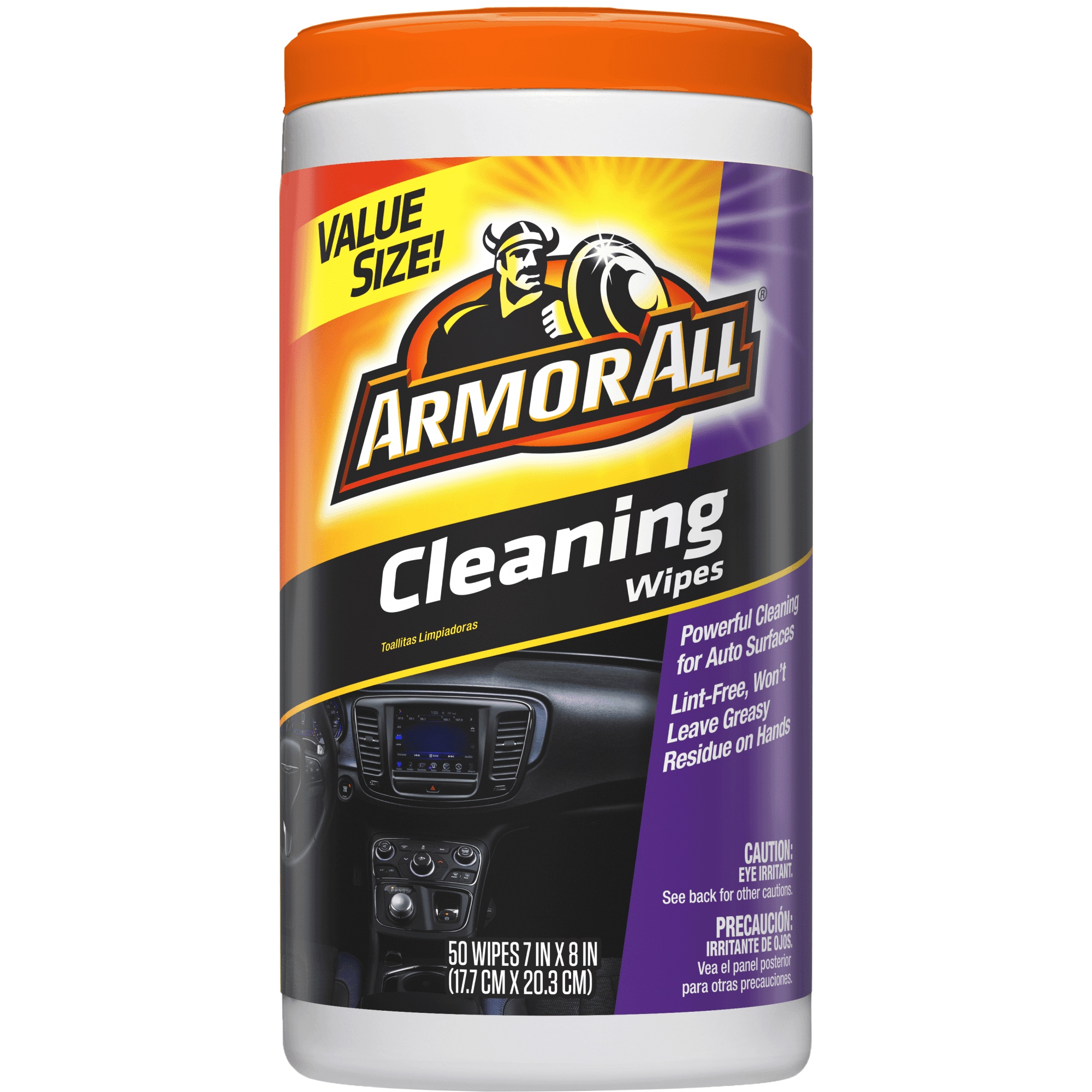
Yes, car cleaning wipes work well for light, fresh messes and quick maintenance. They can lift dust, skin oil, drink residue, sunscreen, and fingerprints from many sealed plastic, vinyl, and synthetic leather surfaces. Their cleaning power depends on the formula, the age of the stain, and the surface material.
Wipes are best viewed as a convenience tool. They help you clean a small area without setting up a bucket, hose, vacuum, and several towels. They are less effective on old grease, ground-in dirt, heavy mud, mold, stained cloth, tree sap, brake dust, and thick road film.
What car cleaning wipes can remove
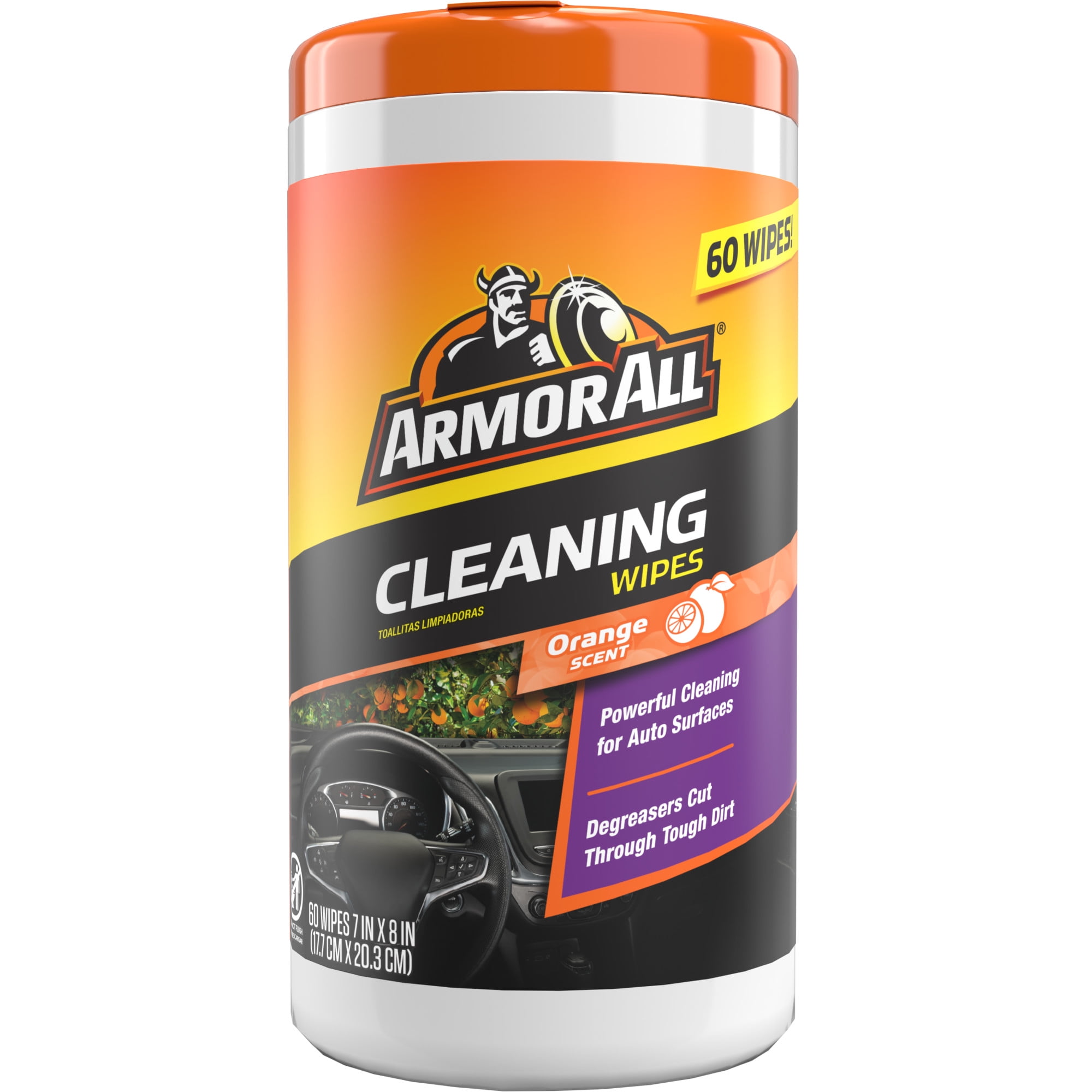
Most quality interior wipes can help with:
- Dust and light dirt
- Fingerprints and skin oil
- Coffee and soda residue
- Sunscreen marks
- Light food spills
- Pet nose marks
- Fresh mud on hard trim
- Smudges around door handles
- Light grime on steering wheels
- Dust on vinyl dashboards
Wipes usually work best when the mess is fresh. A fresh drink spill may come off with one or two passes. A stain that has dried for weeks may need a cleaner, soft brush, and microfiber towel.
What they cannot replace
Car cleaning wipes cannot perform every detailing task. They do not replace:
- A vacuum for carpet and seats
- A glass cleaner for clear, streak-free windows
- A pressure washer for wheels and tires
- A carpet extractor for deep fabric stains
- A leather cleaner and conditioner for real leather
- Car wash soap for exterior paint
- Clay treatment for bonded road contamination
- Wax or ceramic coating for paint protection
A wipe may make a dirty surface look better for a short time. It cannot repair cracked vinyl, faded plastic, torn leather, burned fabric, or peeling soft-touch coating.
How car cleaning wipes work
Car cleaning wipes contain a liquid cleaner held in a disposable cloth. The liquid may include water, mild detergents, solvents, surfactants, conditioners, or disinfecting agents. The cloth loosens the dirt, while the wiping motion transfers that dirt away from the surface.
The main difference between wipe types is the chemical formula. An interior wipe is designed to clean plastic, vinyl, and trim. A glass wipe aims to reduce streaks. A leather wipe may contain conditioners. An exterior wipe may include lubricants to reduce the risk of scratching light dust.

The role of the cloth
The cloth matters as much as the liquid. A thicker, textured wipe can lift more dirt. A smooth wipe may glide better over a glossy dashboard. Very thin wipes can dry out fast and may spread grime instead of trapping it.
Some wipes use a low-lint synthetic fabric. Others use plant-based fibers. A wipe that leaves lint can be frustrating on dark dashboards, piano-black trim, and screens. If a product label does not explain the material, check the current product page for details.
The role of cleaning chemicals
A wipe may use one or more of these cleaning agents:
- Surfactants that help lift oils and dirt
- Mild solvents that dissolve sticky residue
- Water that carries loosened dirt
- Conditioners that leave a soft feel
- Antimicrobial ingredients that reduce some germs
- Fragrance oils that add scent
More chemical strength does not always mean better cleaning. Strong solvents can stain plastic, dull trim, soften coatings, or dry natural leather. Use the mildest product that fits the job.
Quick facts about car wipes
The table below shows what common wipe types are designed to do. Always read the label and test an unseen spot first.
| Wipe type | Best use | Main limitation |
|---|---|---|
| Interior plastic and vinyl wipes | Dashboards, door panels, consoles | May leave shine or residue |
| Leather wipes | Finished leather seats and trim | Not suitable for all unfinished leather |
| Glass wipes | Windows and mirrors | May streak if the glass is very dirty |
| Disinfecting wipes | High-touch hard surfaces | Can dry or discolor some materials |
| Exterior detail wipes | Light dust and fingerprints | Not safe for heavy dirt or grit |
| Screen-safe wipes | Infotainment and gauge screens | Must not contain harsh solvents |
The best choice depends on the surface, not just the brand name. A truck owner may need stronger interior wipes for muddy door panels, while an EV owner may need screen-safe wipes for large displays.
Where wipes are safe to use
Car cleaning wipes are usually safe on sealed plastic, vinyl, and many synthetic surfaces when the label allows those materials. Common examples include door panels, hard center consoles, cup holders, and textured dashboard plastics.
Still, every vehicle uses different coatings. A soft-touch dashboard can react differently from hard plastic in an older sedan. Always confirm the product label and test a hidden area before cleaning a large section.

Hard plastic and vinyl
Hard plastic is one of the easiest car surfaces to clean with wipes. Use a wipe on door handles, lower dash panels, center consoles, and plastic storage bins. Follow with a dry microfiber towel if the surface feels wet or slippery.
Vinyl is also commonly compatible with interior wipes. However, some vinyl products leave a glossy finish. Many drivers prefer a low-shine finish because it reduces windshield glare.
Synthetic leather
Synthetic leather, often called leatherette or vinyl leather, can usually handle a mild interior wipe. Wipe gently along seams and stitching. Do not flood the seat, since liquid can enter seams and foam.
For white or light-colored synthetic leather, choose a product made for that material. Strongly colored wipes or harsh cleaners can cause uneven color or leave a visible film.
Finished leather
Finished leather has a protective top coat, but it still needs care. A leather-specific wipe can help remove light dirt and body oil. Avoid using a general disinfecting wipe unless the vehicle maker specifically approves it.
Real leather may dry, become stiff, or develop a dull patch if cleaned with the wrong solvent. Use a leather cleaner for routine care and a leather conditioner when the product instructions recommend it.
Touchscreens and glossy trim
Touchscreens need extra care. Use a screen-safe wipe or a clean microfiber cloth slightly dampened with approved cleaner. Never spray liquid directly onto the screen.
Piano-black trim shows fingerprints quickly, but it also scratches easily. Use a soft, clean towel and light pressure. A dirty wipe can drag grit across the surface and create fine marks.
💡 Pro Tip: Keep two small packs in the vehicle. Use one pack only for interior surfaces and the other for glass or exterior touch-ups. This reduces the chance of moving tire grime or grit onto your dashboard.
Surfaces that need caution
Use extra care on:
- Alcantara or suede-style trim
- Unfinished leather
- Cloth headliners
- Clear plastic instrument covers
- Aftermarket wraps
- Ceramic-coated interior trim
- Wood veneer
- Rubberized soft-touch coatings
- Heated and ventilated seat panels
- Factory-applied anti-glare screens
If the owner’s manual lists a special cleaning method, follow it. The manual takes priority over a generic wipe label.
Car cleaning wipes by vehicle type
The best car cleaning wipes depend on the vehicle’s interior design and daily use. A compact sedan used for commuting may need only light dust control. A work truck, family SUV, or rideshare vehicle may face food spills, mud, pets, and heavy hand contact.
Sedans and coupes
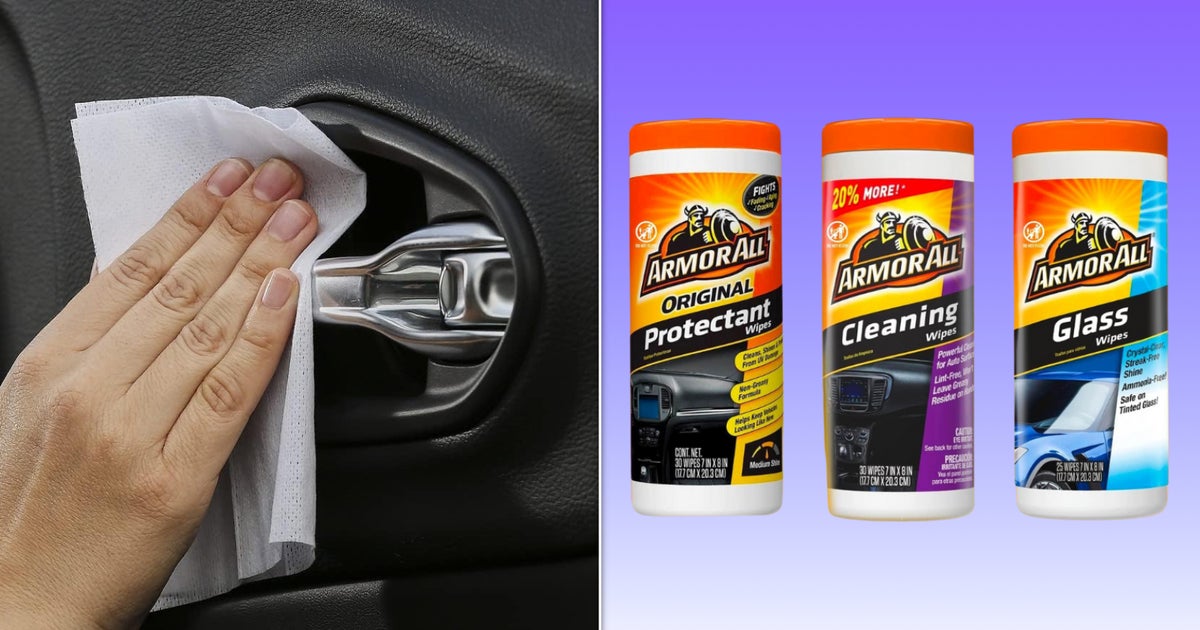
Sedans and coupes often have more fabric, leather, or soft-touch trim than work trucks. Choose a low-residue interior wipe for dashboards, door panels, and consoles. Keep glass wipes separate so you do not create haze on the inside of the windshield.
A small pack suits a commuter or gift buyer. It can stay in the glove box without taking much space.
SUVs and family vehicles
SUVs often carry children, pets, sports gear, and groceries. Look for wipes that work on hard plastic, vinyl, and synthetic leather. Parents may also want a separate pack of mild, fragrance-free wipes for surfaces that children touch.
Do not assume an automotive wipe is safe for toys, pacifiers, or food-contact surfaces. It is designed for vehicle materials, not for items that go into a child’s mouth.
Trucks and work vehicles
Trucks may collect dust, clay, grease, and mud. Interior wipes can handle light grime, but thick dirt should be removed with a vacuum and a dedicated cleaner. Wiping heavy grit across a door panel can create scratches.
For a truck owner, the best setup may include interior wipes, a stiff detailing brush, microfiber towels, and a small trash bag. A wipe alone will not replace those tools.
EVs and hybrids
EVs and hybrids often have large screens, glossy trim, synthetic leather, and delicate touch surfaces. Screen-safe wipes are important. Avoid excess liquid near charging controls, USB ports, speakers, and electronic switches.
Wipes do not affect battery range or motor output. They clean surfaces only. Be careful around the high-voltage system, and never remove battery covers or service panels for cleaning.
Older vehicles
Older cars may have brittle plastics, faded vinyl, cracked dashboards, or peeling coatings. A strong cleaner can make these issues worse. Start with a mild wipe and very light pressure.
If a surface is already flaking, no wipe can restore it. A trim repair specialist may offer a better solution than repeated cleaning.
The table below matches common vehicle needs with practical wipe choices.
| Vehicle or use case | Good wipe choice | What to avoid |
|---|---|---|
| Daily commuter sedan | Low-residue interior wipes | Heavy fragrance and oily shine |
| Family SUV | Plastic, vinyl, and synthetic leather wipes | Using one wipe for every surface |
| Work truck | Stronger interior wipes plus microfiber towels | Wiping thick grit while dry |
| EV or hybrid | Screen-safe and low-moisture wipes | Liquid near ports and controls |
| Older car | Mild, water-based wipes | Harsh solvents on brittle trim |
| Rideshare vehicle | Low-scent wipes for frequent touch points | Strong scent that passengers may dislike |
The right wipe is the one that matches the surface and the driver’s routine. A parent may value fast cleanup, while a detailer may prefer reusable microfiber and spray cleaner to reduce waste.
Wipes compared with other cleaning methods
Car wipes are convenient, but convenience is not the same as deep cleaning. A spray cleaner and microfiber towel can provide more control and less waste. A vacuum is better for loose dirt. A car wash is better for exterior grime.
The main difference between wipes and reusable tools is control. With a spray and towel, you choose how much product to use and where it goes. With a wipe, the cleaner is already applied and may dry before you finish.

Wipes versus microfiber towels
Microfiber towels are reusable and can trap dirt well. They are often the better option for enthusiasts who clean cars often. They also allow you to use a small amount of cleaner and switch to a dry towel for final wiping.
Wipes are faster for one small mess. They are more useful to a beginner, a parent, or a driver who wants an emergency item in the glove box.
Wipes versus spray cleaners
Spray cleaners usually come in formulas for plastic, leather, glass, fabric, or exterior paint. They can be more economical over many cleaning sessions. They also require a towel and more setup.
Wipes make sense when you need speed. Spray cleaners make more sense for regular detailing or large areas.
Wipes versus disinfecting wipes
Disinfecting wipes are tested for certain germ claims when used as directed. Automotive interior wipes may not make the same claim. Do not assume that a scented cleaning wipe disinfects a surface.
Disinfecting formulas can contain alcohol or other chemicals that dry leather and affect coatings. Use them only on approved hard surfaces, and follow the stated contact time.
Wipes versus a professional detail
A professional detail may include vacuuming, extraction, brushing, steam, glass cleaning, odor treatment, and paint care. Wipes cannot match that level of work.
A professional service can be worth the money before selling a vehicle, after a major spill, or when mold or smoke odor is present. Wipes are best for maintenance between deeper cleanings.
Pros and cons of car cleaning wipes
Car wipes offer a clear trade-off: speed and convenience in exchange for limited deep-cleaning power and more waste. The best product for a beginner may not be the best choice for a frequent DIY detailer.

| Advantages | Drawbacks |
|---|---|
| Ready to use | Can dry out in the package |
| Easy to store in a car | Creates disposable waste |
| Good for fresh spills | Weak on old or deep stains |
| No bucket or spray bottle needed | May leave residue |
| Useful for teen drivers and parents | One formula may not suit every surface |
| Fast for small areas | Can spread dirt if used after it becomes dirty |
| Often affordable | Ongoing cost can exceed reusable towels |
The biggest failure is using a wipe after it has picked up grit. Once the cloth is dirty, fold it to expose a clean section or discard it. Do not keep rubbing the same dirty wipe across a dashboard.
How to use car cleaning wipes correctly
The best way to use car cleaning wipes is to remove loose dirt first, work in small areas, and dry the surface afterward. This approach reduces streaks, residue, and fine scratches.

What you need
For a basic wipe-down, gather:
- The correct automotive wipes
- A clean microfiber towel
- A soft detailing brush
- A small trash bag
- A vacuum for loose dirt
- A second towel for glass or screens
- The vehicle owner’s manual for special materials
You do not need every item for a quick spill. The towel and correct wipe are the most important parts.
Step-by-step method
- Park in a shaded area. Hot surfaces can dry the cleaner too fast and leave marks.
- Remove loose objects. Take out trash, toys, papers, and floor mats.
- Vacuum loose grit. Pay attention to seams, cup holders, and door pockets.
- Read the wipe label. Confirm that it supports the surface you plan to clean.
- Test a hidden spot. Check for color change, stickiness, or dullness.
- Fold the wipe. A folded wipe gives you several clean sections.
- Clean a small area. Use light pressure and straight or controlled passes.
- Change sides often. Do not spread lifted dirt across the next panel.
- Dry with microfiber. Buff away moisture and residue.
- Inspect in normal light. Look for streaks, missed grime, or an oily finish.
- Seal the package. Close the lid firmly so the remaining wipes do not dry out.
- Wash your hands. This matters after using disinfecting or solvent-based products.
Cleaning high-touch areas
High-touch points include the steering wheel, gear selector, door handles, window switches, seat-belt buttons, and infotainment controls. Clean these areas often, but do not soak them.
A slippery steering wheel is a safety problem. After cleaning, wipe it dry and check that your hands have normal grip. Avoid glossy protectants on steering wheels, pedals, and gear selectors.
Cleaning glass
Use glass-specific wipes on the inside of windows and mirrors. Clean one section at a time. Follow with a dry, lint-free microfiber towel if you see haze.
Do not clean glass in direct sun. The product may evaporate before you can level it. Avoid household ammonia products on tinted windows unless the tint maker approves them.
Cleaning screens
Turn off the screen so fingerprints are easier to see. Use a screen-safe wipe with light pressure. Never allow liquid to pool at the screen edge.
Do not use paper towels. They can leave fibers and may create fine scratches on some glossy surfaces.
Common mistakes that make wipes less effective
Most problems come from the wrong product, too much pressure, or poor storage. A wipe cannot work well if it is dry, dirty, or used on a surface it was not designed to handle.

Using one wipe for the whole vehicle
A single general wipe may be safe on several hard surfaces, but it is not ideal for glass, screens, leather, and exterior paint. Cross-contamination is also a concern. Tire and wheel grime should never be moved onto interior trim.
Use separate products or towels for separate zones.
Wiping heavy dirt while dry
Dry grit acts like fine sandpaper. If a door panel has dried mud, loosen it with an appropriate cleaner and towel first. For exterior paint, wash the vehicle rather than dragging a wipe across it.
Exterior cleaning wipes are designed for light dust only when the product specifically states that use.
Applying too much pressure
Pressure does not make a cleaner stronger. It can push grit into a soft coating or create shiny spots on vinyl. Let the cleaner do the work, then repeat with a fresh wipe if needed.
Letting the product dry on the surface
Some formulas leave a film if they dry before being wiped off. Work in small sections and follow with a dry microfiber towel.
Cleaning in direct heat
A hot dashboard can cause rapid drying and uneven finish. Park in shade or clean during a cooler part of the day.
Ignoring the owner’s manual
Some manufacturers warn against alcohol, silicone, ammonia, or strong solvents on specific surfaces. Check the manual, especially for screens, leather, soft-touch trim, and special coatings.
Storing wipes badly
Heat can dry out wipes in a glove box or center console. Cold can change the texture of some formulas. Close the lid after every use and store the pack away from extreme heat when possible.
Using household wipes without checking
Household wipes may contain bleach, ammonia, alcohol, or strong fragrance. They may be fine for some hard plastic, but they can damage leather, screens, and coatings. Automotive use on the label is a safer starting point.
Problems and practical solutions
The table below covers common results after using car cleaning wipes. Most can be fixed without replacing the part.
| Problem | Likely cause | Practical solution |
|---|---|---|
| Sticky dashboard | Cleaner residue or conditioner | Wipe with a damp microfiber towel, then dry |
| Streaky glass | Wrong wipe or too much product | Use a glass wipe and a dry towel |
| Shiny steering wheel | Oily dressing | Clean with an approved interior cleaner and dry well |
| White marks on trim | Product dried on the surface | Re-wet lightly and remove with microfiber |
| Lint on black plastic | Low-quality cloth | Buff with a clean, low-lint towel |
| Faded or dull spot | Chemical reaction or worn coating | Stop use and seek material-specific advice |
| Smell remains | Odor source is deeper than the surface | Vacuum, clean fabric, and address the source |
| Wipe dries in pack | Poor seal or heat exposure | Replace the pack and store it closed and cool |
Do not add another chemical on top of a failed product without removing the first residue. Mixing cleaners can create more damage and may produce irritating vapors.
Are car cleaning wipes worth the money?
Car cleaning wipes are worth the money for drivers who value speed, portability, and quick spill control. They are especially useful for new drivers, parents, rideshare drivers, and anyone who keeps a small roadside kit.
They are less cost-effective for people who detail a vehicle every week. Reusable microfiber towels and concentrated cleaners usually provide more cleaning per dollar over time. The environmental cost also matters if you use many single-use wipes.

Price tiers and value
Current pricing ranges from low-cost basic packs to higher-priced specialty wipes. Check the latest listing for updated features, pack size, ingredients, and fitment or material information.
| Price tier | Usually includes | Best suited to |
|---|---|---|
| Budget | Basic interior wipes | Beginners and emergency cleanup |
| Mid-range | Thicker cloth or surface-specific formula | Families and regular commuters |
| Premium | Specialty leather, glass, screen, or coating-safe formula | DIY detailers and newer vehicles |
| Reusable setup | Microfiber towels plus spray cleaner | Frequent cleaners who want lower waste |
Pack size affects value. A cheap pack that dries out before use is not a good deal. Look for a secure lid, clear surface directions, and a cloth that does not tear easily.
What fails first?
The first failure is often the package seal. If the lid does not close, the liquid evaporates. The next common failure is the cloth itself. Thin material can tear or become saturated with dirt quickly.
On the vehicle, residue is the most common complaint. This is usually caused by overuse, heat, or a formula that does not match the surface.
Who should buy car cleaning wipes?
The best car cleaning wipes for beginners are simple, low-residue interior wipes with clear directions. A new driver does not need a large detailing collection. One interior pack, a microfiber towel, a tire pressure gauge, and a small roadside kit make a useful starting set.
For experienced DIYers, specialty wipes may be more useful. Screen-safe wipes, leather wipes, glass wipes, and coating-safe products can fill small gaps between full cleaning sessions. A detailer should still keep reusable towels and dedicated cleaners for large jobs.
For gift buyers and parents, choose a mild, low-scent product with a secure package. Add a small trash bag and microfiber towel. Teen drivers can use the kit after food spills or before giving friends a ride.
Good choices by driver type
| Driver type | Useful wipe setup | Why it fits |
|---|---|---|
| New driver | Interior wipes and one microfiber towel | Simple and easy to store |
| Parent | Interior wipes, leather-safe wipes, trash bags | Helps with frequent family messes |
| Teen driver | Low-scent wipes in the glove box | Handles quick cleanup without tools |
| DIY detailer | Glass, screen, and material-specific wipes | Supports precise maintenance |
| Work-truck owner | Interior wipes plus brushes and towels | Better for dust and light grime |
| EV owner | Screen-safe wipes and dry microfiber | Protects displays and controls |
| Rideshare driver | Low-residue, low-scent interior wipes | Better for frequent passenger contact |
No product suits every driver. Someone with suede trim should skip general wipes unless the label approves that material. Someone who needs deep stain removal should skip wipes as the main tool.
When wipes are not enough
Wipes are not the right answer for mold, strong smoke odor, body-fluid spills, heavy pet accidents, or deep fabric stains. These problems can reach foam, carpet backing, air ducts, or seat padding.
A professional detailer may need an extractor, steam system, odor treatment, or safe disinfecting process. If the spill involves hazardous chemicals, follow local disposal guidance and avoid breathing fumes.
Wipes also cannot fix warning signs such as a check engine light, airbag light, battery warning, or tire-pressure warning. Cleaning a dashboard does not repair a vehicle fault. Use an OBD2 scanner, which reads the vehicle’s onboard diagnostic data, only as a first step; follow up with proper repair advice.
Safety and environmental notes
Use wipes with ventilation when possible. Avoid contact with eyes and broken skin. Do not leave a used wipe on a hot dashboard, near a child, or where a pet can chew it.
Never use a wet wipe on electrical connectors, charging ports, fuse panels, airbag seams, or exposed wiring. For a spill near electronics, turn the vehicle off and follow the owner’s manual. If liquid entered a control module, seek professional help.
⚠️ Safety Warning: Do not use glossy dressing on the steering wheel, pedals, brake pedal area, floor mats, or gear selector. A slippery control surface can reduce grip and affect vehicle control.
Dispose of used wipes according to the product label. Do not flush them. Many wipes do not break down well in sewer systems, even when their packaging uses terms such as “flushable.” Keep chemical wipes away from drains, streams, and storm sewers.
🌿 Eco Note: For frequent cleaning, reusable microfiber towels and a refillable, surface-safe cleaner can reduce waste. Wash microfiber separately from greasy shop towels, and follow local rules for disposing of contaminated chemicals.
FAQs about car cleaning wipes
Q: Do car cleaning wipes work on dashboard dust?
A: Yes. Interior wipes can remove light dust, fingerprints, and skin oil from many plastic and vinyl dashboards. Use light pressure, avoid direct sun, and buff the area dry to reduce residue and shine.
Q: Can I use car wipes on leather seats?
A: Use a wipe labeled for finished automotive leather. A general interior or disinfecting wipe may dry or discolor leather. Test a hidden area first, and do not soak seams or perforations.
Q: Can car cleaning wipes remove stains from cloth seats?
A: They may help with a fresh, small spill on some fabric. They usually cannot remove deep stains. Blot rather than scrub, check the seat material instructions, and use a fabric cleaner or professional extraction for serious marks.
Q: Are car wipes safe for tinted windows?
A: Use a glass product that states it is safe for window tint. Avoid ammonia unless the tint maker approves it. Apply the product to the wipe instead of spraying near door panels or electronics.
Q: Can I use disinfecting wipes inside my car?
A: Only on surfaces approved by the vehicle maker and wipe label. Disinfecting chemicals can harm leather, soft-touch coatings, screens, and some plastics. Follow the required wet contact time, then dry the surface if directed.
Q: Do exterior car cleaning wipes scratch paint?
A: They can if used on heavy dirt, sand, or road grit. Exterior wipes are safer for light dust only when the label allows that use. For dirty paint, use a proper car wash with clean water, car wash soap, and microfiber tools.
Q: Can wipes remove tree sap or bird droppings?
A: A fresh bird dropping may soften with water and a safe towel. Tree sap and dried contamination may need a paint-safe remover. Do not scrape or rub hard, since that can mark clear coat.
Q: How long do car cleaning wipes last?
A: An unopened pack can last until the manufacturer’s stated date when stored correctly. After opening, heat and a poor seal can dry them much sooner. Close the lid tightly and check that each wipe remains moist before use.
Q: Are baby wipes safe for car interiors?
A: Baby wipes may clean some light dirt, but they are not designed for every automotive material. They can leave moisturizers or residue. Do not use them as a substitute for leather, glass, screen, or exterior paint products.
Q: Can car wipes clean a steering wheel?
A: A suitable interior wipe can remove light oil and grime. Wipe the wheel dry and check its grip before driving. Avoid silicone or oily dressings that leave a slick finish.
Q: Are car cleaning wipes safe for an EV?
A: They are generally safe on approved interior surfaces, but use low-moisture, screen-safe products near displays and controls. Keep liquid away from charging ports, switches, speakers, and electrical openings. Wipes do not replace professional service for high-voltage components.
Q: Do wipes remove germs from a car?
A: Only products labeled and tested for the stated germ claim can support that claim when used as directed. A general interior wipe cleans visible dirt but may not disinfect. Follow the product’s surface and contact-time instructions.
Q: What is better, car wipes or microfiber towels?
A: Wipes are faster and easier for small messes. Microfiber towels are usually better for repeated cleaning, large areas, lower waste, and precise control over product amount. Many drivers benefit from keeping both.
Q: Can I leave car cleaning wipes in a hot car?
A: Heat can dry the pack and may reduce product performance. Store wipes in a cool place when possible. If you keep them in a vehicle, close the lid firmly and check the condition before use.
Q: Are car cleaning wipes worth buying for a teen driver?
A: Yes, if the teen needs a simple way to handle food spills, fingerprints, and light dirt. Choose a low-scent interior wipe, add a microfiber towel, and teach the driver not to use wipes on pedals, glass without drying, or electrical openings.
Final advice
Car cleaning wipes work best as a fast maintenance tool, not as a complete detailing system. They are a smart choice for fresh spills, light dust, fingerprints, and high-touch hard surfaces. They are especially practical for beginners, parents, teen drivers, commuters, and rideshare drivers.
Choose the wipe by surface. Use leather wipes on approved leather, glass wipes on windows, screen-safe wipes on displays, and interior wipes on compatible plastic and vinyl. When dirt is heavy, use a vacuum, microfiber towel, proper cleaner, or professional detail instead.
The simplest good setup is one mild interior wipe pack, one clean microfiber towel, and a small trash bag. Store the pack sealed, test new products in a hidden area, and dry surfaces before driving. That routine keeps the cabin cleaner without turning a quick wipe-down into a costly repair.
Affiliate Disclosure: This article may contain affiliate links. If you buy a product through one of these links, we may earn a commission at no extra cost to you. Product availability, features, ingredients, and pricing can change, so check the current listing and manufacturer instructions before buying.