Detailing Spray Between Car Washes: Is It Safe?
detailing spray is generally safe to use between car washes, but only when the paint is lightly dusty and the product is used as directed. It is not a replacement for a proper wash. A quick detailer can remove fingerprints, fresh water spots, and light dust while adding gloss. It cannot safely lift heavy mud, road salt, sand, or greasy traffic film without raising the risk of scratches.
The key is to match the product to the job. Use a clean microfiber towel, work in small areas, and stop when the surface feels gritty. This simple habit can keep a daily driver, SUV, truck, hybrid, or EV looking clean without washing it every day.

Quick Answer: Is It OK to Use Detailing Spray Between Car Washes?
Yes, using detailing spray between car washes is OK when the vehicle has only light dust, fingerprints, or a few fresh spots. Spray the product onto a clean microfiber towel or a small part of the panel, then wipe gently in straight lines. Turn the towel often and use a second dry towel to buff the area.
Do not use detailing spray over thick dirt, mud, sand, bird droppings that have dried hard, or winter road salt. Those particles can drag across the clear coat and create fine scratches. In those cases, rinse or wash the vehicle first.

| Vehicle condition | Is detailing spray suitable? |
|---|---|
| Light dust or fingerprints | Yes, with a clean microfiber towel |
| Fresh water spots | Usually, if the surface is cool |
| Bird droppings | Yes, after soaking and softening them |
| Mud, sand, or road salt | No; wash or rinse first |
| Heavy road film | No; use a proper wash |
| Ceramic-coated paint | Usually, if the product is coating-safe |
The short rule is simple: detailing spray is for light cleaning, not heavy cleaning. If you can feel grit when you lightly glide a clean plastic bag over the paint, wash the car before using a quick detailer.
What Detailing Spray Does to Your Car’s Surface
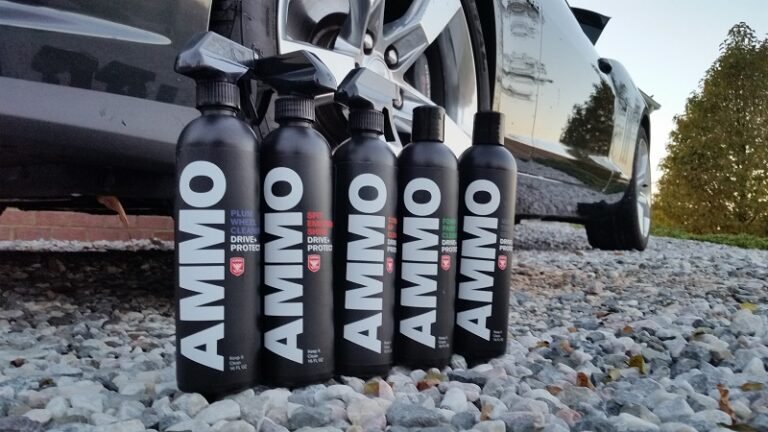
Detailing spray, also called quick detailer or spray detailer, is a light cleaning and gloss product. Most formulas contain lubricants that help a microfiber towel move over the paint. Some also contain wax, polymers, or ceramic additives that can leave temporary water resistance.
The product does not remove every kind of dirt. It mainly surrounds light dust and small surface particles so they can move into the towel with less friction. That lubrication is useful, but it is not magic. A dirty towel or rough wiping motion can still mark the paint.
Detailing Spray Versus Car Wash Soap
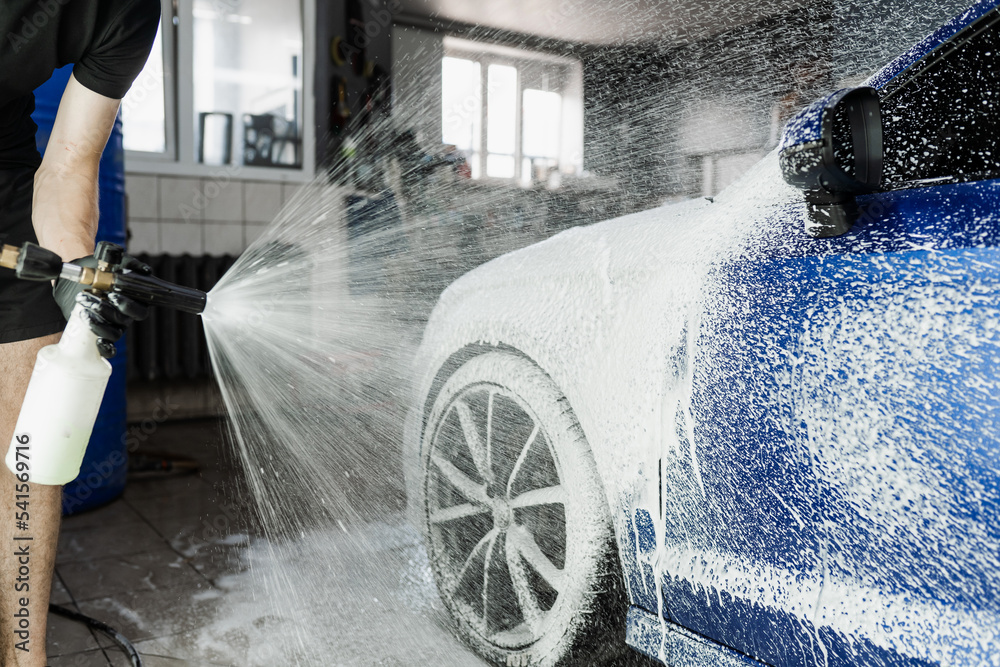
Car wash soap is made to mix with water and carry dirt away from the vehicle. A detailing spray uses far less water and relies on lubricants and a towel. The main difference between detailing spray and car wash soap is how much dirt each method can safely handle.
A wash gives you more cleaning power. A quick detailer gives you speed and convenience. Neither product should be used for every situation.
Detailing Spray Versus Spray Wax
Spray wax is designed to add a layer of wax protection. It may clean a very small amount, but its main job is protection and shine. Detailing spray is usually better for removing fingerprints and light dust.
Some products combine both functions. Read the label before buying. A product called “quick wax,” “ceramic detailer,” or “drying aid” may behave differently from a basic detail spray.
Detailing Spray Versus Waterless Wash
A waterless wash has more cleaning and lubrication than a basic quick detailer. It is intended for cleaning a larger section of a lightly dirty vehicle without a hose. It still has limits, but it is often the better choice when the car has more than dust but less than heavy grime.
A waterless wash can be useful for apartment dwellers, office parking lots, and road-trip stops. Follow the product’s towel and panel instructions. Some formulas require several towels for one vehicle.
| Product type | Main purpose | Best use |
|---|---|---|
| Quick detailer | Light dust and fingerprints | Small touch-ups between washes |
| Spray wax | Shine and temporary protection | A clean or nearly clean surface |
| Waterless wash | Light-to-moderate dirt removal | Full vehicle cleaning without a hose |
| Rinseless wash | Washing with limited water | Garage or driveway cleaning |
| Car wash soap | Full cleaning with water | Mud, salt, traffic film, and heavy dirt |
A beginner can start with a quick detailer and two quality microfiber towels. A DIY owner who often deals with dust or limited water may prefer a rinseless or waterless wash.
Which Vehicles and Paint Finishes Suit Detailing Spray?
Detailing spray can work on most factory-painted vehicles when the label allows it. That includes sedans, hatchbacks, SUVs, pickup trucks, vans, hybrids, and many EVs. The paint may be solid, metallic, pearlescent, matte, or covered by a clear coat, but the surface still needs the right product and technique.
Newer vehicles often have sensitive trim, gloss-black panels, cameras, sensors, and soft interior materials near the outside edges. Older vehicles may have thin or failing clear coat. Work gently on both types.

Clear-Coat Paint
Most modern vehicles use a clear coat over the color layer. This clear layer provides shine and some protection, but it is not scratch-proof. Repeated dry wiping with a dirty towel can cause swirl marks over time.
A detailing spray helps by adding lubrication. Use enough product to keep the towel moving smoothly, but do not flood the panel. More spray does not always mean better results.
Matte and Satin Paint
Matte paint and satin paint need special care. Standard waxes, polish, and some gloss-enhancing detail sprays can create uneven shine. That change may be difficult or impossible to reverse without repainting the panel.
Use a product that clearly states it is safe for matte or satin finishes. Do not rub hard to remove a spot. If the mark remains, ask a professional detailer who has experience with low-gloss paint.
Ceramic-Coated and Paint-Protected Vehicles
A ceramic coating is a protective layer that can change how water and dirt behave on paint. A coating-safe detailing spray may help remove light dust and refresh slickness. Avoid products with strong cleaners or waxes if the coating maker says not to use them.
Paint protection film, or PPF, also needs an approved product. Some films have a self-healing top layer that can react poorly to harsh chemicals or heat. Check the film maker’s care guide.
Trucks, SUVs, Hybrids, and EVs
Large SUVs and trucks have more surface area, so towel control matters. A small amount of grit spread over a large door can create many fine marks. Use more towels than you think you need.
Hybrids and EVs can be cleaned with the same paint-care methods as gas vehicles. The high-voltage system does not make exterior detailing spray unsafe by itself. Keep liquid away from open charging ports, damaged seals, and electrical connectors.
| Vehicle or finish | Product advice | Main caution |
|---|---|---|
| Daily-driver sedan | Basic quick detailer | Do not wipe heavy road film |
| SUV or truck | Waterless wash or detail spray | Use many clean towels |
| Matte paint | Matte-safe detailer only | Avoid gloss products |
| Ceramic coating | Coating-safe detailer | Follow coating care rules |
| PPF | Film-safe detailer | Avoid harsh solvents |
| EV or hybrid | Normal paint-safe product | Keep spray out of charging ports |
The best product for an older commuter car may not suit a new matte-finish sports car. Confirm the product’s use on your vehicle before applying it to the full body.
Best Detailing Spray by Vehicle and Driver Type
The right detailing spray depends on how and where you drive. A parent cleaning a minivan after school runs has different needs from a DIY owner maintaining a ceramic-coated truck. A gift buyer should choose a simple kit with clear instructions and good towels.
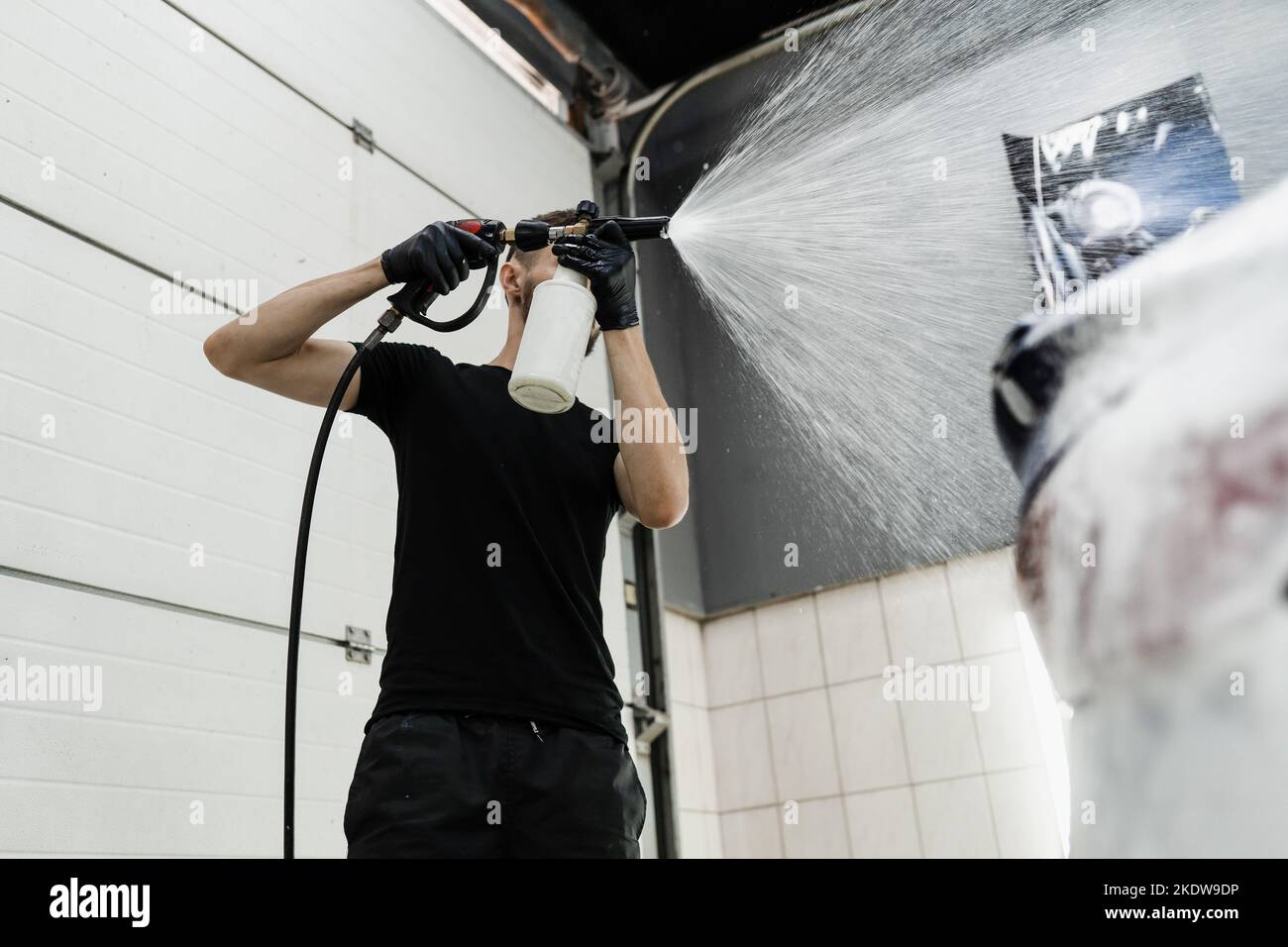
For Beginners and New Drivers
A basic, pH-neutral quick detailer is a good starting point. Look for a product that works on clear-coat paint and does not require special mixing. A bottle with a reliable trigger and a simple label helps reduce mistakes.
Pair it with several plush microfiber towels. One towel for a whole car is not enough. A new driver should use one towel for the upper panels, another for lower panels, and a dry towel for the final buff.
For DIY Detailers
Experienced owners may prefer a ceramic detail spray, polymer detailer, or waterless wash. These products can offer more slickness or water behavior, but they may require more careful preparation. They can also leave streaks if applied too heavily.
A DIY detailer should keep separate towels for paint, glass, wheels, and lower rocker panels. Never use a towel that touched brake dust on the hood.
For Parents and Gift Buyers
A simple car-care kit can be a useful gift for a teen driver. Choose a mild detail spray, four or more color-coded microfiber towels, a small trash bag, and basic care instructions. Avoid gift kits that include harsh wheel acid or products with unclear directions.
For a family vehicle, a spray detailer can help remove fingerprints, snack marks, and light dust between full washes. It will not replace a safe wash after winter driving or a muddy trip.
| Driver type | Suitable setup | Who should skip it |
|---|---|---|
| New driver | Mild detailer and plush towels | Anyone facing heavy dirt |
| DIY enthusiast | Detailer, waterless wash, towel set | Owners who dislike routine care |
| Parent or gift buyer | Simple labeled kit | Drivers with matte or specialty paint |
| Road-trip driver | Small bottle and sealed towels | Anyone storing it in extreme heat |
| Apartment resident | Waterless or rinseless wash | Vehicles covered in salt or mud |
A product is only useful if the driver will use it correctly. Simple tools often beat a complex kit that stays unopened in the garage.
How to Use Detailing Spray Without Scratching Paint
The safest way to use detailing spray is to reduce friction, limit the work area, and change towels often. Do not rush because the product looks easy. Most damage comes from wiping a dirty surface with a dirty towel.
What You Need
You do not need a pressure washer, foam cannon, or large tool set for a quick detail. You need clean towels and a shaded place to work.
| Item | Suggested amount or feature | Why it matters |
|---|---|---|
| Detailing spray | Paint-safe formula | Provides cleaning lubrication |
| Microfiber towels | Four to eight for a vehicle | Reduces dirt transfer |
| Dry buffing towel | Soft, clean, and plush | Helps remove streaks |
| Nitrile gloves | One pair | Protects hands from chemicals |
| Trash bag or towel bin | One | Keeps dirty towels separate |
| Light source | Shade or soft inspection light | Helps reveal streaks and dirt |
A larger SUV or truck may need eight or more towels. A small sedan with light dust may need four. Use less product and more clean towel surface.
Prepare the Vehicle
Park in shade and make sure the panels are cool. Direct sun can dry the spray too fast and leave streaks. Close windows and doors so dust does not blow onto wet product.
Look at the paint from several angles. If you see sand, dried mud, heavy dust, or salt crystals, stop. Rinse or wash first.
Use a Folded Towel
Fold a microfiber towel into quarters. This creates several clean sides. Spray the product onto the towel or onto a small section of the panel, based on the label.
Work on an area about 2 feet by 2 feet. Wipe in straight lines with light pressure. Avoid hard circles because they can spread grit in many directions.
Flip and Buff
After the first pass, flip to a clean side of the towel. Make a second light pass. Use a separate dry towel to buff away remaining haze or streaks.
Keep turning the towel. When all sides have touched the paint, place it in the dirty-towel bin. Do not put it back in your clean towel stack.
Inspect Before Moving On
Check the panel under natural light. Look for streaks, missed fingerprints, and areas that still feel gritty. If the surface remains dirty, do not press harder. Wash the panel instead.
Continue around the vehicle, working from the cleanest areas to the dirtiest. A good order is roof, hood, upper doors, trunk, lower doors, and rear bumper.
- Park in shade and let the surface cool.
- Remove loose debris by rinsing if needed.
- Shake the detailing spray as directed.
- Fold a clean microfiber towel into quarters.
- Work on a small panel section.
- Wipe lightly in straight lines.
- Turn the towel to a clean side.
- Buff with a second towel.
- Inspect the panel before continuing.
- Wash dirty towels separately from household laundry.
💡 Pro Tip: Keep a separate towel for each job. A blue towel for paint, a glass towel for windows, and a dark towel for wheels can prevent accidental cross-use. This small system helps beginners avoid one of the most common detailing mistakes.
How Often Can You Use Detailing Spray?
You can use detailing spray as often as needed for light fingerprints or small dust spots, but frequent use does not make washing unnecessary. The more often you wipe a dusty vehicle, the more chances you create to move grit across the clear coat.
For many drivers, a full wash every one to two weeks works well in mild weather. Use a detail spray between washes for small areas. Drivers in dusty regions, near construction, or on salted winter roads may need more frequent rinsing.
A Practical Care Schedule
Use the table below as a starting point. Weather, parking conditions, and road use may change the schedule.
| Driving condition | Detail spray use | Full wash need |
|---|---|---|
| Covered garage, mild weather | As needed for fingerprints | Every few weeks |
| Outdoor parking, light dust | One or two small touch-ups weekly | Every one to two weeks |
| Rain and road film | Limited spot use | Wash when film appears |
| Winter salt roads | Avoid dry wiping | Rinse and wash often |
| Dirt roads or construction zones | Avoid unless very light dust | Rinse or wash first |
| Long road trip | Spot clean only when safe | Wash after the trip |
The main takeaway is to judge the surface, not the calendar. A dusty car may be suitable for a quick detail. A car that looks only slightly dirty but carries fine sand may not be.
Detailing Spray in Different Seasons and Climates
Climate changes how safe and useful detailing spray can be. Heat dries product fast. Cold weather can make it hard to remove residue. Humidity can increase streaking, while winter salt raises the risk of paint damage.
Hot and Sunny Weather
Work in shade during the cooler part of the day. If the spray dries on the panel, add a small amount of fresh product and wipe gently. Do not let a wet towel sit on hot paint.
A sunshade can protect the dashboard while you work, but it does not keep the exterior cool. If the vehicle is too hot to touch comfortably, wait.
Cold Weather
Most products work best above the temperature listed on the label. In freezing conditions, water-based products may become difficult to spread. A frozen spray bottle can also crack or stop working.
Do not use warm water on frozen glass. Sudden heat can crack it. Use an ice scraper made for automotive glass and allow the defroster to work.
Humid or Rainy Weather
High humidity can make detail spray streak. Use smaller sections and a dry buffing towel. Do not apply the product just before rain if the label says the surface needs curing time.
Rainwater is not the same as a clean rinse. It can carry dust and pollution onto the paint.
Winter Salt and Road Grime
Road salt, brine, sand, and oily film should not be wiped away with a quick detailer. Rinse the vehicle first, especially around wheel wells, rocker panels, and the lower doors. A touchless wash can be a safer first step when the vehicle is heavily coated.
⚠️ Safety Warning: Never crawl under a vehicle during a wash or detail job. If you lift a car for any reason, work on level ground, use a properly rated jack and jack stands, and never rely on the jack alone. Wear eye protection and gloves when handling cleaners.
Where You Should Not Use Regular Detailing Spray
Paint-safe does not always mean safe for every surface. Many quick detailers work on glossy exterior paint but can leave marks on glass, rubber, matte trim, or screens. Read the label and test an unseen area first.
Glass and Mirrors
Some detail sprays contain wax or gloss agents that can smear on glass. Use an automotive glass cleaner for windshields, mirrors, and camera lenses. Keep product away from the driver’s view.
A dirty windshield can reduce contrast at night. If the glass feels oily after use, clean it before driving.
Matte Black Trim
Gloss products can create uneven patches on matte plastic. Use a trim-safe cleaner or a product made for matte surfaces. Avoid aggressive rubbing because textured trim can trap residue.
Wheels and Tires
Brake dust contains sharp metal particles. Do not use a paint detail towel on wheels after it touches the brake dust. Use a wheel cleaner and separate brushes or towels.
Tire dressing belongs on the tire sidewall, not on the tread. A slippery tread surface can reduce grip.
Screens and Interior Panels
Do not spray exterior detailer onto an infotainment screen, instrument panel, steering wheel, or pedal. Some formulas contain ingredients that can harm screen coatings or make steering wheels slippery.
Use a clean, barely damp microfiber towel for many interior surfaces, unless the manufacturer says otherwise.
| Surface | Regular detailing spray? | Better choice |
|---|---|---|
| Glossy clear coat | Usually yes | Paint-safe detailer |
| Windshield | Usually no | Automotive glass cleaner |
| Matte paint | Only if labeled safe | Matte-finish product |
| Tires | No | Tire cleaner and approved dressing |
| Brake wheels | Not as a main cleaner | Wheel cleaner |
| Dashboard screen | No | Screen-safe cleaner |
| Gloss-black trim | Often, with care | Clean paint-safe towel and mild product |
When in doubt, use the least aggressive product that fits the surface. A test spot takes a minute and can prevent a costly repair.
Common Mistakes That Cause Swirl Marks
Most swirl marks come from dirt control, not from the spray itself. The towel, pressure, surface temperature, and work area all matter.
Using One Towel on the Whole Car
The lower panels collect more grit than the roof. If you use one towel everywhere, you can carry that grit to the hood and doors. Use several towels and retire each one once it becomes dirty.
Wiping a Dry, Gritty Surface
A dry wipe has little lubrication. If the panel feels rough, stop and wash it. Detail spray cannot turn heavy dirt into safe dust.
Pressing Too Hard
Light pressure lets the product and towel do the work. Pressing hard can grind particles into the clear coat. If a mark does not lift with a light pass, it may need washing, clay treatment, or professional paint correction.
Using Household Paper Towels
Paper towels can be rough and may leave lint. They also do not hold dirt in the same way as a quality microfiber towel. Use towels made for automotive paint.
Applying Too Much Product
Too much spray can create streaks and waste product. It can also make the towel slide without picking up dirt. Follow the label and work in small sections.
Detailing in Direct Sun
Hot paint causes fast drying. This often leads to smears and extra wiping. Shade is one of the most effective “tools” in car care.
Mixing Products
Do not mix detailing spray with dish soap, bleach, household glass cleaner, or other chemicals. The blend may damage paint, trim, or your skin. Use each product as the maker directs.
| Mistake | What can happen | Better habit |
|---|---|---|
| One towel for the whole car | Dirt spreads across paint | Use several towels |
| Heavy pressure | Swirl marks | Wipe lightly |
| Large work area | Product dries or gets missed | Work in small sections |
| Dry wiping grit | Scratches | Wash or rinse first |
| Too much spray | Streaks and waste | Use a light, even amount |
| Dirty towel storage | Grit remains in fibers | Wash and dry towels correctly |
🔧 Quick Fix: If you notice a streak, do not keep rubbing the area dry. Add a small amount of the same product, use a clean towel side, and make one gentle pass. If the mark remains, wash the panel before trying again.
How to Wash and Store Microfiber Towels
Microfiber towels are reusable, but they need care. Wash them separately from greasy shop towels, cotton clothes, and items with zippers. Small debris can become trapped in the fibers and scratch paint later.
Use a mild liquid detergent. Avoid fabric softener and dryer sheets because they can coat the fibers and reduce absorbency. Dry towels on low heat or air-dry them in a clean place.
Towel Care Checklist
- Shake towels outdoors before washing.
- Separate paint towels from wheel and engine towels.
- Use a dedicated microfiber detergent or mild liquid detergent.
- Avoid bleach and fabric softener.
- Dry on low heat.
- Inspect each towel before paint use.
- Retire towels that feel rough or contain embedded grit.
- Store clean towels in a closed bin.
A towel may look clean but still hold fine brake dust. Color coding helps. For example, use light towels for paint and darker towels for wheels, tires, and engine areas.
Is Detailing Spray Worth the Money?
Detailing spray is worth the money for drivers who want quick touch-ups and already keep the vehicle fairly clean. It can save time between washes and help remove fingerprints before a meeting, road trip, or family event.
It is less valuable for a vehicle that is always muddy, heavily salted, or parked near a dusty work site. That driver may get more value from a hose nozzle, rinseless wash, wash mitt, drying towel, or access to a touchless car wash.
Typical Price Tiers
Product prices change by brand, size, and formula. Check the current listing for updated features, bottle size, and fitment to your paint type.
| Price tier | Usually includes | Best for |
|---|---|---|
| Budget | Basic spray bottle | Beginners and occasional touch-ups |
| Mid-range | Better lubricants or added protection | Regular DIY care |
| Premium | Specialty coating or finish support | Coated, luxury, or enthusiast vehicles |
A more expensive bottle does not remove the need for clean towels or safe technique. For many drivers, spending more on towels has greater value than buying the most advanced spray.
Lower-Cost Alternatives
A rinseless wash can clean more surface area with limited water. A regular wash with car soap is often the best value when the car is dirty. A damp microfiber towel may handle a single fingerprint, but it should not replace proper lubrication on dusty paint.
Do not use dish soap as a routine car wash. It can strip protection and may dry rubber or plastic over time.
Detailing Spray Compared With Other Car-Care Tools
A quick detailer is one part of a broader car-care system. It does not replace tire pressure gauges, wiper blades, floor mats, seat covers, phone mounts, or roadside kits. Clean paint matters, but safe operation matters more.
| Car-care item | Main job | Why it may matter more in some cases |
|---|---|---|
| Detailing spray | Light paint touch-ups | Helps maintain appearance |
| Tire pressure gauge | Checks tire pressure | Supports safe tire care |
| Tire inflator | Adds air | Useful during travel |
| Wiper blades | Clears rain and snow | Directly affects visibility |
| Phone mount | Holds a phone | Must not block the driver’s view |
| Roadside kit | Supports breakdown response | Helps with basic emergencies |
Drivers should handle a check engine light, weak car battery, damaged tire, or poor wiper blade before spending money on appearance products. An OBD2 scanner can read many diagnostic trouble codes, but it does not replace a mechanic’s diagnosis.
A jump starter, tire inflator, flashlight, and roadside kit may be better gifts for a teen driver than a premium ceramic detail spray. Parents should also check tire pressure, spare-tire condition, and emergency contact plans.
Safety, Storage, and Environmental Care
Detailing products are chemicals, even when they smell mild. Keep them away from children, pets, food, and direct heat. Store bottles upright and follow the label for ventilation and skin contact.
Do not leave aerosol products or liquid bottles in a hot vehicle for long periods. Heat can raise pressure, damage seals, or change the product. A garage shelf away from freezing temperatures is often better.
🌿 Eco or Disposal Note: Do not pour leftover detailing chemicals into a storm drain, creek, or soil. Follow the product label and local waste rules. Take larger amounts of automotive chemicals to a household hazardous-waste site when required.
Use a wash location that manages runoff when possible. Water carrying oil, brake dust, and cleaning chemicals should not flow into a storm drain.
📜 Check Local Laws: Some areas limit driveway washing because of water use or runoff. Check city or county rules before washing at home. The rules usually concern water discharge, not a small spot detail, but local requirements vary.
A Simple Between-Wash Detailing Routine
A short routine can keep a clean car presentable without overworking the paint. It also makes the task easy for new drivers and teens.
For a Small Spot
Use this method for a fingerprint, light dust patch, or fresh water mark:
- Move the vehicle into shade.
- Check that the surface is cool.
- Spray the product onto a clean towel.
- Fold the towel into quarters.
- Wipe the spot with light, straight strokes.
- Turn to a clean side.
- Buff with a dry towel.
- Stop if the area feels gritty.
For a Lightly Dusty Vehicle
A lightly dusty vehicle needs more care:
- Inspect the roof, hood, doors, and lower panels.
- Remove loose debris with air or a gentle rinse if possible.
- Start with the cleanest upper panel.
- Use a fresh towel for each section.
- Keep lower-panel towels away from upper paint.
- Change towels before they look heavily dirty.
- Clean glass with a glass-safe product.
- Wash the vehicle if the surface becomes difficult to wipe.
Do not try to make a dirty vehicle perfect with more spray. That approach increases wiping and raises the chance of marring.
When a Full Wash Is the Better Choice
A full wash is better when the vehicle has visible grime, road salt, oily film, mud, or fine sand. It is also the right choice after driving through construction zones, a storm, or a muddy trail.
Use a touchless wash if you need to remove heavy material without rubbing. A careful hand wash can provide better control, but it requires clean water, a wash mitt, proper car soap, and a safe drying method.
Signs the Surface Needs Washing
- The lower doors show dark road film.
- The paint feels gritty under a clean plastic bag.
- You can see sand or salt crystals.
- The vehicle has dried mud.
- Rain has mixed with dust and made spots.
- The towel becomes dirty after one small section.
- You need firm pressure to remove the mark.
- The spray leaves dirt trails instead of lifting cleanly.
A ceramic coating, wax, or paint sealant may make washing easier, but no protection layer makes paint immune to scratches. Protection helps; good technique still matters.
Frequently Asked Questions
Q: Can I use detailing spray every day?
A: You can use it for small clean spots every day, but daily full-car wiping is not ideal if the vehicle gathers dust or grit. Wash the car when dirt builds up. More wiping creates more chances for fine scratches.
Q: Does detailing spray scratch car paint?
A: The spray itself is designed to add lubrication, but scratches can happen if you wipe heavy dirt, use a dirty towel, or press too hard. Safe use depends on the surface, product, towel, and technique.
Q: Can I use detailing spray on a black car?
A: Yes, if the product is safe for clear-coat paint. Black paint shows dust and swirl marks more clearly, so use clean towels, shade, and light pressure. Inspect the finish before and after wiping.
Q: Can detailing spray remove bird droppings?
A: It can help soften fresh or dried droppings when used with a soaked microfiber towel. Let the product dwell for a short time as directed. Never scrape the dropping off dry.
Q: Can I use quick detailer after rain?
A: You can use it to remove light fresh spots after the vehicle dries, but rain may leave grit and road film. Inspect the surface first. If it feels dirty, wash instead.
Q: Is detailing spray safe for ceramic coating?
A: Many products are safe, but not every formula is compatible. Choose a coating-safe detailer and follow the coating maker’s care instructions. Avoid strong cleaners unless the label allows them.
Q: Can I use detailing spray on matte paint?
A: Only use a product labeled for matte or satin finishes. Standard gloss products may leave uneven shine. Test an unseen area and avoid polishing or hard rubbing.
Q: Can I use a detailing spray on glass?
A: Some can be used on exterior glass, but wax or gloss ingredients may cause streaks. An automotive glass cleaner is usually the better choice for windshields, mirrors, and cameras.
Q: How many microfiber towels do I need?
A: Four may work for a small, lightly dusty sedan, while an SUV or truck may need eight or more. Use separate towels for paint, glass, wheels, and tires. Change towels when they become dirty.
Q: Does quick detailer replace car wax?
A: Usually, no. Some detailers leave light protection, but they do not always provide the same durability as wax, paint sealant, or ceramic coating. Check the label for the product’s intended role.
Q: Can I use detailing spray on a truck with a ceramic coating?
A: Yes, if the product is approved for coated paint. Trucks collect more grit on lower panels, so use separate towels and avoid wiping heavy dust. Wash the truck when road film builds up.
Q: Is waterless wash better than detailing spray?
A: A waterless wash is usually better for more dirt and larger areas. A detailing spray is faster for fingerprints and light dust. Neither is the right choice for heavy mud, salt, or sand without rinsing.
Q: Can I use detailing spray in winter?
A: You can use it for light dust in suitable temperatures, but avoid wiping road salt and sand from dry paint. Rinse first. Follow the product’s temperature instructions and protect the bottle from freezing.
Q: Should I spray the product directly on the car or towel?
A: Either method may be correct. Spraying onto the towel gives better control near windows, trim, and seams. Spraying the panel can provide more coverage, but it may overspray nearby surfaces. Follow the label.
Q: Is detailing spray safe for EVs and hybrids?
A: Yes, paint-safe detailing spray can be used on EVs and hybrids like other vehicles. Keep liquid away from open charging ports, damaged seals, and electrical openings. Do not spray into connectors.
Q: Can detailing spray remove scratches?
A: No. It may hide very light marks temporarily if it contains gloss agents, but it does not repair clear-coat damage. Deeper scratches may need professional paint correction or refinishing.
Q: Should I use detailing spray before a road trip?
A: It can remove light dust and fingerprints before departure, but check the tires, fluids, lights, wiper blades, and tire pressure first. Roadside readiness matters more than a perfect shine.
Final Thoughts
Using detailing spray between car washes is a smart, low-effort habit when the surface has only light dust, fingerprints, or fresh spots. It suits beginners, busy parents, apartment residents, and experienced DIY detailers who want quick touch-ups.
The safe method is simple: use a paint-safe product, work in shade, choose clean microfiber towels, wipe lightly, and stop when the surface is gritty. For mud, sand, salt, heavy road film, or a neglected vehicle, wash first. A quick detailer can help maintain clean paint, but it cannot replace water, proper car soap, and careful washing.
For most drivers, the best investment is not the most expensive spray. It is a balanced kit with a suitable detailer, several clean towels, a safe wash plan, and enough knowledge to know when not to wipe.
Affiliate disclosure: This article may contain affiliate links. If you buy a product through one of these links, the publisher may earn a commission at no extra cost to you. Product availability, features, and current pricing can change, so check the latest listing and manufacturer instructions before buying.