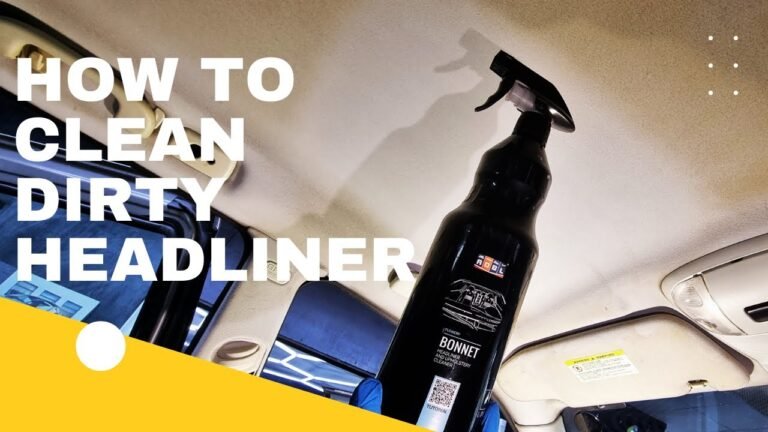
Are Interior Car Wipes Safe: Safe Cleaning Guide
Interior car wipes are usually safe for quick cleaning, but they are not safe for every surface, every vehicle, or every use. A wipe made for dashboards may leave stains on leather. A strong disinfecting wipe may dry out vinyl or damage a screen’s coating. The safest choice depends on the wipe’s ingredients, the material you are cleaning, and how often you use it.
For most drivers, interior wipes work well on hard plastic, vinyl, and sealed trim when the label allows those surfaces. They are less ideal for touchscreens, leather, suede, fabric, clear plastic, and areas near airbags. Used with care, they can remove dust, fingerprints, light oils, and small spills. Used carelessly, they can cause streaks, fading, stickiness, drying, or peeling.
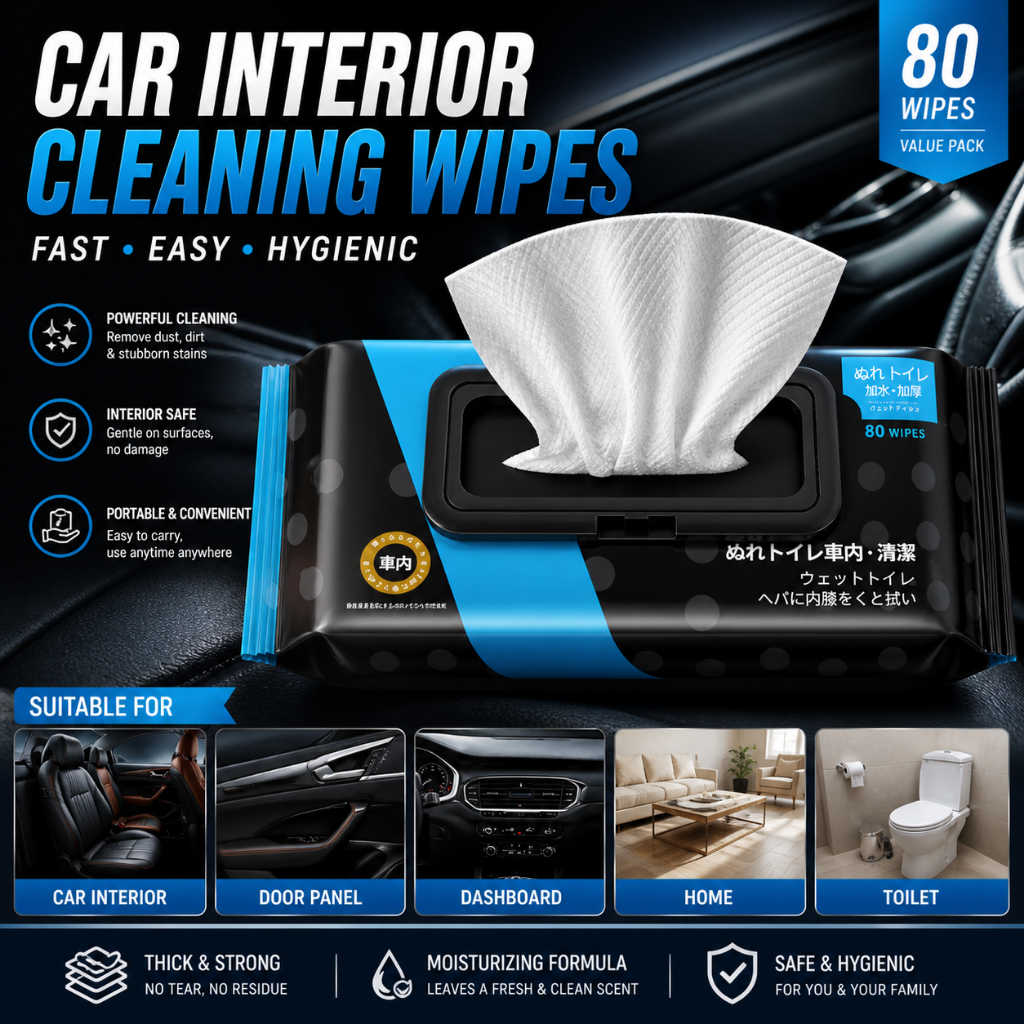
Quick answer: Are interior car wipes safe?
Interior car wipes are safe when they are designed for the surface you are cleaning and used as directed. They are best for light cleaning on dashboard plastic, door panels, vinyl, and sealed trim. Do not assume that a household disinfecting wipe, baby wipe, or glass wipe is safe for every car surface. Always check the label, test a hidden spot, and keep liquid away from screens, vents, switches, seat belts, and airbag covers.
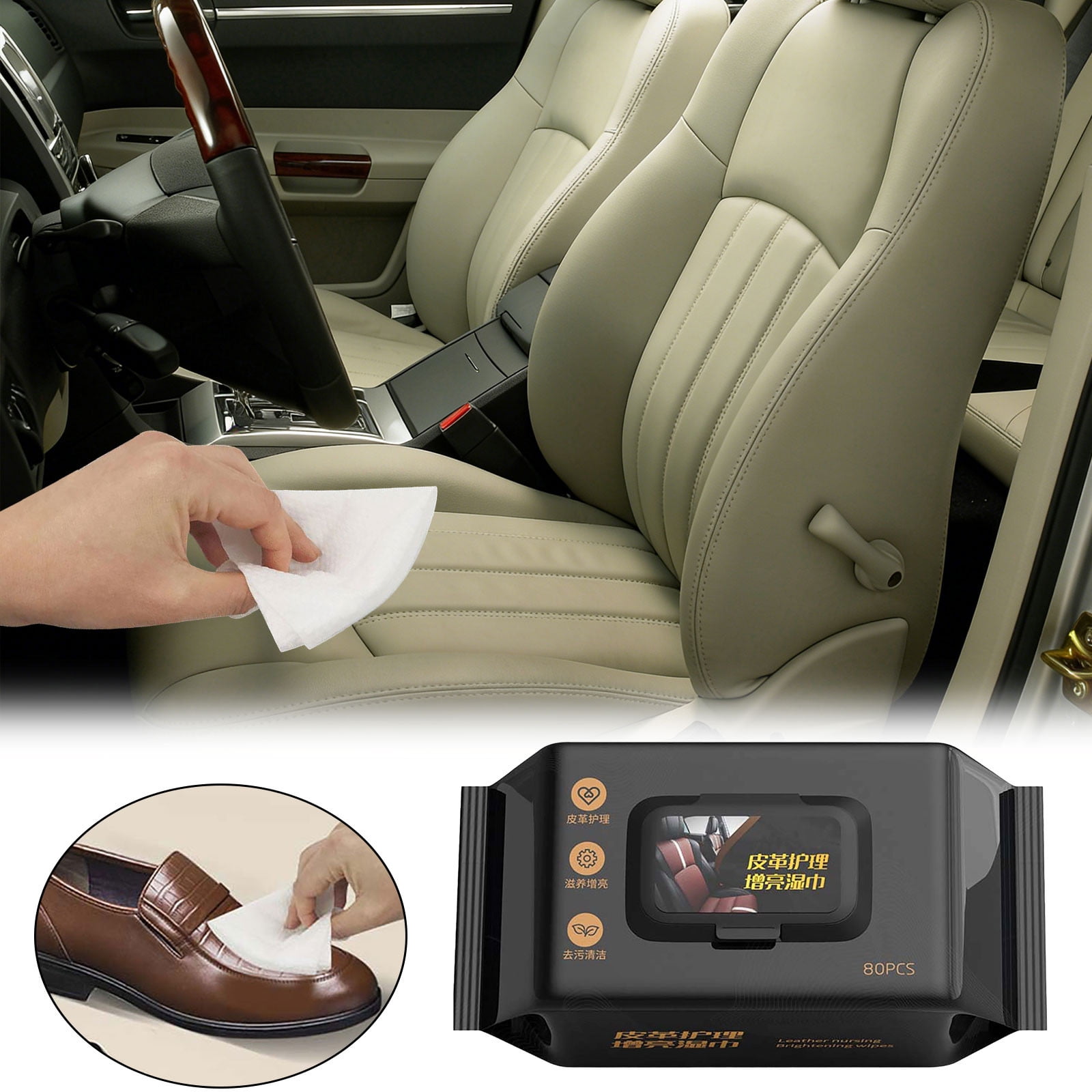
A good wipe should clean without leaving a greasy film. It should also avoid harsh solvents, heavy fragrance, bleach, ammonia, and excess moisture unless the product specifically calls for them. For a newer car, EV, hybrid, truck, or luxury vehicle, the owner’s manual remains the best source for surface care limits.
The short version for busy drivers
- Use automotive interior wipes on matching surfaces.
- Use a clean microfiber towel for screens.
- Use leather cleaner and conditioner for real leather.
- Avoid soaking any panel, seat, switch, or seam.
- Test the wipe in a hidden area first.
- Never wipe a hot surface in direct sun.
- Keep wipes away from the steering wheel’s airbag cover.
- Stop if the surface turns cloudy, sticky, pale, or shiny.
What interior car wipes are made to clean
Interior wipes are pre-moistened cloths with a cleaning solution. The solution may contain water, mild detergents, conditioners, antimicrobial ingredients, solvents, or fragrance. The cloth may be cotton, rayon, polyester, polypropylene, or a blend.
The main goal is to lift dust, skin oil, food marks, and road grime. Most wipes do not remove deep stains or repair damage. Think of them as a quick washcloth, not a full detail system.

Common surfaces in a car cabin
Most vehicles use several materials in one small space. A dashboard may combine textured plastic, soft-touch coating, painted trim, and a screen. A seat may include cloth, vinyl, leather, or synthetic leather. Each material reacts in its own way.
The table below shows the usual risk level for common surfaces. “Lower risk” does not mean “risk-free.” The product label and a hidden-spot test still matter.
| Interior surface | Wipe safety | Main concern |
|---|---|---|
| Hard plastic | Usually safe | Residue or dulling |
| Textured vinyl | Often safe | Cleaner trapped in texture |
| Soft-touch trim | Use caution | Coating can turn sticky |
| Real leather | Use leather wipes only | Drying or color change |
| Synthetic leather | Use a suitable wipe | Gloss or color change |
| Cloth seats | Spot-test first | Water rings or stains |
| Suede or Alcantara-style fabric | Usually avoid | Nap damage or dark marks |
| Touchscreens | Use screen-safe method | Coating damage or streaks |
| Clear gauge lenses | Use caution | Fine scratches or clouding |
| Seat belts | Avoid general wipes | Weakened webbing or poor retraction |
Hard plastic and vinyl are usually the easiest surfaces. They tolerate mild automotive cleaners better than porous or coated materials. A textured panel still needs a dry towel after cleaning so liquid does not sit in the grooves.
Why one wipe cannot safely clean everything
A wipe that removes grease from a steering wheel may be too strong for a navigation screen. A wipe that is gentle on leather may leave too much conditioner on a plastic panel. Some wipes also contain silicone or oils that create shine and slipperiness.
Shine is not proof of cleanliness. On a steering wheel, a slick film can reduce grip. On pedals, it can create a safety problem. On a seat, it can change how easily you slide during hard braking.
Which interior car wipes are safe for each material?
The safest method is to match the wipe to the material. Read both the “safe for” list and the “do not use on” list. If the package only says “all-purpose,” treat that as a starting point, not a guarantee.

Plastic dashboards and door panels
Automotive wipes labeled for dashboards, plastic, vinyl, or interior trim are usually suitable for these areas. Wipe a small section at a time. Follow with a dry microfiber towel if the label suggests buffing.
Avoid products that leave a thick, oily coating. That coating can attract dust and create glare on the windshield. It may also make the dashboard feel sticky in hot weather.
Vinyl and synthetic leather
Vinyl is common on door inserts, seats, dashboards, and floor-side panels. Many interior wipes can clean vinyl, but the surface may need a vinyl-safe product rather than a general household wipe.
Synthetic leather can look like real leather, but its top coating may react differently. Use a product that names synthetic leather, faux leather, vinyl, or leatherette on the label. Test first, especially on colored seats.
Real leather seats and trim
Real leather needs more care than plastic. Use wipes made for automotive leather, and choose a cleaner that matches the finish. Modern car leather often has a protective topcoat, but it can still dry, discolor, or become dull.
Do not use a rough wipe or scrub hard. Dirt can work like fine sandpaper when rubbed into leather grain. After cleaning, a suitable conditioner may help, but too much conditioner can make seats slick.
Cloth seats and carpet
Interior wipes are not the best tool for broad cloth areas. They can push dirt deeper, leave rings, or spread a stain. For a small mark, use a lightly damp cloth or fabric cleaner that is labeled for automotive upholstery.
Blot instead of rubbing. Work from the outside of the stain toward the center. Let the area dry with the doors open when conditions are safe.
Suede, microfiber, and Alcantara-style surfaces
These surfaces need special care. A general interior wipe may flatten the nap, leave a dark patch, or change the feel. Some steering wheels, seat centers, door panels, and headliners use a suede-like material.
Check the vehicle manual and the material maker’s care guide. In many cases, a clean, dry, soft brush or a barely damp microfiber towel is safer than a wet wipe.
Touchscreens, instrument panels, and clear plastic
Touchscreens often have an anti-glare or anti-fingerprint coating. A strong cleaner can damage that coating. Even a safe liquid can enter the edge of the screen if the wipe is too wet.
Use a dry or slightly damp microfiber cloth made for screens. Apply the cleaner to the cloth only if the screen maker allows it. Never spray directly on the display.
| Material | Safer cleaning choice | What to avoid |
|---|---|---|
| Plastic trim | Automotive interior wipe and dry microfiber | Heavy oil and bleach |
| Vinyl | Vinyl-safe interior wipe | Solvent-heavy household cleaners |
| Real leather | Automotive leather cleaner | Alcohol-heavy wipes and hard scrubbing |
| Cloth | Fabric cleaner and blotting towel | Soaking and rubbing |
| Screen | Dry screen microfiber | Direct spray and paper towels |
| Suede-style trim | Approved brush or material cleaner | General wet wipes |
| Seat belt webbing | Water-damp cloth if manual permits | Bleach, solvents, and soaking |
The safest rule is simple: if the material is soft, coated, porous, or expensive, use a product made for that material. This suits detail-minded owners and luxury-car drivers. A busy commuter with a basic sedan can still use budget wipes, but only on surfaces listed on the package.
Are disinfecting wipes safe for car interiors?
Disinfecting wipes can be safe on some hard, nonporous surfaces, but they are not automatically safe for a car interior. Many contain alcohol, quaternary ammonium compounds, hydrogen peroxide, or other active ingredients. These may remove germs, yet they can also dry leather, haze clear plastic, fade color, or weaken some coatings.

A disinfecting wipe may be useful after a sick passenger rides in the car. Use it only on surfaces that the product label allows. Then wipe away residue if the vehicle manual or product instructions call for rinsing.
Household wipes versus automotive wipes
Household cleaning wipes are made for materials such as sealed counters, sinks, and hard floors. Automotive wipes are usually formulated with interior plastics, vinyl, leather, and trim in mind. Neither category is safe for every surface.
Baby wipes are often mild, but they may contain lotion or oils. Those ingredients can leave a film on steering wheels, dashboards, and touchscreens. Glass wipes may contain ammonia or strong solvents, which can harm tint film, plastic, or coated displays.
| Wipe type | Good use | Main limitation |
|---|---|---|
| Automotive interior wipe | Plastic, vinyl, listed trim | May still harm screens or leather |
| Leather wipe | Real or synthetic leather if listed | Not ideal for dashboards |
| Disinfecting wipe | Approved hard, nonporous areas | Can dry or fade surfaces |
| Baby wipe | Very light dust or spot cleanup | May leave lotion residue |
| Glass wipe | Approved interior glass | May harm tint, plastic, or screens |
| Makeup remover wipe | Generally not recommended | Oils and cosmetic ingredients |
| Microfiber plus water | Light dust and fingerprints | Limited germ removal |
Can you use Clorox or Lysol wipes in a car?
Some drivers use household disinfecting wipes on hard plastic and door handles. This may be acceptable if the label permits the surface and the wipe does not leave a harmful residue. It is not a good general method for leather, screens, soft-touch trim, fabric, steering wheels, or clear gauge lenses.
Do not mix products. For example, do not follow a disinfecting wipe with ammonia glass cleaner. Chemical residue can combine or spread to surfaces that should stay dry.
⚠️ Safety Warning: Never use a wet wipe on pedals, the steering wheel, gear selector, or seat belt without checking for residue. A slick or weakened surface can affect vehicle control or restraint performance.
What ingredients should you avoid?
The ingredient list can tell you more than a bright label. You do not need to recognize every chemical, but several warning signs are worth knowing. If a product has no clear surface list or directions, choose a different one.

Ingredients that may cause problems
- Bleach: Can discolor fabrics, damage finishes, and corrode some metals.
- Ammonia: May harm tint film, plastics, and certain coatings.
- Strong alcohol: Can dry leather and affect soft-touch finishes.
- Acetone or ketones: Can soften or strip plastic coatings.
- Heavy solvents: May fade color or dissolve trim finishes.
- Silicone-heavy dressing: Can create glare and a slippery film.
- Strong fragrance oils: May leave residue and bother sensitive passengers.
- Abrasive powders: Can scratch clear plastic and glossy trim.
Not every product with alcohol is unsafe. Some screen cleaners use small amounts of alcohol and are designed for that job. The key is the full formula, the surface label, and the amount of moisture.
Why pH matters
pH describes how acidic or alkaline a cleaner is. A near-neutral cleaner is often gentler for routine interior work. A very acidic or alkaline product may cut heavy grime, but it can also affect coatings, color, and natural leather.
A product does not need to advertise a perfect pH to be useful. Look for a clear automotive use case and simple directions. Stronger is not always better inside a car.
How to use interior car wipes without causing damage
Correct technique matters as much as the wipe. A safe product can still cause trouble if you press hard, leave liquid in a seam, or clean a hot panel. Work slowly and use separate towels for dirty and finished areas.
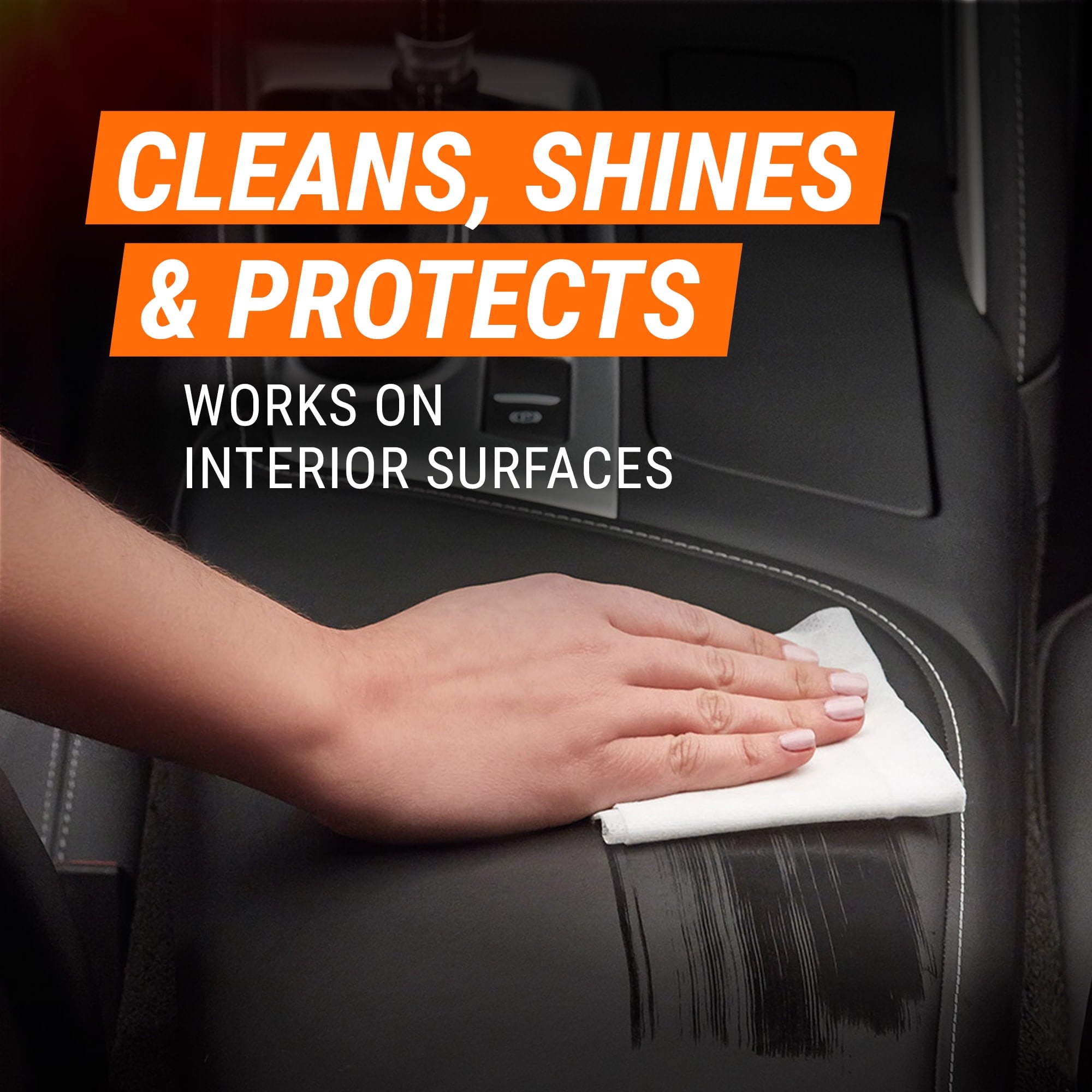
A safe cleaning process
- Park in shade. Let hot surfaces cool before cleaning.
- Read the label. Confirm the surface is approved.
- Remove loose dust. Use a soft brush or dry microfiber towel.
- Test a hidden spot. Check for color change, haze, or stickiness.
- Wipe a small area. Use light pressure.
- Avoid seams and openings. Keep liquid away from vents and switches.
- Buff with a dry microfiber towel. Remove extra moisture and residue.
- Check the finish. Look for streaks, gloss, or a slippery film.
- Let the cabin air out. This helps remove moisture and fragrance.
- Store wipes sealed. A dry pack can scratch because the cloth becomes rough.
The best way to clean a dashboard is to use the least moisture needed. A damp wipe is better than a wet one. If the wipe leaves a greasy layer, stop using it on that surface.
Where not to use a wet wipe
Avoid wet wipes on or inside:
- Airbag covers and airbag seams
- Speaker grilles
- Defroster vents
- USB ports and charging sockets
- Steering-wheel controls
- Window switches
- Seat-belt retractors
- Pedals
- Camera lenses
- Open seams around touchscreens
- Heated or ventilated seat perforations
If liquid enters an electronic switch, do not repeatedly press the switch. Turn the vehicle off, let the area dry, and seek help if the control acts strangely.
Microfiber towels still matter
Microfiber has very fine fibers that lift dust and oils with less scratching than many paper towels. Keep several colors or sets for different jobs. One towel can clean glass, another can handle dirty plastic, and another can buff leather.
Wash microfiber towels separately from oily shop rags. Skip fabric softener, which can reduce the towel’s cleaning ability. Replace towels that feel rough or contain trapped grit.
💡 Pro Tip: Fold a microfiber towel into quarters. Turn to a clean section after each small area. This keeps lifted dirt from being rubbed back into the trim.
When can interior wipes damage a car?
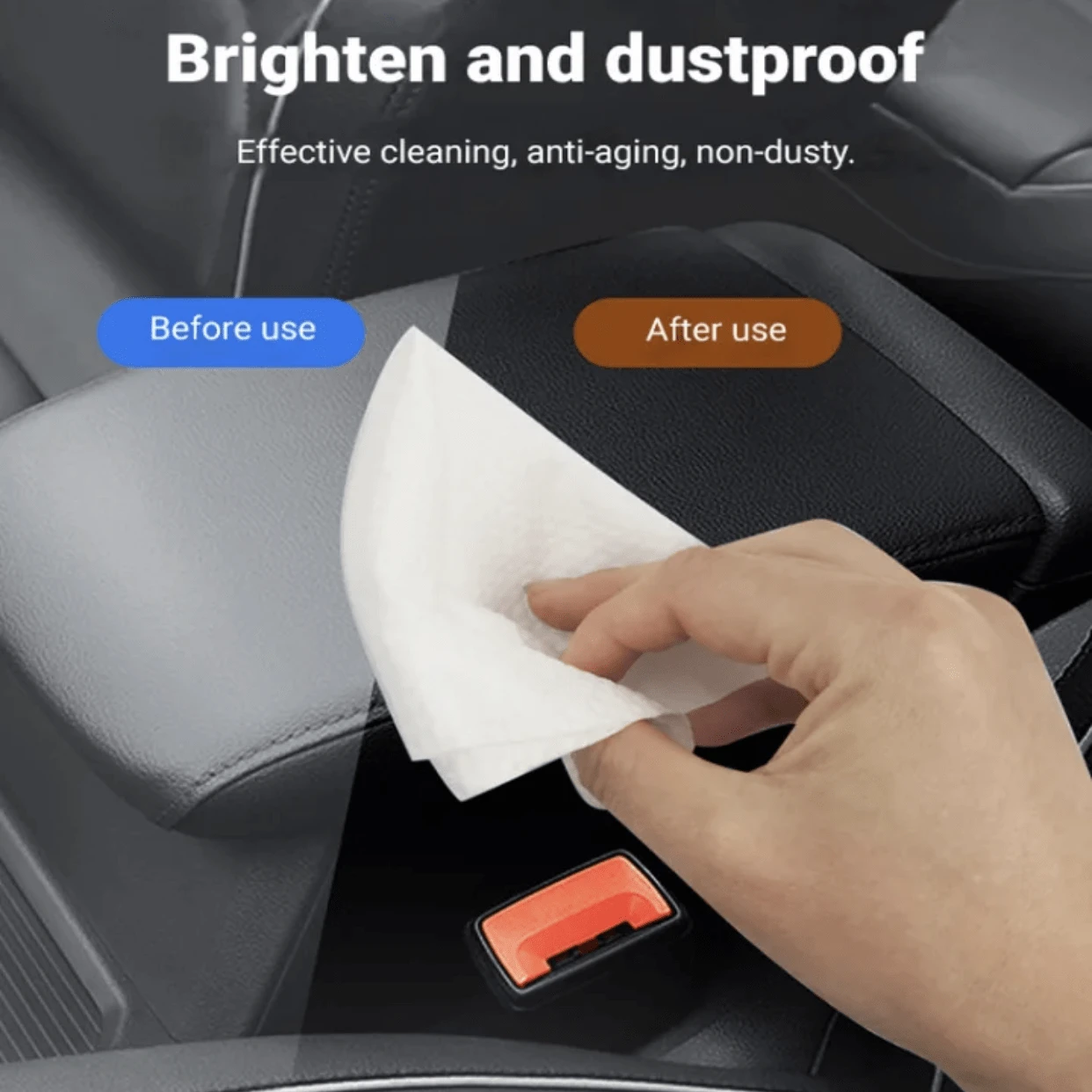
Damage usually appears as a finish change rather than a dramatic failure. The surface may become dull, shiny, sticky, pale, cracked, or cloudy. Some problems show after repeated use, especially in strong sun or high heat.
Common problems and practical fixes
| Problem | Likely cause | What to do |
|---|---|---|
| Sticky dashboard | Residue or coating breakdown | Stop the product; clean gently with approved cleaner |
| Cloudy screen | Wrong chemical or excess moisture | Use a screen-safe cloth; seek maker guidance |
| White marks | Cleaner drying in texture | Wipe with a barely damp microfiber towel |
| Faded trim | Harsh chemical or sun exposure | Stop use; consult a detailer |
| Greasy steering wheel | Dressing or lotion residue | Clean with a suitable mild product and buff dry |
| Water ring on cloth | Too much liquid | Blot, dry, and use fabric cleaner if needed |
| Leather feels dry | Strong cleaner or heat | Use leather-specific care |
| Streaked glass | Residue or dirty towel | Use clean glass microfiber and proper glass cleaner |
If a panel turns sticky, do not scrub harder right away. Aggressive rubbing can remove more of the original finish. Start with a clean, slightly damp microfiber towel and check the owner’s manual.
Soft-touch coating failure
Many dashboards and door panels use a rubberized or soft-touch coating. Age, heat, skin oils, and chemical exposure can make it tacky. Once the coating breaks down, a wipe may reveal the problem rather than cause it.
Older cars may have this issue on switches, door handles, and center consoles. If the material has started to dissolve, cleaning will not restore the original coating. A trim repair shop may be the better choice.
Leather drying and cracking
Leather does not need to look wet to be clean. Repeated use of strong alcohol or detergent can remove oils from the surface. Heat from a windshield, summer sun, or a seat heater can speed the problem.
Use a leather-safe cleaner at sensible intervals. Keep the cabin shaded with a sunshade when parked. Avoid placing a hot laptop or heavy object on leather seats for long periods.
Are interior wipes safe for steering wheels and airbag areas?
A steering wheel needs special care because it is a control surface. It should remain clean but not slick. Use a wipe approved for the wheel’s material, then buff it dry with a clean towel.
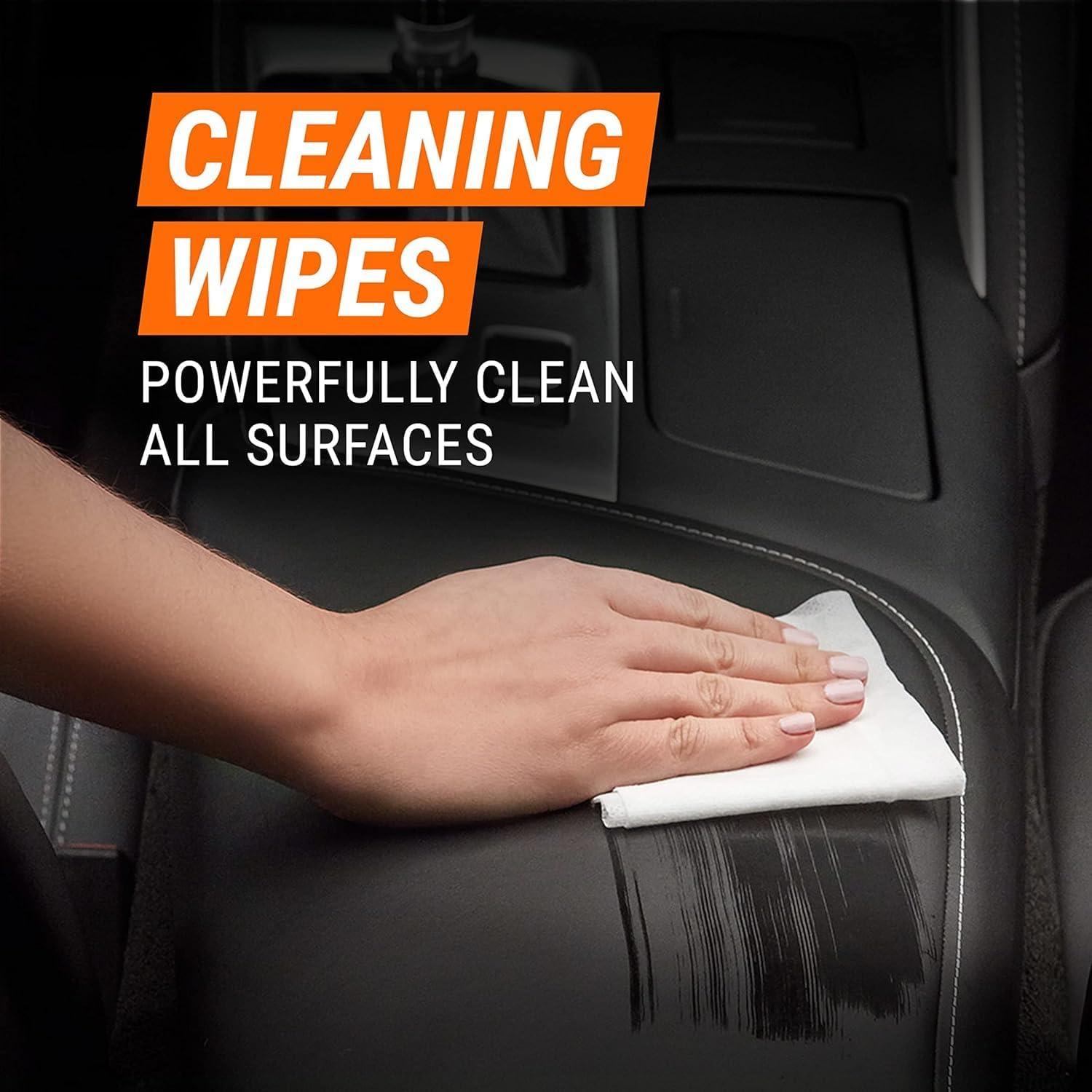
The center of the wheel often contains the driver airbag. Do not soak, scrub, or press hard on the airbag cover. Avoid spraying any cleaner near the cover, seams, horn pad, or steering-wheel controls.
Why a slippery steering wheel is a real risk
A glossy dressing can feel smooth but reduce grip. This matters during a sudden lane change, evasive move, or emergency stop. The same concern applies to the gear selector, pedals, and parking-brake handle.
For teen drivers and new drivers, a matte, dry finish is the better target. Parents buying a car-care kit should choose a mild interior cleaner, microfiber towels, and a small trash bag rather than a high-shine dressing.
Seat belts need a different approach
Seat belts are safety restraints, not ordinary trim. Do not soak the webbing or use bleach, solvents, abrasive cleaners, or oily products. These may affect the material or leave residue that changes how the belt moves.
If a belt is dirty, follow the vehicle manual. A lightly damp cloth and mild soap may be allowed for some vehicles. Let it dry fully before use, and never remove or alter the belt system as a cleaning shortcut.
⚠️ Safety Warning: If a seat belt is frayed, cut, stuck, or slow to retract, have it inspected. A wipe cannot repair a restraint. For airbag or seat-belt faults, use a qualified repair shop.
Do interior wipes kill germs?
Some disinfecting wipes are designed to reduce certain germs on approved hard surfaces. Regular automotive wipes mainly remove dirt and oils. They should not be treated as disinfectants unless the label makes that claim and provides directions.

Cleaning high-touch points can still be useful. Focus on door pulls, window switches, the steering wheel, gear selector, start button, and armrests. Use enough contact time for the product to work, but do not leave wet residue on a surface that should stay dry.
Cleaning after illness
After a passenger has been sick, first remove visible soil with a suitable cleaner. Then use a disinfectant approved for that surface. Follow the label’s wet-contact time, which is the amount of time the surface must remain visibly wet.
Ventilate the car. Do not combine cleaners. Wash your hands after handling used wipes, and place them in the trash unless local guidance says otherwise.
Cleaning after food spills
Food residue often contains sugar, grease, and protein. A general wipe may lift the surface layer but leave odor behind. Blot the spill, use a fabric-safe cleaner when needed, and dry the area well.
For milk or other organic spills, fast action matters. Moisture that reaches seat foam or carpet padding can create a lasting smell. A professional detailer may be needed if the odor remains after drying.
Interior wipes versus other cleaning methods
Wipes are convenient, but convenience is not the same as the best finish. A microfiber towel, vacuum, brush, and material-specific cleaner often do a better job. The right setup depends on your vehicle and your time.

Comparing common car interior cleaning options
| Method | Best for | Drawback |
|---|---|---|
| Interior wipes | Fast touch-ups | Can leave residue |
| Damp microfiber towel | Dust and light marks | Limited stain removal |
| Spray cleaner and towel | Full plastic cleaning | Requires more control |
| Leather cleaner | Leather seats and trim | Not for all materials |
| Fabric cleaner | Cloth and carpet spots | Can leave moisture |
| Steam cleaning | Deep detail work | Heat and moisture risk |
| Professional detail | Heavy soil and odors | Higher cost |
Wipes suit commuters, parents, and drivers who keep a small kit in the trunk. A DIY detailer may prefer concentrated cleaner, brushes, a vacuum, and multiple microfiber towels. A gift buyer should choose simple products with clear labels and low risk.
A basic interior kit for beginners
A useful starter kit can include:
- Interior wipes for plastic and vinyl
- Four or more clean microfiber towels
- A soft detailing brush
- A small vacuum or crevice tool
- Leather cleaner if the seats need it
- Screen-safe cloth
- A small trash bag
- Nitrile gloves for dirty work
You do not need a pressure washer, OBD2 scanner, jump starter, tire inflator, or torque wrench for routine interior cleaning. Those tools serve other jobs. Buy them when your actual driving needs call for them.
Are interior car wipes worth the money?
Interior wipes can be worth the money when speed matters. They fit in a glove box, do not require a spray bottle, and can clean a small mess before it dries. They are useful for road trips, family vehicles, work trucks, and rideshare cars.

They are less valuable when you need deep cleaning or want to protect delicate materials. In that case, a material-specific cleaner and washable microfiber towels may cost less over time and give better control.
Price tiers and who they suit
Current pricing ranges from low-cost multipacks to premium material-specific kits. Check the latest listing for updated features, ingredients, package size, and fitment of the intended surface.
| Price tier | What you may get | Best suited to |
|---|---|---|
| Budget | Basic interior wipes | New drivers and quick cleanups |
| Mid-range | Better cloth, lower residue, clearer surface list | Families and daily commuters |
| Premium | Leather, screen, or finish-specific products | DIY detailers and luxury interiors |
A budget wipe is not automatically poor. It may be the right choice for a work truck with hard plastic trim. A premium leather wipe may be worth more for a vehicle with leather seats, but it does not make sense if the cabin is mostly cloth.
What fails first?
The wipe itself can dry out if the lid does not seal. The cloth may also tear or become rough near the bottom of the pack. On the vehicle, residue and finish change are more common than instant damage.
Keep the package closed. Do not store it on a hot dashboard or in a truck bed. Heat can dry the solution and shorten shelf life.
Best interior wipes by driver and vehicle type
The best interior wipe depends on the driver’s habits, not just the brand. A parent with young children has different needs from a weekend truck owner or an EV driver with large glossy screens.

For beginners and new drivers
Choose a mild automotive wipe with a clear list for plastic and vinyl. Add a screen-safe microfiber cloth. Avoid glossy dressings, strong disinfectants, and products with unclear instructions.
This setup is simple and hard to misuse. It suits a first car, older sedan, compact SUV, or basic hybrid with standard plastic trim.
For experienced DIY detailers
A detailer may skip general wipes and use separate products for leather, screens, glass, fabric, and plastic. This gives better control and reduces cross-contamination.
Use a vacuum, detailing brushes, soft microfiber towels, and a low-residue cleaner. For a truck or SUV, keep extra towels because dirt from floor mats and cargo areas can spread quickly.
For parents and gift buyers
Look for a sealed pack, mild odor, simple directions, and a material list. A small interior kit is a useful gift for a teen driver, especially when paired with a trash bag, microfiber towels, tire pressure gauge, and roadside kit.
Do not give a teen a high-strength chemical cleaner without clear instructions. Keep cleaning products away from children and pets.
👪 Parent or Gift-Buyer Note: For a teen’s first car, choose a matte-finish interior cleaner and show them how to clean the steering wheel without leaving it slick. A clean cabin is helpful, but safe vehicle control matters more than shine.
For EV and hybrid owners
EVs and hybrids often have large screens, glossy trim, synthetic leather, and electronic controls. Use less liquid than you would on a basic plastic dashboard. Never spray near charging controls, USB ports, display edges, or drive selectors.
The same rule applies to gasoline cars with advanced driver displays, dash cams, phone mounts, and digital instrument panels. Electronics reward careful, low-moisture cleaning.
For trucks, SUVs, and work vehicles
Trucks and SUVs often carry mud, tools, pets, and outdoor gear. Wipes are useful for quick cleanup, but they cannot replace vacuuming and proper floor-mat washing.
Use a tougher but still approved cleaner on hard plastic. Remove floor mats before deep cleaning. Let them dry fully before reinstalling them so moisture does not stay under the carpet.
Common mistakes that make wipes unsafe
Most interior wipe problems come from using the wrong product or too much of it. Drivers often rush because the cabin is small, but small areas can hold a lot of residue.

Avoid these mistakes:
- Using one wipe on every surface. Screens, leather, fabric, and plastic need different care.
- Cleaning in direct sun. Heat dries chemicals before you can buff them.
- Spraying the wipe or cleaner near electronics. Liquid can enter seams and switches.
- Scrubbing a stain hard. Friction can damage coatings and spread the mark.
- Leaving a wet film. Residue attracts dust and may create glare.
- Using a dirty towel. Grit can scratch glossy trim.
- Ignoring the owner’s manual. Some materials have special limits.
- Cleaning pedals with dressing. A slick pedal is a safety risk.
- Using glass cleaner on screens. The formula may harm the display coating.
- Mixing cleaners. Chemical combinations can create fumes or surface damage.
What to do if a wipe causes a mark
Stop using the product. Do not apply a stronger chemical to “cancel it out.” Wipe the area with a clean, slightly damp microfiber towel if the material allows it, then dry it.
Take a photo of the label and affected area. If the panel remains sticky, cloudy, or discolored, ask the vehicle maker, product maker, or a professional detailer for guidance. Some finishes cannot be restored with home cleaning.
How often should you use interior car wipes?
Use wipes when the surface is visibly dirty or after a spill. There is no need to wipe the whole cabin every day. Frequent wiping with a strong cleaner can cause more wear than occasional gentle cleaning.

A light-use sedan may need a quick wipe once a week and a deeper clean each month. A family SUV, rideshare car, or work truck may need more frequent touch-point cleaning. Climate also matters: hot, dusty, humid, and snowy areas can increase cabin grime.
A simple interior maintenance schedule
| Task | Suggested timing | Reason |
|---|---|---|
| Remove trash | Every trip or week | Limits odor and spills |
| Wipe high-touch areas | As needed | Removes oils and dirt |
| Vacuum seats and carpet | Weekly or monthly | Stops grit from building |
| Clean screens | When marked | Prevents streaks and glare |
| Clean leather | Every few months or as needed | Supports finish care |
| Wash floor mats | Seasonally or when dirty | Limits salt, mud, and moisture |
Do not treat this schedule as a strict rule. A dog, child, construction job, or long road trip can change the need. Clean when dirt appears, but use the gentlest method that works.
Safety, ventilation, and disposal
Interior cleaning chemicals can irritate skin, eyes, and airways. Open doors or windows when safe, especially when using disinfectants or strongly scented products. Wear gloves if your skin is sensitive, and wash your hands after cleaning.
Keep wipes in their original container. Do not transfer them to an unmarked bag or bottle. Store them away from heat, sparks, children, and pets.
Used wipes generally belong in the trash, not the toilet. Do not burn them. If a wipe is labeled hazardous or contains a special chemical, follow local disposal instructions.
🌿 Eco or Disposal Note: Choose a product with a resealable package and use only what you need. A washable microfiber towel creates less waste for routine dust and fingerprint cleanup, while wipes remain useful for travel and quick spills.
Protecting air quality
Fragrance can linger in a closed vehicle. Some passengers may have asthma, allergies, or scent sensitivity. Unscented or low-odor products are often the better choice for family vehicles and rideshare cars.
Do not use an air freshener to cover a mold or water leak smell. Check door seals, carpet, spare-tire wells, and the cabin air filter if a musty odor returns. Persistent odor may need professional cleaning.
What interior wipes cannot fix
Interior wipes cannot repair cracked dashboards, torn leather, peeling soft-touch coatings, broken switches, stained foam, or failed electronics. They also cannot replace mechanical maintenance.
If the check engine light is on, use an appropriate OBD2 scanner or visit a repair shop. If the car battery is weak, a battery maintainer or jump starter may help in the right situation, but cleaning the interior will not solve the fault. Tires, wiper blades, brakes, lights, and child car seats need their own inspections.
A clean cabin can make a car feel cared for, but it does not improve brake performance, tire pressure, battery health, or engine operation. Keep interior care separate from safety maintenance.
When to call a professional detailer
Consider a detailer when:
- Mold or mildew is present.
- A drink soaked deep into the seat.
- Smoke odor remains.
- Leather is cracked or badly stained.
- Soft-touch coating is peeling.
- A screen or electronic control was soaked.
- You are preparing a vehicle for sale.
- You cannot identify the interior material.
A professional may use extraction, controlled steam, specialized brushes, or finish repair. Ask what chemicals and methods will be used before work begins.
Frequently asked questions
Q: Are Armor All-style interior wipes safe?
A: They may be safe on the surfaces listed by the manufacturer, such as certain plastics and vinyl. They are not automatically safe for screens, suede, cloth, leather, or steering wheels. Check the package directions and test a hidden area first.
Q: Can I use interior wipes on leather seats?
A: Use wipes labeled for automotive leather or synthetic leather. General plastic wipes and household disinfectants may dry, discolor, or dull leather. Wipe gently, remove excess residue, and follow the vehicle maker’s care instructions.
Q: Are car wipes safe on a touchscreen?
A: Most general interior wipes are not the safest choice for a touchscreen. Use a clean screen microfiber cloth and only a screen-safe cleaner approved for the display. Never spray directly onto the screen.
Q: Can I use baby wipes to clean my car dashboard?
A: Baby wipes may remove light dust, but lotion and oils can leave a film. That film may attract dust or create glare. An automotive interior wipe or damp microfiber towel is usually a better option.
Q: Do interior wipes damage plastic?
A: They can if the formula is too strong, the surface has a soft-touch coating, or the wipe is used in heat and left wet. Use a product made for automotive plastic and buff the area dry.
Q: Are disinfecting wipes safe for car interiors?
A: They are safe only on approved surfaces and when used as directed. They may damage leather, screens, clear plastic, tint film, fabric, and soft-touch trim. Do not assume that germ-killing power means material safety.
Q: Can I use interior wipes on my steering wheel?
A: Yes, if the wipe matches the steering wheel material and does not leave a slick film. Wipe lightly and buff dry. Avoid the airbag cover and keep moisture away from controls and seams.
Q: How long do interior car wipes last?
A: The unopened pack can last until the maker’s stated expiration or recommended storage period. Once opened, wipes may dry out over time, especially in heat. Keep the lid sealed and check that the cloth remains moist and soft.
Q: Are interior wipes safe for an EV?
A: They can be safe on approved plastic and vinyl surfaces in an EV. Use extra care around large displays, charging controls, electronic switches, and glossy trim. Use very little moisture and never spray near openings.
Q: What is better, interior wipes or microfiber towels?
A: Microfiber towels are better for low-waste routine dusting and controlled cleaning. Wipes are better for fast travel cleanup and small spills. Many drivers benefit from keeping both in the vehicle.
Q: Can interior wipes remove stains from cloth seats?
A: They may lift a fresh surface mark, but they can also spread it or leave a ring. Blot first and use a fabric cleaner made for automotive upholstery. Deep stains may require extraction by a detailer.
Q: Should I wipe my car interior every day?
A: No. Clean high-touch areas when needed, but daily use of strong wipes can add residue and wear. A dry microfiber towel often handles light dust between deeper cleanings.
Q: Are interior wipes safe around child car seats?
A: Follow the child-seat maker’s cleaning instructions. Many restraints should not be cleaned with bleach, harsh chemicals, or unknown wipes. Never alter the harness, padding, buckle, or shell, and consult a certified child passenger safety technician if you are unsure.
Q: Can I use interior wipes on tinted windows?
A: Use a glass cleaner approved for automotive tint film. Avoid ammonia unless the tint maker specifically allows it. Do not use general interior wipes on the glass, as they may streak or leave residue.
Q: What should I do if my dashboard becomes sticky after wiping?
A: Stop using the product and avoid aggressive scrubbing. Try a clean, barely damp microfiber towel if the surface allows it, then dry it. If the coating remains sticky or peels, consult the vehicle maker or a professional detailer.
Final advice
Interior car wipes are safe when used as a targeted cleaning tool, not as a one-product solution for the whole cabin. Match the wipe to the material, use light pressure, control moisture, and dry the surface after cleaning. Plastic and vinyl are usually the easiest surfaces, while leather, screens, suede, fabric, seat belts, and soft-touch coatings need more care.
For a beginner, a mild automotive wipe and clean microfiber towel are a sensible start. For a DIY detailer, separate cleaners give better results and less risk. For a parent or gift buyer, choose low-odor products with clear directions and pair them with safe driving gear, such as a tire pressure gauge or roadside kit.
Affiliate disclosure: This article may contain affiliate links. If you buy through a link, we may earn a commission at no extra cost to you. Product availability, ingredients, and instructions can change, so check the current listing and the manufacturer’s guidance before buying or using any interior cleaning product.