How To Make Car Cleaning Goop: Easy DIY Guide
Introduction
A simple car cleaning goop can lift dust, crumbs, and small bits of dirt from cup holders, air vents, seams, and other hard surfaces in a U.S. car. The easiest version uses clear school glue, baking soda, and contact lens solution. It works like a soft, reusable putty.
Use this gel only on sealed, hard surfaces. Do not press it into carpet, cloth seats, leather, suede, speaker mesh, buttons, or electrical openings. Homemade cleaning goop is a dust remover, not a disinfectant or a replacement for proper car interior cleaner.

What Is Car Cleaning Goop?
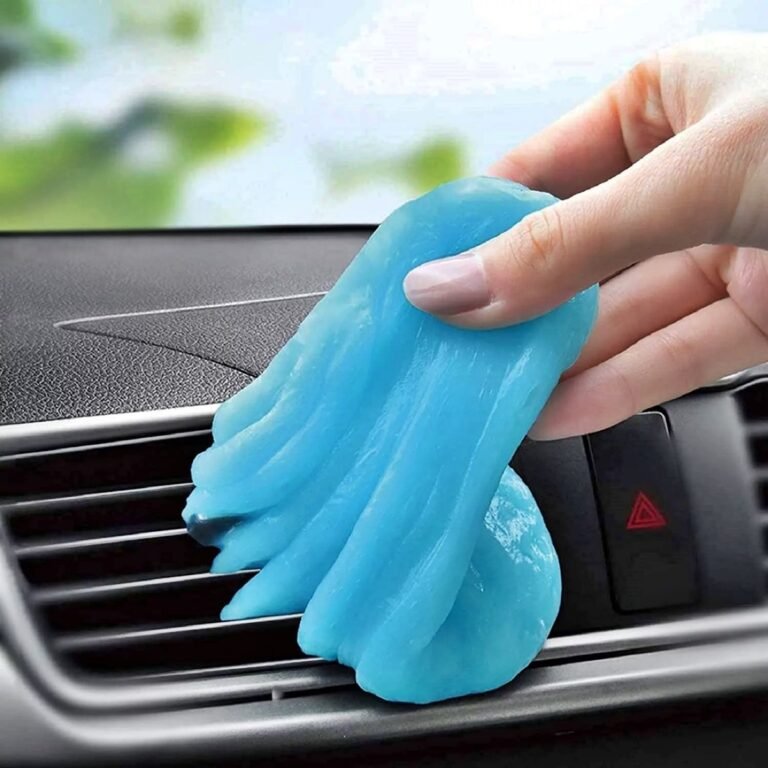
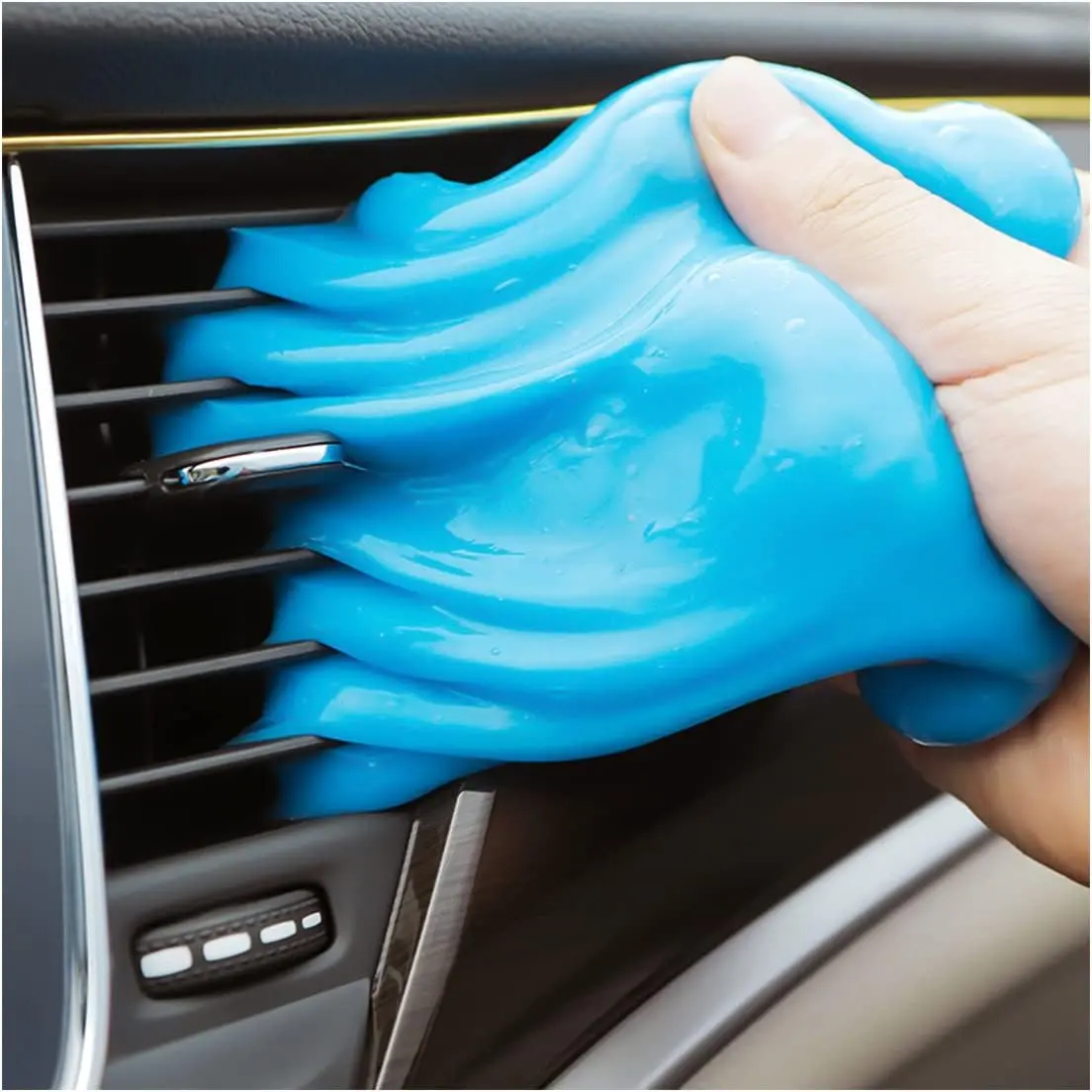
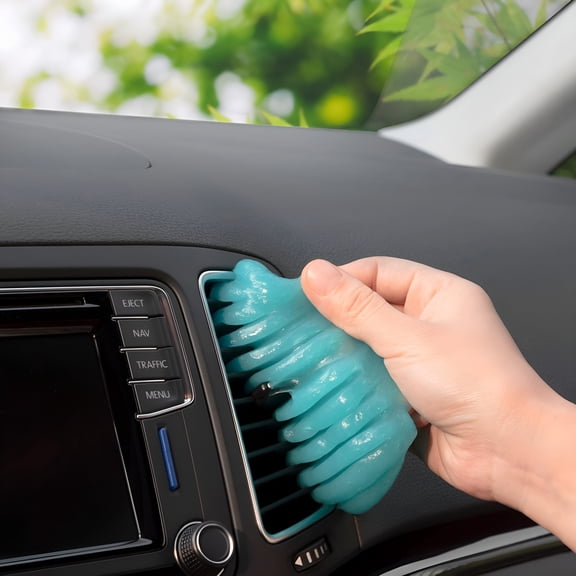
Car cleaning goop is a soft cleaning gel that picks up loose dirt when you press it onto a surface and lift it away. It is useful in narrow areas where a cloth or vacuum nozzle may not fit.
The gel is not magic. It does not dissolve grease or remove stains. Its main action is light adhesion: dust and crumbs stick to the goop more readily than they stick to a clean plastic surface.
A good batch should be:
- Soft enough to press into small gaps
- Firm enough to lift away in one piece
- Slightly tacky, but not wet
- Easy to pull away from plastic
- Free of loose liquid or powder
Do not confuse cleaning goop with slime made for play. Some slime recipes contain dyes, glitter, fragrance, or large amounts of activator. Those ingredients can stain or leave residue inside a vehicle.

Ingredients and Tools
You need only a few common items:
- ½ cup clear school glue made with polyvinyl acetate, or PVA
- ½ teaspoon baking soda
- 1 to 2 teaspoons contact lens solution
- A small mixing bowl
- A spoon or craft stick
- Disposable gloves, if you have sensitive skin
- An airtight container with a lid
Check the contact lens solution label. It should contain boric acid or borate as an active ingredient. Saline solution without a suitable borate ingredient may not form the gel.
Use plain ingredients when possible. Avoid food coloring, glitter, essential oils, perfume, and strong cleaners. These extras add little cleaning value and may leave marks or odors in a car.
For a small test batch, cut each amount in half. A small batch is useful if you only want enough goop for air vents and cup holders.

How to Make Car Cleaning Goop
Follow these steps slowly. Adding too much contact solution at once can make the gel rubbery and less useful.
1. Add the glue
Pour ½ cup of clear PVA school glue into the bowl. Scrape the sides so you use the full amount.
2. Mix in the baking soda
Add ½ teaspoon of baking soda. Stir until the powder disappears into the glue.
The baking soda helps change the texture of the mixture. It should not remain as dry powder at the bottom of the bowl.
3. Add the contact lens solution
Add 1 teaspoon of contact lens solution. Stir for about 30 seconds.
If the mixture remains very wet, add the rest in small amounts. Stir after each small addition. Stop when the mixture starts to pull away from the bowl.
4. Knead the mixture
remove the goop from the bowl and knead it with clean hands for two to three minutes. At first, it may feel sticky. Continued kneading helps the ingredients combine.
If you have sensitive skin, wear disposable gloves. Wash your hands after making and using the gel.
5. Check the texture
The finished goop should stretch slightly and hold together. Press one finger into it. It should feel tacky, but it should not leave a wet film or transfer large amounts of residue.
If the goop passes this test, place it in an airtight container.

How to Use Cleaning Goop in Your Car
Start with a cool, dry interior. Remove large crumbs and loose dirt with a vacuum or soft brush first. The goop works best as a final pickup tool for small particles.
Use it this way:
- Tear off a small piece.
- Press it lightly onto a hard, textured area.
- Lift it straight up.
- Fold the dirty part into the center.
- Repeat until the surface looks clean.
- Throw away the goop when it becomes dark, greasy, wet, or crumbly.
Good places to use it include:
- Plastic cup holders
- Sealed dashboard trim
- Door-handle recesses
- Hard plastic storage bins
- Shallow air-vent openings
- Seams around plastic console panels
- Gaps around non-electronic trim
Do not rub the gel across the surface. Rubbing can spread dirt and increase the chance of residue.
Never push the goop deep into an air vent, USB port, switch, button, seat belt buckle, speaker grille, or other opening. If a piece breaks off, remove it with tweezers or a clean, dry cloth. Do not use a metal tool near electrical contacts.
Surfaces to Avoid
Homemade car cleaning goop is safest on smooth, sealed plastic. It may cause problems on surfaces that absorb liquid, have a soft coating, or contain small openings.
Avoid using it on:
- Cloth seats
- Carpet and floor mats
- Suede or microsuede
- Unsealed leather
- Alcantara-style trim
- Wood veneer
- Painted surfaces with damaged clear coat
- Soft-touch dashboards
- Touchscreens
- Speaker mesh
- Seat belt webbing
- Exposed electronics
- Areas with peeling or cracked trim
Many modern dashboards use soft-touch coatings. These coatings can become tacky, peel, or change texture with age. A cleaning gel may pull at a weak coating or leave a film.
Before wider use, test the goop on a hidden section. Press it down briefly, lift it, and inspect the area in good light. Wait a few minutes to check for a dull mark, sticky film, color change, or surface damage.

Troubleshooting the Recipe
Small changes can fix most texture problems.
| Problem | Likely cause | What to do |
|---|---|---|
| The goop is too sticky | Not enough activator or too little kneading | Knead it longer, then add a few drops of contact solution |
| The goop is hard or rubbery | Too much contact solution | Knead in a very small amount of glue |
| The mixture will not come together | The solution may lack borate, or the amounts are off | Check the label and add contact solution a few drops at a time |
| The gel leaves a wet film | Too much liquid or use on a warm surface | Stop using it, wipe the area with a lightly damp microfiber cloth, then dry it |
| The gel breaks apart | It is over-activated or has dried out | Add a small amount of glue and knead it |
| The goop smells bad | Moisture, dirt, or spoilage | Discard it and make a fresh batch |
| It leaves white marks | Excess baking soda or residue | Wipe with a clean, damp microfiber towel and dry the surface |
Do not keep adding ingredients without testing the texture. A batch that feels only slightly too soft may become hard and brittle after one extra splash of contact solution.
Discard the mixture if it becomes oily, moldy, strongly scented, or difficult to remove from a test surface.

How to Store and Dispose of It
Store the goop in a sealed plastic container at room temperature. Keep it away from direct sunlight, heaters, children, and pets.
There is no reliable universal shelf life for homemade cleaning goop. Its usable life depends on moisture, handling, storage, and the cleanliness of the container. Inspect it before each use.
Throw it away when it:
- Develops an unusual odor
- Changes color
- Becomes watery
- Grows mold
- Collects heavy grease
- Loses its ability to hold together
- Leaves residue after a small test
Do not pour it into a sink or storm drain. The gel can cling to plumbing and may carry dirt with it. Place the used goop in household trash according to your local waste rules.

Safety Tips for Homemade Car Cleaning Gel
Use the smallest amount that will do the job. Keep the gel away from eyes, food, and open skin cuts. Wash your hands after handling it.
Contact lens solution can contain ingredients that irritate the skin or eyes. Read the product label and follow its safety directions. If the mixture gets into an eye, rinse with clean water and seek medical guidance if irritation continues.
Do not mix the goop with bleach, ammonia, disinfectants, glass cleaner, or other car chemicals. Mixing household products can create irritating vapors or unwanted reactions.
The gel is not a disinfectant. If you need to clean a high-touch surface, use a vehicle-safe product according to its label. First check the vehicle maker’s care guidance, especially for screens, coated trim, leather, and soft-touch materials.

Homemade Goop vs. Other Cleaning Methods
Cleaning goop is useful for small, loose particles, but it is not the best tool for every mess.
| Cleaning problem | Better first choice |
|---|---|
| Large crumbs | Vacuum with a soft brush attachment |
| Dust on a dashboard | Dry microfiber towel |
| Greasy plastic | Diluted, vehicle-safe interior cleaner |
| Spilled drink | Blot with a clean towel, then clean with a suitable product |
| Cloth-seat stain | Fabric-safe cleaner and gentle agitation |
| Dust in deep vents | Soft detailing brush or low-suction vacuum |
| Screen fingerprints | Manufacturer-approved screen method |
| Hair in carpet | Rubber brush or vacuum |
The main trade-off is convenience versus control. Goop can reach small gaps, but a brush or vacuum gives better control in deep openings. For sticky spills and grease, a cleaner designed for the surface is usually more effective.

Common Mistakes to Avoid
Using too much liquid
A wet gel can leave residue on trim. Add contact solution in drops, not large pours.
Cleaning a hot interior
Heat can make the goop softer and more likely to leave a film. Let the vehicle cool before use.
Pressing it into electronics
Small pieces can break off around switches, ports, and grilles. Use a dry brush or vacuum for these areas instead.
Using it on fabric
Fabric can hold glue residue and moisture. Use a fabric-safe cleaner instead.
Adding fragrance or food color
Fragrance can linger in a closed car. Food color can stain light trim, especially if the goop is left in place too long.
Reusing dirty goop too long
Fold the dirty surface inward as you work. Once the whole piece looks dark or greasy, discard it.
Frequently Asked Questions
Can I make car cleaning goop without contact lens solution?
Yes, but the texture may not be the same. Contact lens solution with a suitable borate ingredient helps the PVA glue form a cohesive gel. Without it, a glue-and-baking-soda mixture may stay liquid or remain very sticky.
Can I use homemade cleaning goop on a touchscreen?
It is better not to. Touchscreens have delicate coatings and edges where gel can collect. Follow the vehicle maker’s cleaning instructions and use a clean microfiber cloth made for screens.
How often can I use cleaning goop?
Use it when dust and crumbs collect in small gaps. Do not use it as the only way to clean the interior. Vacuuming and surface-appropriate cleaners remain better for larger areas, stains, and grease.
Why does my car cleaning goop leave residue?
The batch may contain too much liquid, the surface may be warm, or the goop may be too soft. Stop using it, remove the residue with a lightly damp microfiber cloth, and test a firmer batch on a hidden area.
Is homemade car cleaning goop safe for children or pets?
It should not be treated as a toy. Keep it away from children and pets because it contains household ingredients, can collect vehicle dirt, and may be harmful if swallowed. Store and dispose of it safely.
Key Takeaways
- Make car cleaning goop with clear PVA glue, baking soda, and contact lens solution with a borate ingredient.
- Add the solution slowly and knead the mixture until it is soft but not wet.
- Use it only on cool, sealed, hard surfaces.
- Avoid fabric, leather, soft-touch coatings, screens, vents, buttons, and electrical openings.
- Test a hidden area first.
- Discard the goop when it smells bad, becomes dirty, breaks apart, or leaves residue.
Conclusion
DIY car cleaning goop can help pick up dust and crumbs from small, hard-to-reach areas in a vehicle. Its best use is light cleaning on sealed plastic, not stain removal, deep cleaning, or disinfecting.
Make a small batch first. Test it on hidden trim, use gentle presses, and switch to a microfiber cloth, brush, vacuum, or surface-safe cleaner when the material or mess calls for a different tool.