How To Use Simoniz Quick Shine Detailer: Easy Car Guide
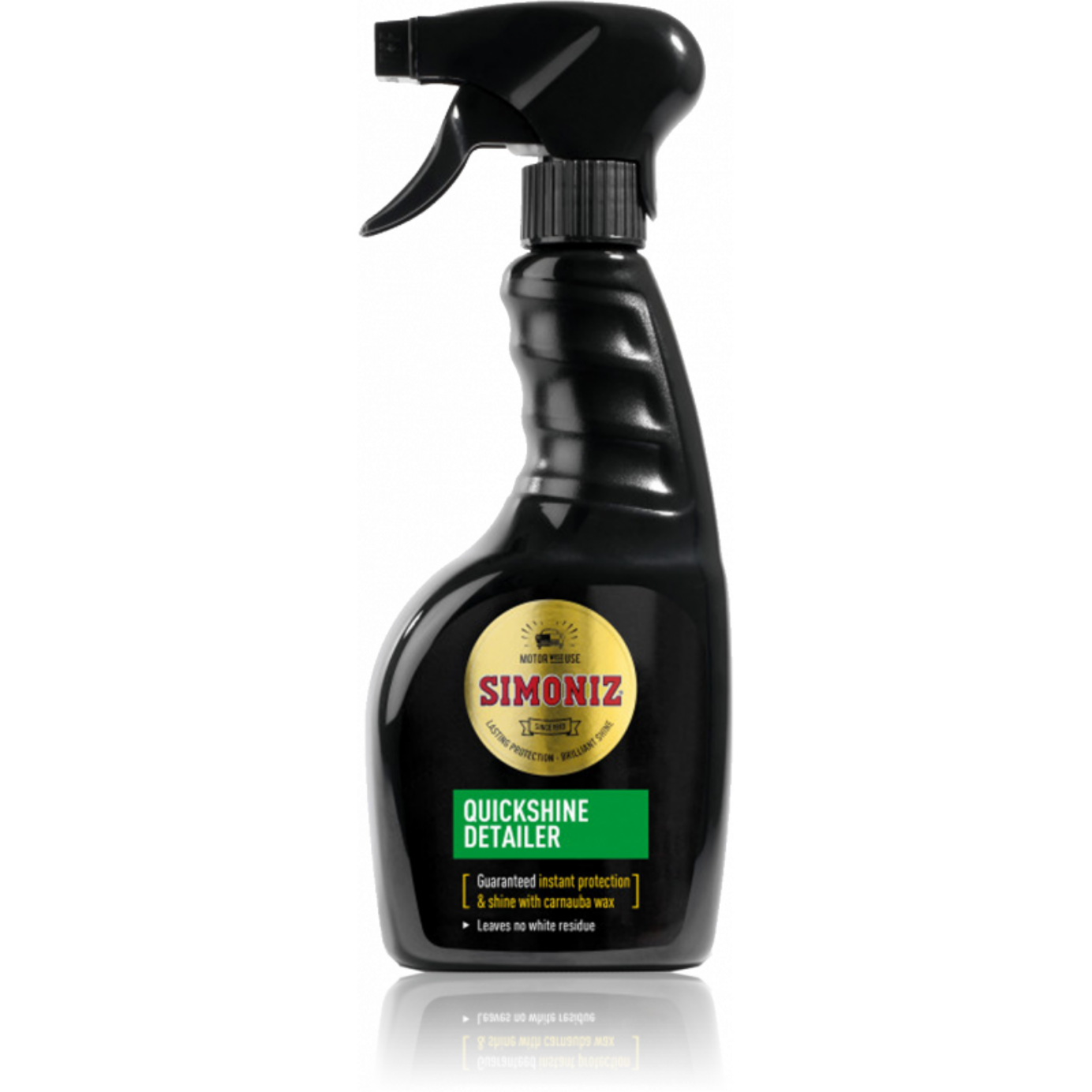
Simoniz Quick Shine Detailer is a spray car-care product made for fast cleaning and gloss between full washes. It is most useful when your vehicle has light dust, fingerprints, water marks, or fresh road film. It is not a replacement for a proper wash when mud, sand, salt, or heavy grit covers the paint.
The safest way to use Simoniz Quick Shine Detailer is to work on a cool surface, use plenty of clean microfiber towels, and clean one small area at a time. Spray the product onto the towel or paint as directed on the label, wipe gently, then buff with a dry towel. This method suits new drivers, busy families, DIY detailers, and gift buyers who want a simple car-care item.
Quick answer: how to use Simoniz Quick Shine Detailer
Simoniz Quick Shine Detailer works best on a cool, lightly dirty vehicle after loose dust has been removed. Shake the bottle if the label instructs you to do so, spray a small amount onto a clean microfiber towel or panel, wipe in straight lines, and buff with a second dry towel. Do not use it on heavy mud, sand, greasy grime, or a hot panel.
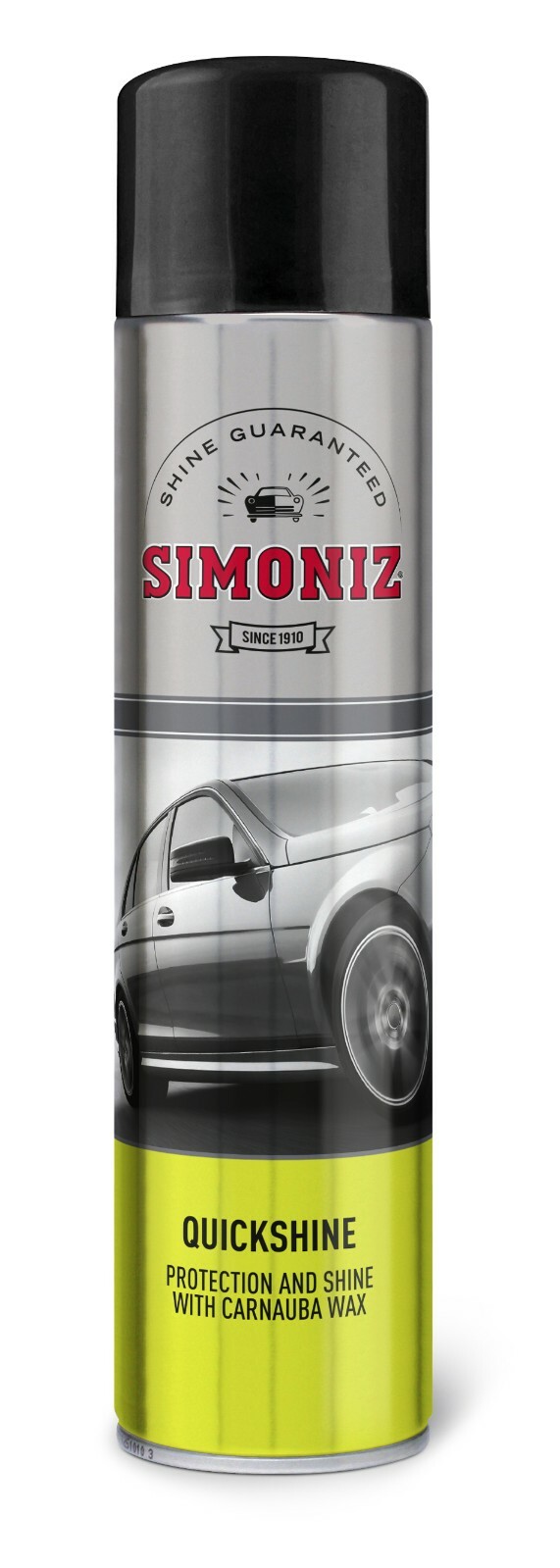
Use it on painted body panels, trim, and other surfaces only when the product label allows it. Test first on a hidden area. Avoid glass, screens, steering wheels, pedals, brake parts, tires, and motorcycle controls unless the label clearly lists them as safe.
The product can add gloss and help lift light surface dust. It cannot repair scratches, remove deep stains, replace car wax, or protect paint like a ceramic coating. Think of it as a quick touch-up tool, not a complete detailing system.
What Simoniz Quick Shine Detailer is designed to do
Simoniz Quick Shine Detailer is a spray cleaner and gloss enhancer for light, everyday surface dirt. The formula may contain cleaning agents, lubricants, glossing materials, or protective ingredients, depending on the exact product version and market. Always read the current bottle label and product page because Simoniz sells several quick-detailing products.

A quick detailer fills the gap between a full wash and doing nothing. For example, your sedan may look clean after a weekend wash but pick up fingerprints around the door handles by Tuesday. A spray detailer can help tidy those small areas without setting up a pressure washer, bucket, wash mitt, and drying towel.
What it can remove
The product is generally suited to light contamination, such as:
- Fingerprints
- Light dust
- Fresh water spots
- Pollen
- Light road film
- Loose bird droppings when treated promptly
- Smudges from touching the paint
- Small amounts of fresh grime
Bird droppings should be removed as soon as possible. They can etch clear coat, especially in hot sun. Soften the spot first with product and a damp microfiber towel. Do not scrub a dry dropping because grit and dried material can scratch the finish.

What it cannot safely remove
A quick detailer is not made for thick mud, winter salt, heavy brake dust, tar, tree sap, or caked-on sand. These materials need a full wash or a special cleaner. Rubbing them with a towel can drag hard particles across the clear coat.
It also will not fix oxidation, peeling clear coat, deep scratches, rust, or paint failure. If your paint feels rough after washing, you may need a clay treatment or professional paint correction. Use these methods only after learning the correct process.

The table below shows where a quick detailer fits in a normal car-care plan.
| Surface condition | Use Simoniz Quick Shine Detailer? | Better choice |
|---|---|---|
| Light dust on a cool panel | Yes, with clean towels | Quick detailer |
| Fresh fingerprints | Yes | Quick detailer |
| Thick mud | No | Rinse and wash |
| Heavy road salt | Usually no | Full wash |
| Deep scratches | No | Paint repair or professional correction |
| Greasy engine parts | No | Approved degreaser |
| Brake dust on wheels | Usually no | Wheel cleaner and wash |
| Wet paint after a wash | Check the label | Drying aid or detailer |
The key point is simple: the dirtier the vehicle, the more water and cleaning power you need. Using a detailer on heavy grit raises the chance of marring.
What you need before using it
The best results come from good towels and a controlled work area. Simoniz Quick Shine Detailer is easy to use, but the towel matters as much as the bottle. A dirty or rough towel can leave lint, streaks, or fine scratches.

Gather the items below before you begin.
| Item | Recommended choice | Why it matters |
|---|---|---|
| Detailer | Simoniz Quick Shine Detailer | Main cleaning and gloss product |
| Wiping towel | Clean, soft microfiber | Lifts light dirt |
| Buffing towel | Separate dry microfiber | Removes haze and streaks |
| Inspection light | Phone light or garage light | Shows missed residue |
| Gloves | Nitrile gloves | Protects hands from chemicals |
| Waste bag | Small sealable bag | Holds dirty towels |
Use at least two microfiber towels. Use one for the first wipe and one for the final buff. For a dusty SUV or truck, four or more towels may be safer because large vehicles spread dirt over a wider area.
Choosing the right microfiber towel
A microfiber towel has very fine synthetic fibers that pick up dirt and product. A short-pile towel often gives good control for the first wipe. A plush towel can work well for the final buff, but it must be clean and free of trapped grit.
Do not use old bath towels, paper towels, rough shop rags, or a towel that fell on the driveway. Wash microfiber separately from cotton items. Avoid fabric softener because it can reduce absorbency and leave residue.

Fold each towel into quarters. This gives you several clean sides. Turn to a fresh side when the towel becomes damp or visibly dirty.
Checking the bottle and label
Before spraying, read the instructions on your bottle. Product directions can change by region and formula. Check whether Simoniz allows use on clear coat, glossy trim, matte paint, wraps, glass, chrome, or plastic.
Look for warnings about temperature, ventilation, storage, and surfaces to avoid. If the label says not to use the product on a certain material, follow that instruction even if another online guide says otherwise.

💡 Pro Tip: Keep a small towel set in a clean box, not loose in the trunk. A microfiber towel that shares space with tools, sand, or a roadside kit can become a scratch risk.
Prepare the vehicle and work area
The best way to prevent scratches is to remove loose grit before wiping. Park in shade, let the panels cool, and make sure the vehicle is away from wind and blowing dust. A garage or covered driveway is ideal.

Do not apply the product to a hot hood, roof, or door. Heat can make the spray dry too quickly and leave streaks. It can also make you use more pressure than needed.
Inspect the paint first
Walk around the vehicle. Look for mud, sand, salt, tar, thick bird droppings, and sticky tree sap. Mark the worst areas in your mind and plan to wash them rather than wipe them with a quick detailer.
Check the paint under good light. Older cars may have weak clear coat, faded paint, or exposed primer. A spray detailer cannot restore failed paint. Be gentle around chipped edges and peeling clear coat.

Rinse or wash when the car is dirty
If the vehicle has more than a light layer of dust, rinse it first. For a normal wash, use a pH-balanced car shampoo, a clean wash mitt, and a separate wheel bucket. Dry the vehicle with a clean drying towel before using the detailer, unless the product label permits use as a drying aid.
Pressure washers can help remove loose sand, but they do not replace safe hand washing. Keep the nozzle at a sensible distance and avoid forcing water into door seals, damaged trim, or electrical connectors.

Make the surface safe for a quick wipe
A good surface for Simoniz Quick Shine Detailer should feel mostly clean and look free of thick grit. If you rub a fingertip over visible dirt and feel rough particles, stop and wash the panel.
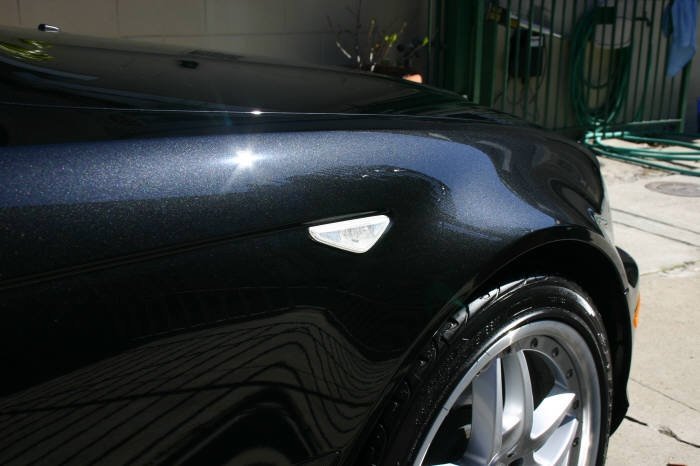
Use extra care on black paint. Dark colors show dust, streaks, and fine marks more clearly than silver or white paint. That does not mean the product is unsuitable for black cars. It means towel choice and lighting matter more.
Step-by-step: how to use Simoniz Quick Shine Detailer
The best technique is slow, light, and controlled. Work in small sections instead of spraying the whole vehicle at once. A door, fender, or half of a hood is a practical starting area.
1. Park in shade and cool the paint
Place the car in shade or inside a garage. Open the doors briefly if the cabin is hot, but keep the product out of direct sun. The paint should feel cool or close to outdoor temperature.

Hot paint causes fast evaporation. That can lead to a hazy film, uneven gloss, and extra wiping. If the sun moves onto the panel, stop and move the vehicle or wait for shade.
2. Remove loose dirt
If the car is dusty, use a gentle rinse or wash first. Do not dry-wipe a panel covered in sand. For a lightly dusty vehicle, follow the label directions and use a clean towel with very little pressure.
Loose dust is still abrasive. Even fine particles can create tiny marks when pushed across clear coat. A clean surface is the foundation of safe quick detailing.

3. Shake the bottle if instructed
Some spray detailers need mixing before use. Shake Simoniz Quick Shine Detailer only as the label directs. Check the spray nozzle and make sure it produces an even mist rather than a large wet stream.
If the nozzle drips, wipe it clean. A blocked nozzle can place too much product in one spot. Too much product often creates streaks and wastes spray.
4. Test a hidden area
Choose a small area behind a door edge or low on a panel. Apply a small amount and wipe it with a clean microfiber towel. Check for color transfer, clouding, streaks, or a change in texture.
Stop if the surface reacts badly. This step is especially important for repainted cars, matte finishes, vinyl wraps, decals, older plastics, and custom coatings.
5. Spray a small amount
Spray the product onto the towel or onto a small section, based on the bottle instructions. Many users prefer spraying onto the towel near trim, windows, and narrow gaps. This gives better control and reduces overspray.
Do not soak the panel. A light, even amount is usually easier to spread than a heavy wet layer. Keep the bottle upright and avoid spraying near open windows, convertible tops, or electronics.
6. Wipe in straight lines
Use light pressure and straight passes. Work from the cleanest area toward the dirtier edge. Turn the towel often so you do not keep dragging the same dirt across the paint.
Do not press hard to remove a mark. Pressure does not make a detailer safer. If a spot does not lift easily, add product and let it dwell briefly if the label allows it. If it still remains, wash the area or use a product made for that contamination.
7. Buff with a second towel
Take a dry microfiber towel and lightly buff the section. Use long, gentle strokes. The goal is to remove leftover film, not polish the paint by force.
Check the panel from two angles. Some streaks appear only when light hits the surface. Change to a clean towel side when the current side becomes damp or dirty.
8. Continue one section at a time
Move across the car in a planned pattern. You might start with the roof, then the hood, upper doors, lower doors, and rear panels. Save the dirtiest areas for washing, not for the final towel.
Avoid placing used towels on the ground, tire, or engine bay. Keep clean and dirty towels in separate piles. This small habit prevents many avoidable scratches.
9. Inspect trim and gaps
Look around badges, door handles, mirrors, and panel seams. Product can collect in narrow gaps and dry as white or dark residue. Use a clean corner of a microfiber towel to remove it.
Do not force a towel into delicate trim. Some old plastic parts are brittle. If a badge is loose or a seal is damaged, repair it before aggressive cleaning.
10. Store the product correctly
Close the cap or nozzle after use. Store the bottle in a cool place away from children, pets, flames, and direct heat. Do not leave chemicals in a hot vehicle for long periods unless the label allows that storage condition.
Keep the product in its original container. Never pour it into an unmarked bottle. That creates a risk for children, other drivers, and anyone who later uses the vehicle.
Where it works best by vehicle type
Simoniz Quick Shine Detailer can suit many vehicles, but the best method changes with size, finish, and use. A small hatchback is easy to section. A tall truck may need a step platform and more towels.
| Vehicle or finish | Good use case | Main caution |
|---|---|---|
| Sedan | Fingerprints and light dust | Avoid wiping gritty lower panels |
| Hatchback | Fast post-wash gloss | Watch the rear hatch for road film |
| SUV | Small-area touch-ups | Use a safe step, not the tire |
| Pickup truck | Upper panels after a wash | Bed sides may hold heavy grit |
| Older vehicle | Gentle spot cleaning | Test faded or weak paint |
| Black paint | Gloss and light marks | Streaks show more clearly |
| Matte finish | Only if the label allows it | Many gloss products can alter appearance |
| Vinyl wrap | Only after a surface test | Follow wrap maker guidance |
| EV or hybrid | Exterior paint care | Keep spray away from charging ports |
The product is often a practical choice for a clean daily driver. It is less suitable for a work truck after a muddy job, a vehicle covered in winter salt, or a car with loose abrasive dust from an unpaved road.
Using it on SUVs and trucks
Large vehicles need a plan. Work in small areas and use a safe step stool designed for vehicle access. Never climb on the hood, roof, bumper, or tire. A fall can cause serious injury and damage the vehicle.
Pickup trucks often collect dust on tailgates, bed rails, and lower doors. Inspect those areas before wiping. If the towel turns brown or gray at once, stop and wash the panel.
Using it on EVs and hybrids
The painted body of an EV or hybrid can usually be treated like other painted vehicles when the product label permits it. Keep spray out of the charge port, charging connector, high-voltage service areas, and cabin electronics.
Do not confuse exterior detailing with electrical service. You should not remove EV panels or work near orange high-voltage cables to use a detailer. For electrical warnings, follow the owner’s manual and use a qualified technician.
Using it on older and repainted cars
Older paint may be thin, oxidized, or poorly bonded. Repainted panels may have a different finish from the factory paint. Use a hidden-area test and very light pressure.
If the towel shows strong paint color, stop. Some single-stage finishes can transfer color during cleaning. This does not always mean damage, but it signals that the surface needs a more careful method.
Simoniz Quick Shine Detailer compared with other car-care products
The main difference between a quick detailer and a car wash is the amount of dirt each can safely handle. A wash uses more water and lubrication to carry grit away. A detail spray is faster but has a narrower safe-use range.
| Product | Best for | Limitation |
|---|---|---|
| Quick detailer | Light dust and fingerprints | Not for heavy grit |
| Car shampoo | Full exterior wash | Takes more time and water |
| Spray wax | Light protection and gloss | Needs a clean surface |
| Paste or liquid wax | Longer hand-applied protection | More labor |
| Ceramic coating | Durable surface protection | Needs careful prep and maintenance |
| Waterless wash | Light to moderate dirt with proper towels | Needs more towel control |
| Glass cleaner | Exterior and interior glass | Not a paint cleaner |
A quick detailer may be used after a wash to improve the final look, if the label supports that use. A spray wax may leave more protection, but it still cannot replace proper paint preparation.
Quick detailer versus car wax
A wax is designed mainly to leave a protective layer. A quick detailer is designed mainly for light cleaning and fast finishing. Some detailers include gloss or short-term protection, but do not assume they provide the same durability as a wax.
If you want a longer protection cycle, use a compatible wax or sealant after cleaning. Follow the product directions and allow the surface to cure when required.
Quick detailer versus ceramic coating
A ceramic coating is a bonded paint-protection product that requires careful preparation. It can last much longer than a quick detailer, but application is less forgiving. A detailer is easier for beginners and safer for routine touch-ups.
Do not apply a coating over dust, oils, or grime. Poor preparation can trap defects under the coating. For a daily driver, a quick detailer plus regular washing may be a sensible low-cost plan.
Quick detailer versus waterless wash
A waterless wash uses a cleaning solution and multiple microfiber towels to clean a vehicle with little or no hose water. It can work when water access is limited, but it requires strict towel control and enough product.
Simoniz Quick Shine Detailer may be suitable for even lighter cleaning, depending on the label. If the vehicle has visible grit, a waterless wash or normal wash is usually the safer choice.
Pros and cons of Simoniz Quick Shine Detailer
A quick detailer is valuable because it saves time, but its limits matter. The following summary helps beginners and gift buyers set realistic expectations.
| Pros | Cons |
|---|---|
| Fast to apply | Not safe for heavy dirt |
| Easy for new drivers | Can streak on hot paint |
| Useful for fingerprints | Needs clean microfiber towels |
| Helps improve gloss | Does not repair scratches |
| Takes little storage space | May not suit matte finishes |
| Useful after a wash | Results depend on surface prep |
| Affordable car-care gift idea | Formula and directions can vary |
For a parent buying a first car-care kit, pair the detailer with microfiber towels and a basic wash soap. For an experienced DIYer, it may be a useful maintenance spray, but not a substitute for a full paint-care system.
Common mistakes that cause streaks or scratches
Most poor results come from technique, not from the bottle. Too much spray, too much pressure, a hot panel, or a dirty towel can make a simple job harder.
Spraying too much product
A wet panel may look easier to clean, but excess product can smear. Use a small amount and add more only when needed. A thin, even film is easier to buff.
Using one towel for the whole car
The first panels may look good, while later panels spread dirt from the lower doors and wheels. Use separate towels for cleaner upper panels and dirtier lower areas.
Wiping a muddy or sandy vehicle
This is one of the biggest risks. A detailer is not a magic shield against abrasive grit. Rinse and wash first.
Applying it in direct sun
Sunlight heats paint and dries product before you can level it. Work in shade or split the job into very small areas.
Using household cleaners
Kitchen sprays, glass cleaners, disinfectants, and strong solvents may damage trim, wax, paint, or coatings. Use products made for automotive surfaces.
Wiping tires, pedals, or steering wheels
Glossy residue can make rubber surfaces slippery. Do not use a detailer on pedals, steering wheels, motorcycle grips, brake rotors, or tire tread.
Ignoring product buildup in seams
Residue around badges and seals can dry and attract dust. Inspect these areas before finishing. A clean towel corner usually removes fresh residue.
⚠️ Safety Warning: Keep spray away from brake rotors, pads, tires, pedals, steering wheels, and driver controls. A slippery surface can reduce control. If product reaches a brake rotor or pad, do not drive until the area is properly cleaned and checked.
Climate and seasonal advice
Weather changes how a quick detailer behaves. Heat speeds drying. Cold can make the product harder to spread. Wind carries dust onto freshly cleaned paint.
| Climate or season | Main problem | Better approach |
|---|---|---|
| Hot summer | Product dries too fast | Work in shade and small sections |
| Winter | Salt and grit build up | Wash before detailing |
| Wet season | Water spots and road film | Dry panels before use |
| Dry, windy weather | Dust lands on paint | Use a covered area |
| High humidity | Slow drying and haze | Use less product and buff well |
| Coastal air | Salt residue | Rinse often and inspect seams |
In winter, do not use a detailer to hide road salt. Salt can reach seams, brake parts, and underbody areas. A proper rinse and wash are better.
In dry areas, dust may return within minutes. That is normal. The goal is a clean surface at the time of use, not a dust-proof car.
How often should you use it?
Use Simoniz Quick Shine Detailer when the vehicle has light surface contamination and needs a quick refresh. There is no fixed schedule that suits every car. A garage-kept sedan may need it once a week, while a truck used on dirt roads may need a wash instead.
A safe routine looks like this:
- Wash the car when it is visibly dirty.
- Use the detailer for light dust or fingerprints between washes.
- Clean bird droppings as soon as possible.
- Check towels after each panel.
- Stop if the towel picks up heavy grime.
- Apply wax or sealant on its own schedule.
Frequent wiping is not always better. Every contact with the paint carries some risk if grit is present. Let the vehicle’s condition guide your choice.
Is Simoniz Quick Shine Detailer worth it?
Simoniz Quick Shine Detailer can be worth the money for drivers who want fast, simple upkeep on a mostly clean car. It is a practical fit for beginners, parents, gift buyers, and commuters who need a quick way to remove fingerprints or light dust.
It may not be worth buying if you expect it to clean mud, remove scratches, replace wax, or protect paint for months. A basic car shampoo and good wash mitt may offer better value for a neglected vehicle.
For experienced detailers, the value depends on the exact formula, towel quality, and finish goals. Compare the current product label with a spray wax, rinseless wash, or ceramic detail spray before buying.
Best fit by driver
The product suits:
- New drivers learning basic car care
- Parents building a simple teen-driver kit
- Gift buyers seeking a low-risk car accessory
- Commuters with clean daily drivers
- Owners of sedans, hatchbacks, SUVs, and trucks
- DIY detailers who need a between-wash product
It may not suit:
- Owners of matte paint without label approval
- Vehicles covered in mud or loose sand
- Cars with failing or peeling clear coat
- Drivers seeking long-term coating protection
- Anyone unwilling to use clean microfiber towels
👪 Parent or Gift-Buyer Note: A useful starter gift includes Simoniz Quick Shine Detailer, several labeled microfiber towels, car shampoo, a tire pressure gauge, and a small trash bag. Avoid giving a teen strong solvents or tools that require work under the vehicle.
A simple car-care kit built around the detailer
The detailer works better as part of a small kit. You do not need every detailing tool sold online. Start with items that reduce dirt, improve visibility, and support safe routine care.
| Kit item | Why it helps | Beginner value |
|---|---|---|
| Microfiber towels | Safe wiping and buffing | Essential |
| Car shampoo | Removes heavier dirt | Essential |
| Wash mitt | Holds cleaning solution | Useful |
| Tire pressure gauge | Checks tire pressure | Safety item |
| Glass cleaner | Improves window clarity | Useful |
| Soft brush | Cleans badges and seams | Optional |
| Sunshade | Limits cabin heat | Useful |
| Phone mount | Supports safer navigation | Check local rules |
A quick detailer should not replace safety items. Drivers also need working wiper blades, correct tire pressure, a charged phone, and a roadside kit. A jump starter, tire inflator, and flashlight can be more valuable during a breakdown than extra gloss.
What the product does not replace
Do not use a detailer instead of:
- A tire pressure gauge
- Correct tire inflation
- A brake inspection
- New wiper blades
- A working spare tire or tire repair plan
- A roadside emergency kit
- A child car seat that fits the child
- A mechanic for warning lights or safety faults
Cosmetic care matters, but it comes after safe tires, brakes, lights, and visibility. A clean car still needs proper maintenance.
Safety, storage, and environmental care
Read the safety label before use. Use the product in fresh air, avoid eye contact, and wash your hands after detailing. Wear gloves if your skin is sensitive or the label recommends them.
Keep the product away from children and pets. Do not mix it with bleach, ammonia, degreasers, or other cleaners. Chemical mixtures can create harmful fumes or damage the vehicle.
Dispose of empty packaging according to local rules. Do not pour leftover car-care chemicals into a storm drain, onto soil, or into a sink unless local guidance says it is safe. Contact your local household hazardous-waste program when needed.
🌿 Eco or Disposal Note: Wash microfiber towels in a machine and reuse them. Keep chemical containers closed during transport. Never dump detailing fluid into a street drain, creek, or parking-lot gutter.
When to use a professional detailer
A professional detailer can help when the problem goes beyond light cleaning. Consider professional help for severe paint oxidation, deep scratches, overspray, tree sap, tar, mold, smoke odor, or a neglected interior.
A pro may also be the better choice for ceramic coating preparation, paint correction, wet sanding, or delicate matte finishes. These jobs need skill, lighting, tools, and controlled products.
If your vehicle has peeling clear coat, rust, a damaged wrap, or fresh bodywork, ask a body shop or finish specialist before applying new chemicals. A quick detailer may be harmless on one panel and unsuitable on another.
Frequently asked questions
Q: Can I use Simoniz Quick Shine Detailer on a dirty car?
A: Use it only for light dirt unless the bottle specifically supports heavier cleaning. Do not use it on mud, sand, thick salt, or caked-on grime. Wash or rinse the vehicle first.
Q: Do I spray Simoniz Quick Shine Detailer on the car or towel?
A: Follow the label. Spraying onto a microfiber towel gives extra control near windows, trim, badges, and gaps. Spraying a small panel can also work when the surface and product directions allow it.
Q: Can I use it in direct sunlight?
A: It is better to work in shade on a cool panel. Direct sun can dry the product too fast and cause streaks. If you must work outside, choose a shaded section and use less product.
Q: Can I use it on black paint?
A: Usually, a compatible detailer can be used on black paint, but black panels show streaks and fine marks more easily. Test first, use clean towels, and apply light pressure.
Q: Can I use it on matte paint?
A: Only if the product label says it is safe for matte paint. Gloss-enhancing products may change the look of a matte surface. When unsure, ask the vehicle, wrap, or paint manufacturer.
Q: Can I use it on glass?
A: Check the bottle. Some quick detailers are suitable for exterior glass, while others may leave a film. Use a glass cleaner if the label does not list glass.
Q: Can Simoniz Quick Shine Detailer remove scratches?
A: No. It may improve the look of a clean surface, but it does not repair deep scratches, chips, rust, or peeling clear coat.
Q: How many microfiber towels do I need?
A: Two is the minimum for a small, clean car. Four to eight towels are safer for an SUV or truck, especially when the vehicle has more dust or road film.
Q: How long does the finish last?
A: The visual effect depends on the product formula, weather, washing, and storage. Do not assume long-term protection unless the current label states a specific protection claim.
Q: Can I use it after a ceramic coating?
A: Only if the coating maker and detailer label allow it. Some products can leave residue or affect the coating’s behavior. Use a coating-safe maintenance spray when required.
Q: Is it safe on plastic trim?
A: Check the label and test a hidden spot. Some products work on glossy exterior trim but may streak textured black plastic or leave unwanted shine.
Q: Can I use it inside the cabin?
A: Do not assume so. Avoid steering wheels, pedals, screens, seats, and control surfaces unless the label clearly approves them. Interior products are usually a safer choice.
Q: Is it good for a work truck?
A: It can help after a wash or for light dust on clean upper panels. It is not a good shortcut for mud, sand, heavy salt, or construction debris.
Q: Should I use it before car wax?
A: Clean the paint first and follow the wax instructions. A quick detailer may leave ingredients that affect bonding, so use a panel wipe or approved prep product when the wax maker calls for one.
Final thoughts
The best way to use Simoniz Quick Shine Detailer is to treat it as a light-cleaning and finishing spray. Start with a cool, mostly clean surface. Work in small sections, use clean microfiber towels, wipe with light pressure, and buff with a separate dry towel.
It is a strong fit for beginners, busy commuters, parents, teen drivers, and gift buyers who want simple car care. It also suits experienced DIY detailers as a quick between-wash tool. It is not the right answer for heavy dirt, deep paint defects, matte finishes without approval, or long-term protection.
Check the current label for approved surfaces, directions, warnings, and storage advice. Pair the product with safe washing habits, proper tire care, working wiper blades, and a basic roadside kit. That approach keeps the car looking tidy without asking a small spray bottle to do a full detailing job.
Affiliate disclosure: This article may contain affiliate links. If you purchase through one of those links, the publisher may earn a commission at no extra cost to you. Product details, directions, availability, and current pricing can change, so check the latest Simoniz listing and the bottle label before use.